
Rethinking the Small Things That Make a Big Difference
Innovative new arm cap design shows how comfort, durability, and circularity can work together.
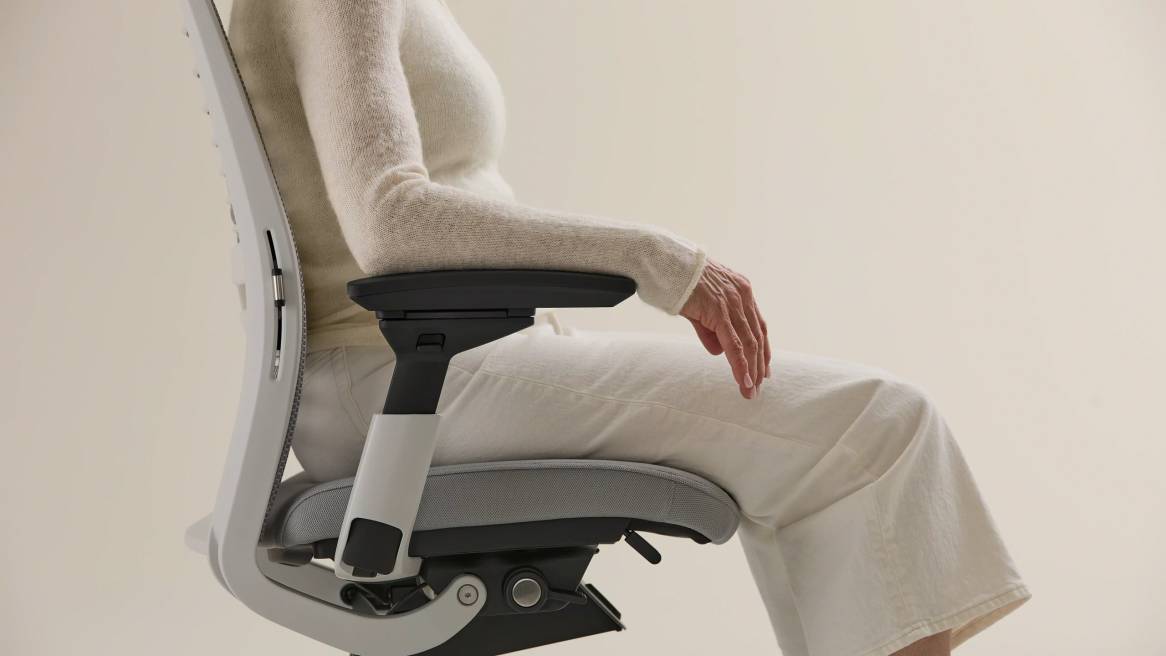
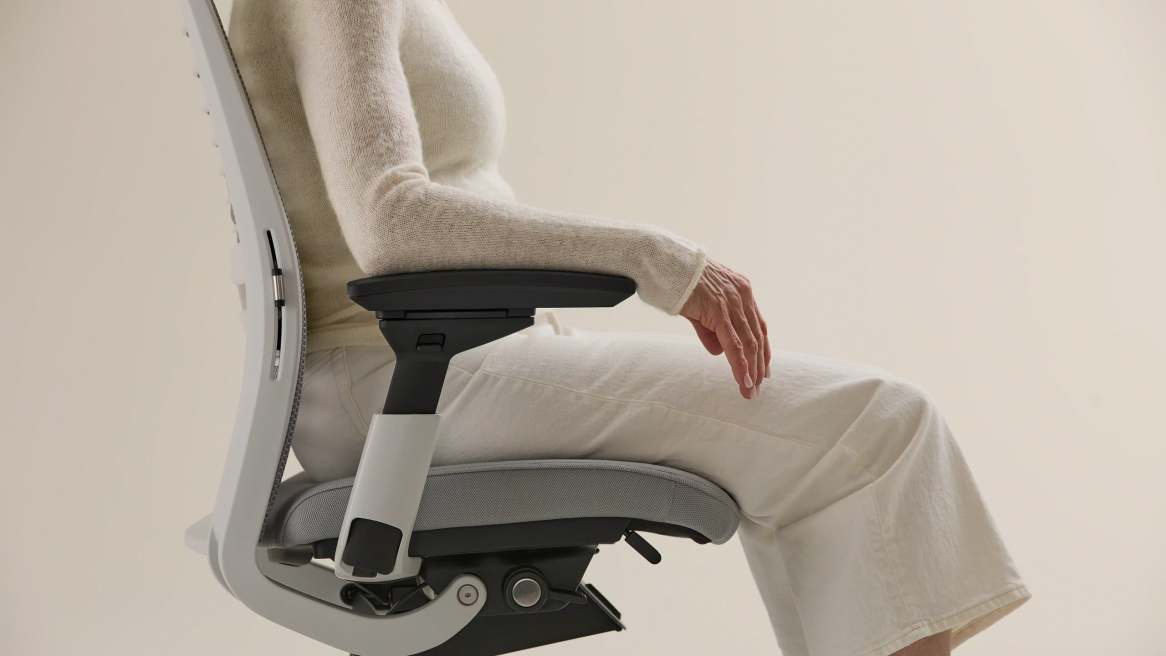
We’ve learned over time that making more sustainable products isn’t just about what comes next; it’s also about looking back. Sometimes the biggest opportunities come from revisiting parts of our chairs that people touch every day but rarely think about.
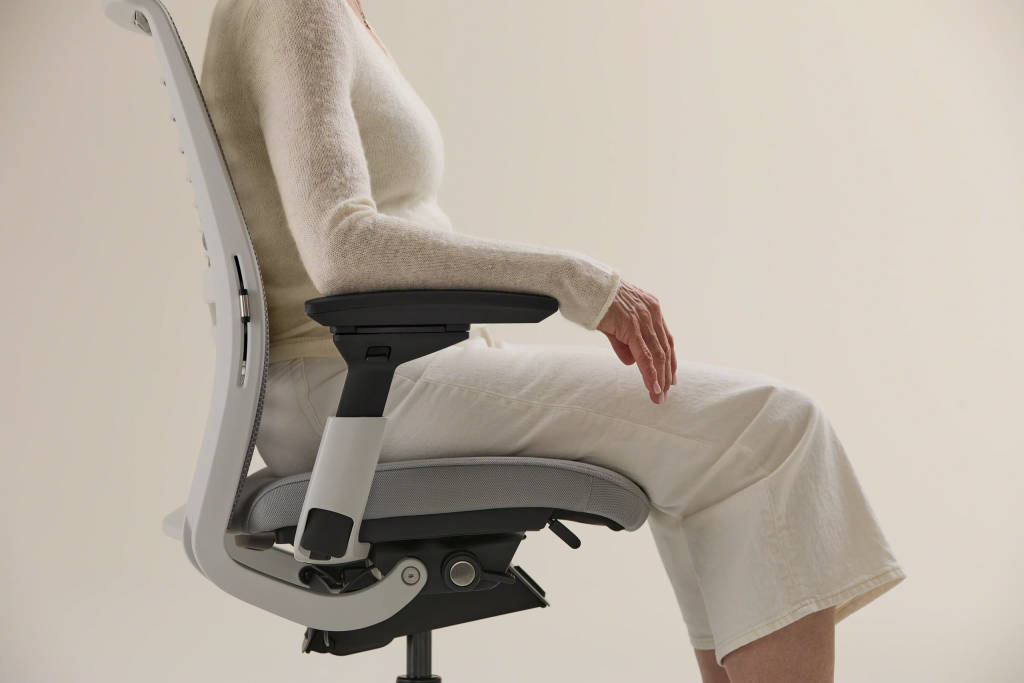
Arm caps are a perfect example. Those soft pads at the end of a chair may seem simple and straightforward, but across the office furniture industry they almost always rely on foam. Foam adds comfort, but it also needs a protective coating. That coating makes the foam nearly impossible to recycle, and the production process carries a higher carbon footprint than most people realize.
A recent partnership with Amazon accelerated ongoing efforts at Steelcase to make task chairs more sustainable, beginning with increased recycled content in select models. That momentum led to a broader review of the seating portfolio; work that ultimately doubled the recycled content in top task chairs in the Americas.
That momentum opened the door to tackle another challenge: removing single‑use arm cap foam in our task seating, without sacrificing the comfort or durability people expect from our products.
A new approach to comfort
That’s where the new arm cap with flexible fin technology comes in. This patent‑pending innovation replaces foam with flexible “fins” that compress and rebound to create the same soft, supportive feel. Early development cycles across engineering, design, and operations focused on proving that this new approach could meet the high bar of quality set by Steelcase: uncompromising comfort, exceptional durability, and easier to disassemble. The fins create plushness and “give,” offering comfort comparable to – and in some cases more plush than – traditional foam.
“As we iterated on the design, we committed to the idea that we can’t compromise.”
Justin Fochtmanager of the Steelcase task seating portfolio
“It’s one of the most personal surfaces across one of our highest-usage products. We knew it had to maintain that high standard of comfort.”
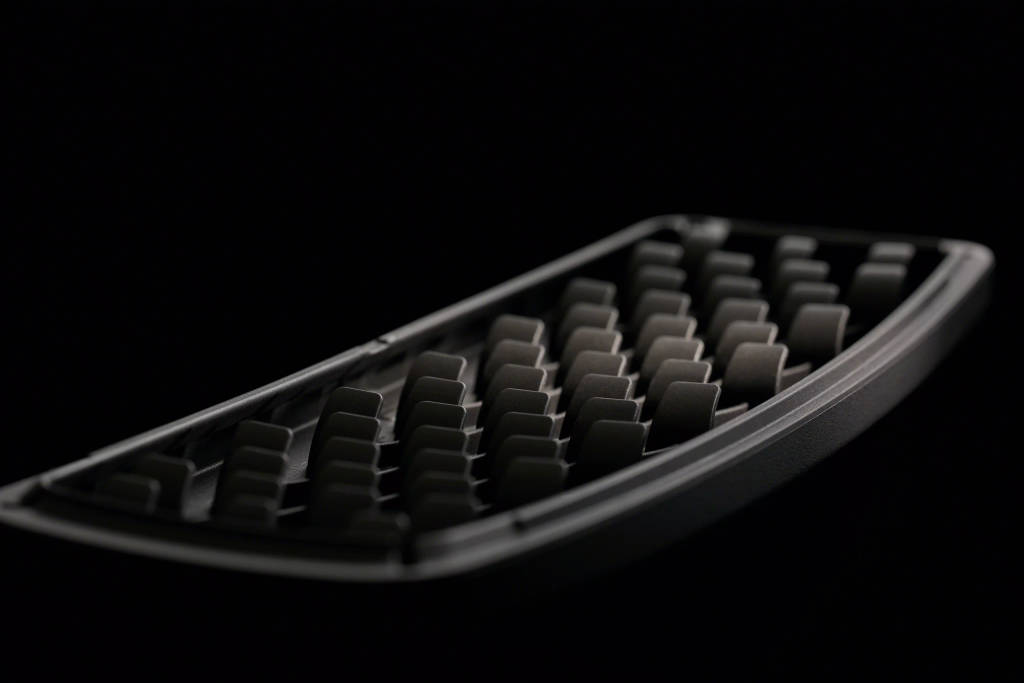
And because the arm cap is a single molded piece, there’s no foam to split, no layers to degrade, and no coating to crack over time. It lasts longer, performs better, and avoids the landfill at end of life. It is also designed to be fully disassembled and recycled back into new products.
Designed for longevity and circularity
This blend of responsible material usage and circular design ultimately helps buyers meet their own sustainability goals. Focht says supporting people and the planet go hand‑in‑hand.
“We’re designing products to serve the widest range of users while lasting as long as physically possible. The longer a chair lasts, the fewer resources are consumed in keeping it in use,” Focht says. “And ultimately, when it’s finally replaced it should enter responsible waste streams rather than a landfill. With the new flexible fin arm cap, we didn’t just remove single‑use foam; we created a new, sustainable way to deliver unwavering long‑term comfort.”
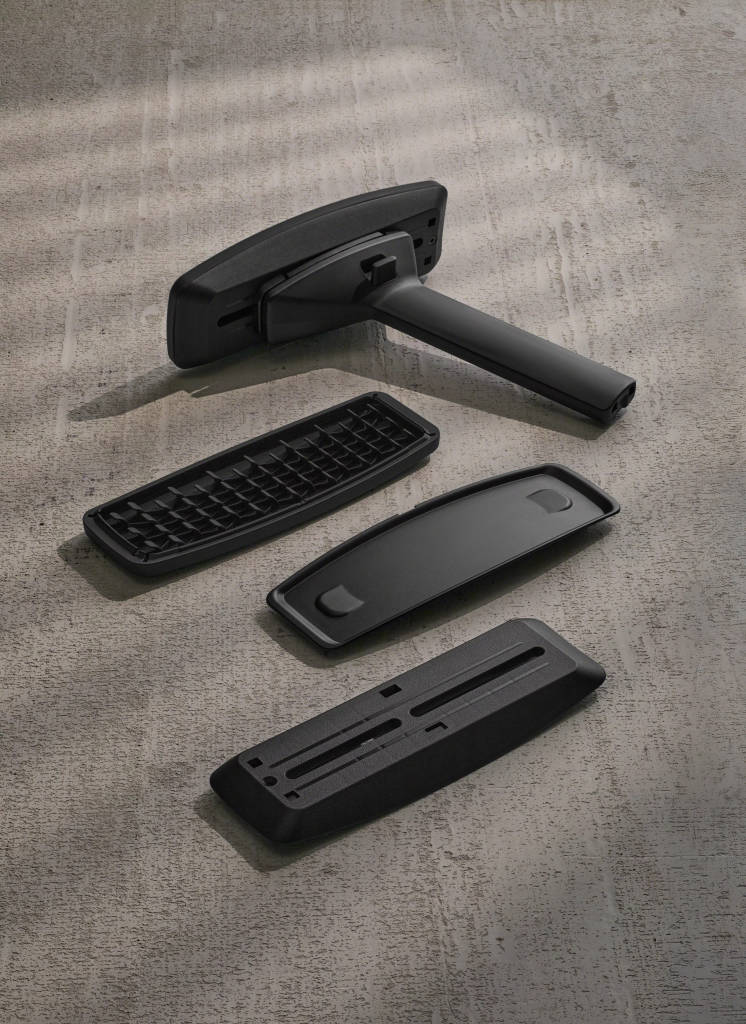
By designing for longevity and ensuring the material can be recycled, the new arm cap extends the life of our seating while reducing its impact — another step toward a more circular future. And it builds upon learnings and material innovations from doubling our task seating recycled content to our Circular by Steelcase: Remade programs, as well as collaboration with global engineering teams.
“It’s a small component, but with a meaningful shift,” Focht says.
“By continuing to lead the way towards net zero we help ensure that every chair our customers purchase goes so much further — both for their people, and the planet.”