
Creating the Link Between Learning and Innovation
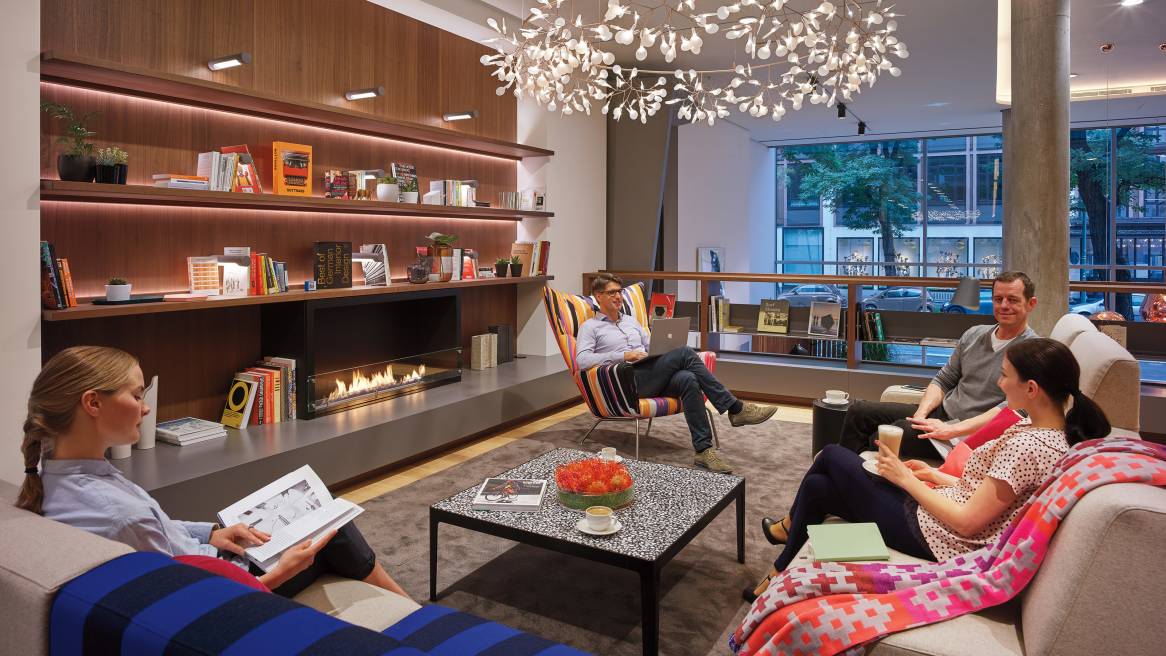
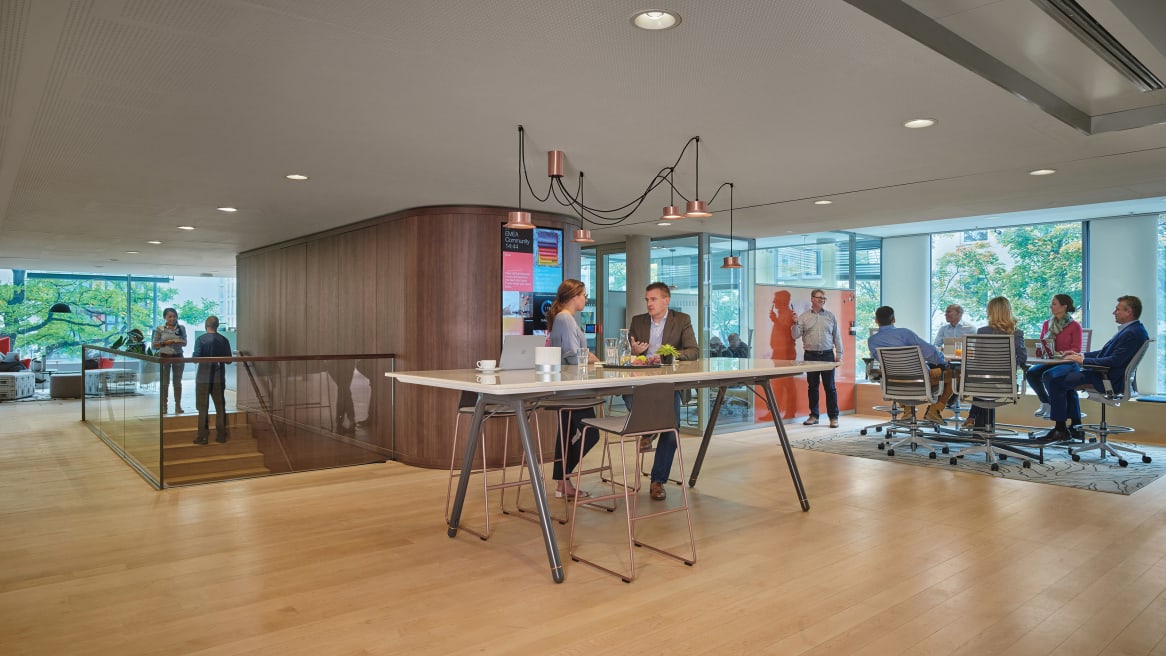
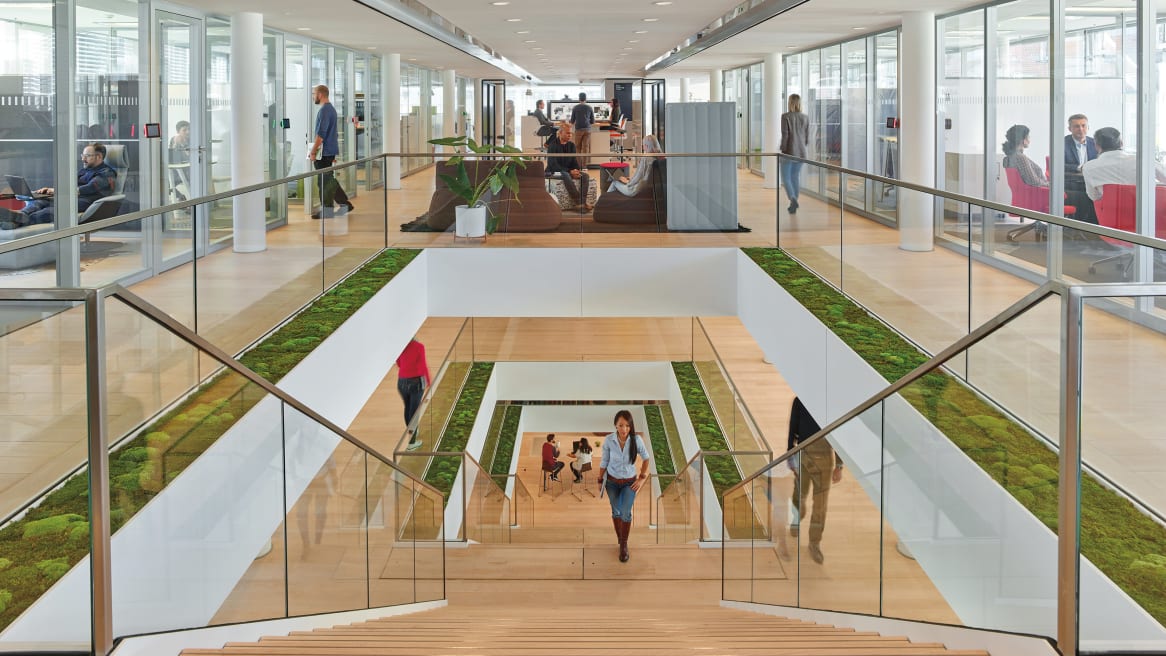
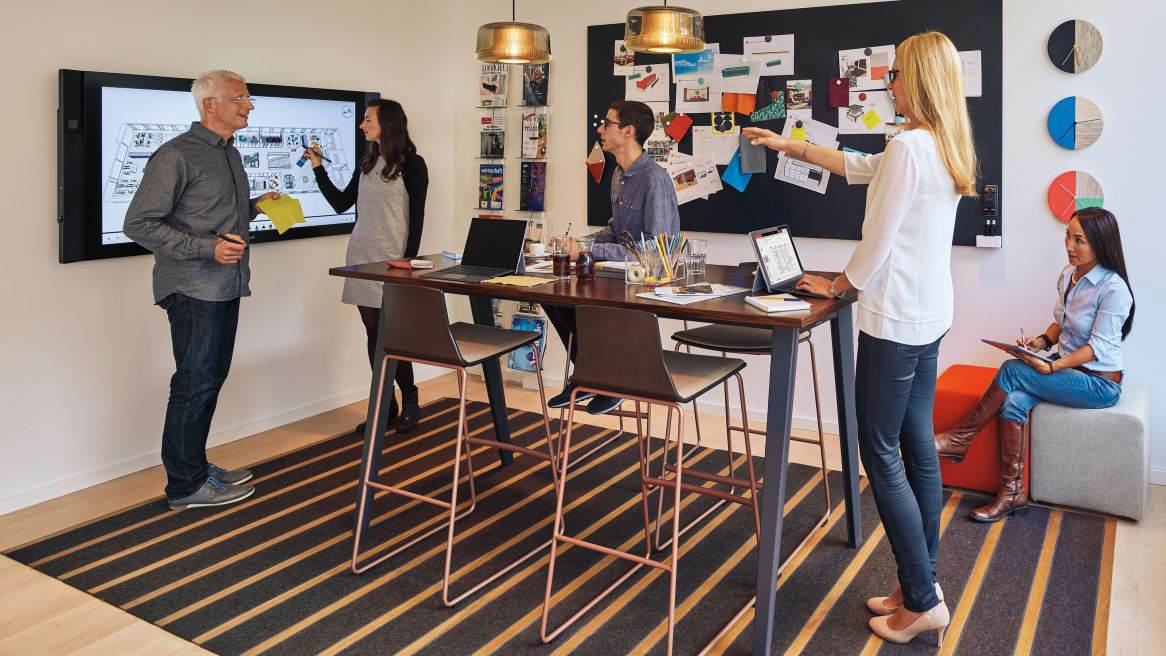
The new Steelcase Learning and Innovation Center in Munich promotes empowerment, continuous learning and experimentation

Chapters
- Introduction
- Work Streams
- Design
“We are betting that investing in innovation, learning and leadership will help us grow, because we have seen it work before.”
Jim Keaneformer President and CEO
Every CEO in every industry is talking about disruption: the sense that new digital technologies, the forces of globalization, the growth of new business models and the emergence of artificial intelligence are creating new winners and losers in every industry, and redefining entire industries. It’s clear, the key to survival is rapid innovation, and today an organization’s innovation capacity is contingent on continuous learning. Learning is a fundamental business skill and the faster an organization can facilitate the learning of its people and adapt to the unpredictable more quickly than its competitors, the more likely it is to succeed and grow.
This is the challenge the newest Steelcase Learning and Innovation Center (LINC) was designed and built to address in Munich.
This new facility operates as a node on the company’s global network, part of a geographically distributed approach to innovation that links localized innovation teams in Europe (previously split between Strasbourg, France and Rosenheim, Germany), the Middle East and Africa (EMEA), to leverage and share global capabilities, while also staying regionally immersed and well positioned to engage closely with nearby customers and partners. Innovation teams here work with their global counterparts at the Learning and Innovation Center in Grand Rapids, Mich., with teammates in Hong Kong and throughout the world.
An extensive renovation of existing real estate, the LINC was completed in fall 2017. It brings together EMEA leaders and employees in research, design, marketing and support functions, and incorporates the company’s latest research, ideas and solutions to allow employees to better share insights, experiment around ideas and risk failure, as a path to learning and ultimately successful outcomes.
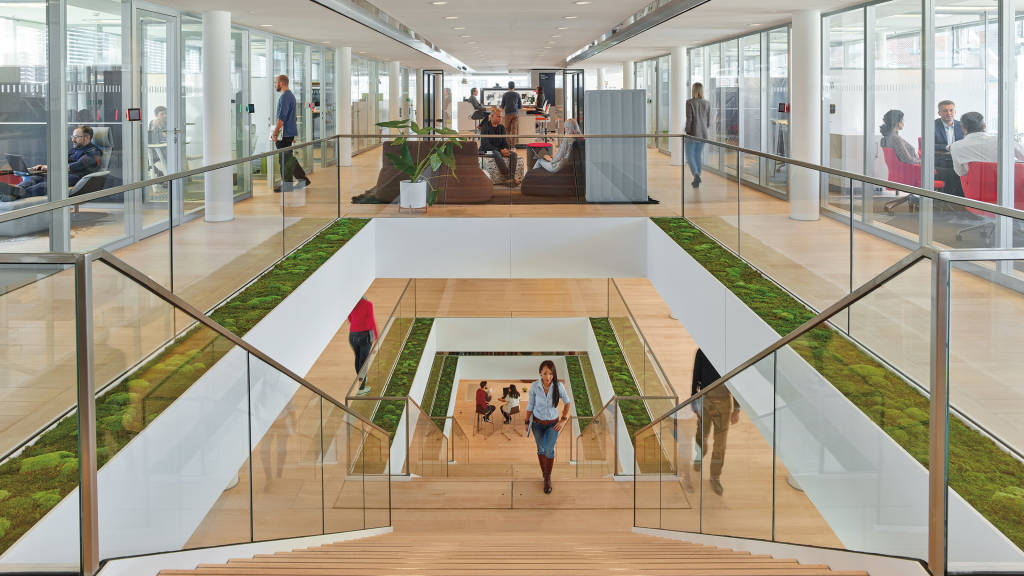
This case study examines how the LINC was conceived, the principles that were developed and the process used to create a new energy, momentum and presence for the company in EMEA and beyond.
NEXT CHAPTER – The Central Question