
How Inclusive Design Redefines Parkinson’s Care + Community
Baseball legend Kirk Gibson’s defining moment came in 1988: injured and barely able to plant his feet, he stepped to the plate in the World Series and launched a walk off home run that became an iconic symbol of raw grit.
Years later, that same determination would be tested again; this time against Parkinson’s disease, a neurological disorder that affects movement, balance, speech, and even mood and cognition. Everyday tasks become harder, and environments that once felt simple can suddenly feel overwhelming or inaccessible.
.

.
“People need help fighting the effects every single day,” Gibson says. “Since my Parkinson’s diagnosis, it has become clear that exercise and movement are critical to my overall treatment.
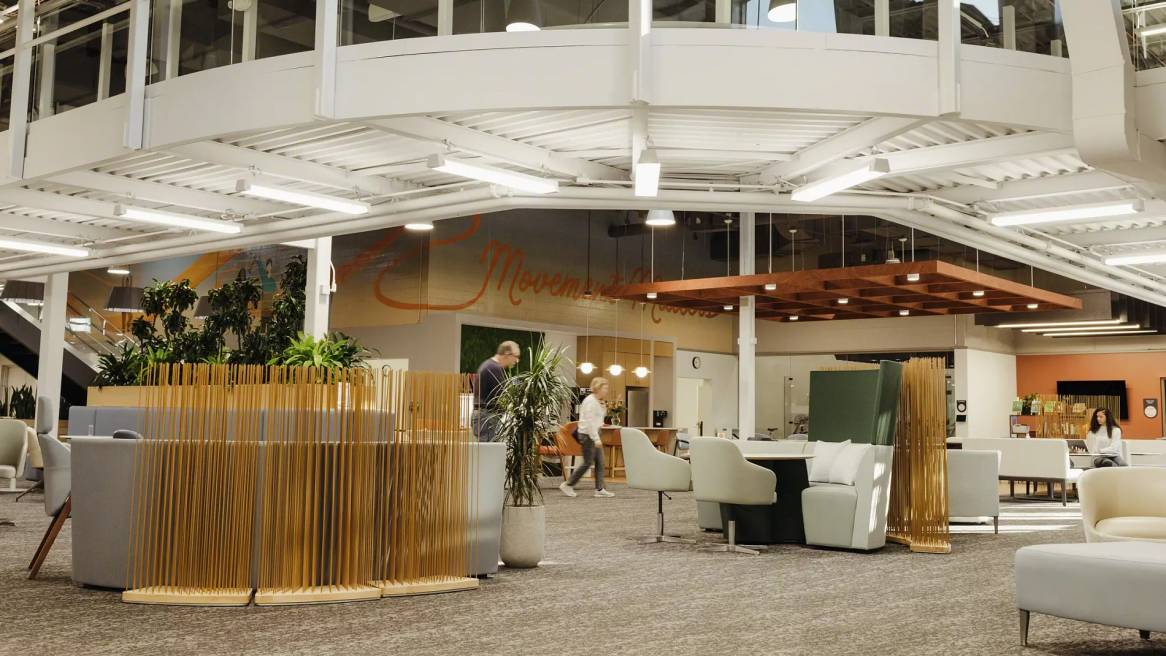
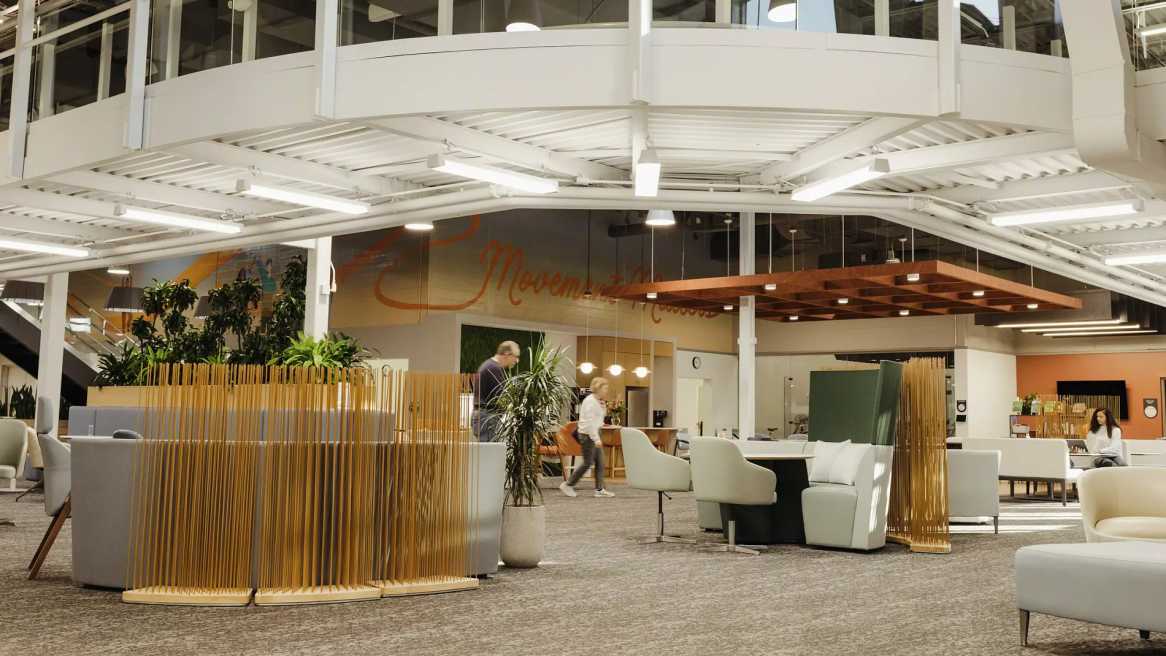
That belief inspired the creation of the Kirk Gibson Center for Parkinson’s Wellness in Farmington Hills, Michigan. The first of its kind, community focused facility offers free activity based and educational programs for people living with Parkinson’s and their care partners. To bring the vision to life, the foundation partnered with Steelcase and its inclusive design practice — designing with people rather than for them.
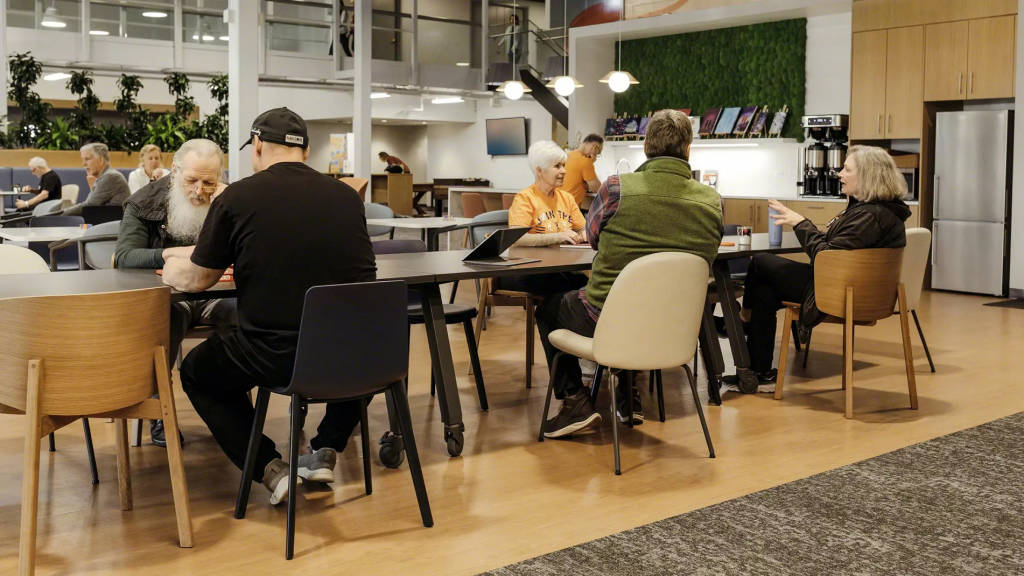
From the start, the team listened to those living with Parkinson’s, hosting a workshop with them, their caregivers and center employees. Their lived experiences guided every decision, influencing layout and furniture to meet a wide range of mobility, sensory and comfort needs.
.
.
Kirk’s son, Cam Gibson, who helps run the center, explains that Parkinson’s often brings new anxiety. People worry others will notice their tremors, posture, or speech. “People can come here and just be themselves,” Cam says. “Creating this community setting where they feel comfortable enough to leave that shell is everything.”
Kirk Gibson Foundation CEO & Managing Director Steve Annear, an amputee, says he entered the process skeptical. “I wasn’t sold on the idea that we needed to do the inclusive design workshop, but it changed everything,” says Annear.
.
.
I wasn’t sold on the idea that we needed to do the inclusive design workshop, but it changed everything.
Steve AnnearKirk Gibson Foundation CEO & Managing Director
“It has to be an interactive space. It has to be able to adapt to the people who are utilizing it,” adds Cam Gibson. “Team members with Parkinson’s tested furniture and layouts early in the process to make sure they would be helpful in everyday use.”
For Brenda Lanker, director of community outreach, who has Parkinson’s, inclusive seating is paramount to those with the disorder.
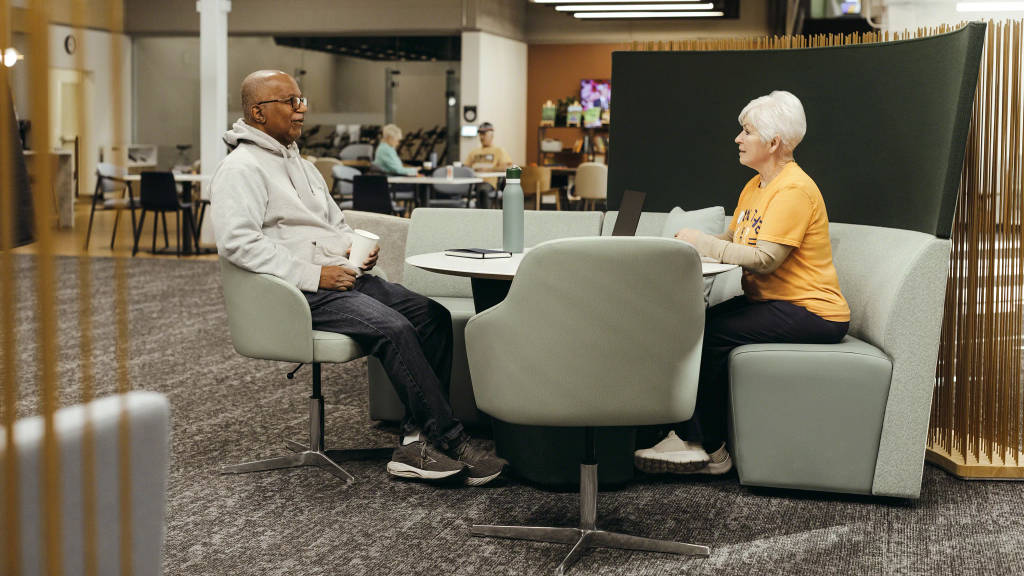
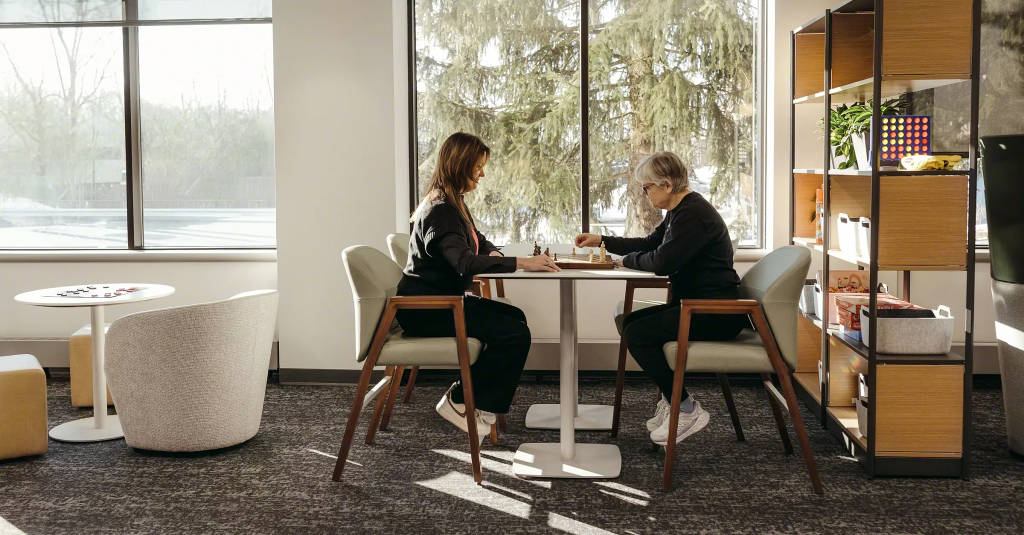
“Parkinson’s affects everyone differently, but at our center, that spectrum is our strength. Just as there is an activity for everyone, there is – quite literally – a seat for everyone.”
.
.
The resulting design of the Kirk Gibson Parkinson’s Center is grounded in four simple ideas that make the space more supportive of people at every stage of their Parkinson’s journey.
1. A predictable environment
Clear landmarks, accessible amenities and unobstructed pathways make the center intuitive to navigate and reduce cognitive load.
2. Support for every stage of the Parkinson’s journey
Stable seating, armrests, higher seating options and adjustable support a range of physical needs while allowing the space to adapt as activities change.
3. Designing for wellbeing through materials
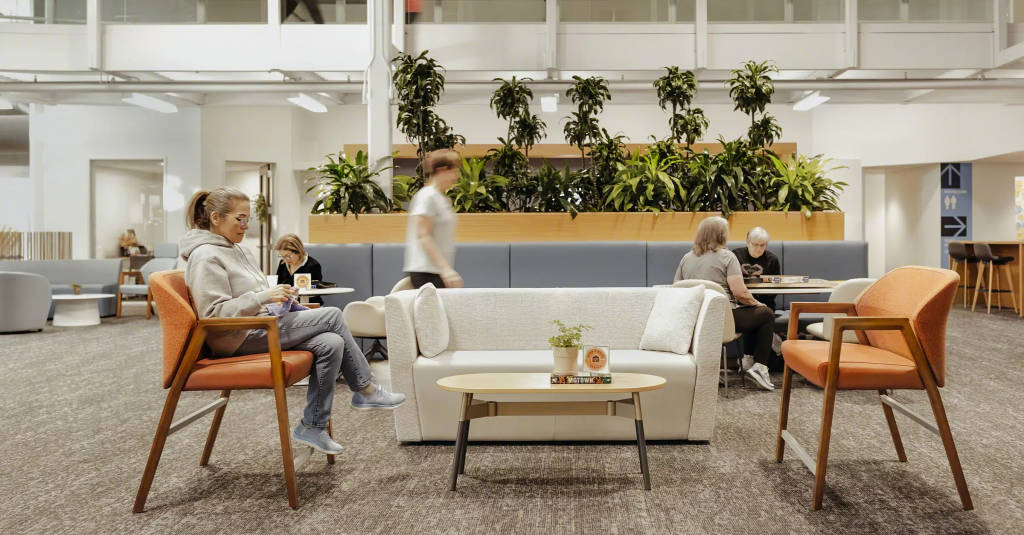
Soft textures, neutral colors, biophilic cues and sound absorbing materials create a calming environment that supports sensory comfort.
4. Creating micro‑environments for connection and privacy
Smaller zones provide places to gather, rest or step away for quieter moments.
Building a place centered on community
The emotional impact is just as powerful as the physical accommodations. A man diagnosed with Parkinson’s five years ago had kept it quiet. He didn’t want anyone to see his symptoms. “But his perspective completely flipped after coming here,” Cam says. “Being able to come to a setting where it’s a community of people going through the same thing made all the difference for him.”
.
.
“Inclusive design isn’t limited to one community – it’s a mindset that applies to every workplace,” says Kamara Sudberry, inclusive design leader in Steelcase. “The lessons from our work with the Kirk Gibson Foundation help us ensure design can be an aide, not a barrier, for people of all generations, abilities and neurodivergent conditions.”
Steelcase and its research teams continue to work with the Kirk Gibson Center to understand how people use the space and make adjustments over time, ensuring the environment evolves to meet the needs of the Parkinson’s community.
The result is a space shaped by the people who use it, honoring their resilience and reflecting the spirit of Kirk Gibson, a champion now helping others find their own grit and determination to overcome Parkinson’s.
.
At a Glance
Kirk Gibson Center for Parkinson’s
Location
- Farmington Hills, Michigan
Industry
- Healthcare
Size
- 40,000 square feet
Design Intent
- Create an accessible, community-focused social gathering space for people living with Parkinson’s and their care partners
- Support various activity-based programs
Key Features
- Inclusive Design
- Swivel seating to reduce the need for trunk flexion
- Strong, stable armrests to support independent sitting and standing
- Multiple seat heights to accommodate varied mobility needs
Project Partners
- Design Firm: Gensler
- Dealer: NBS Interiors
- Steelcase Workplace Innovation Design Studio