
Measuring Helps Communities Adapt
But are you measuring the right things?
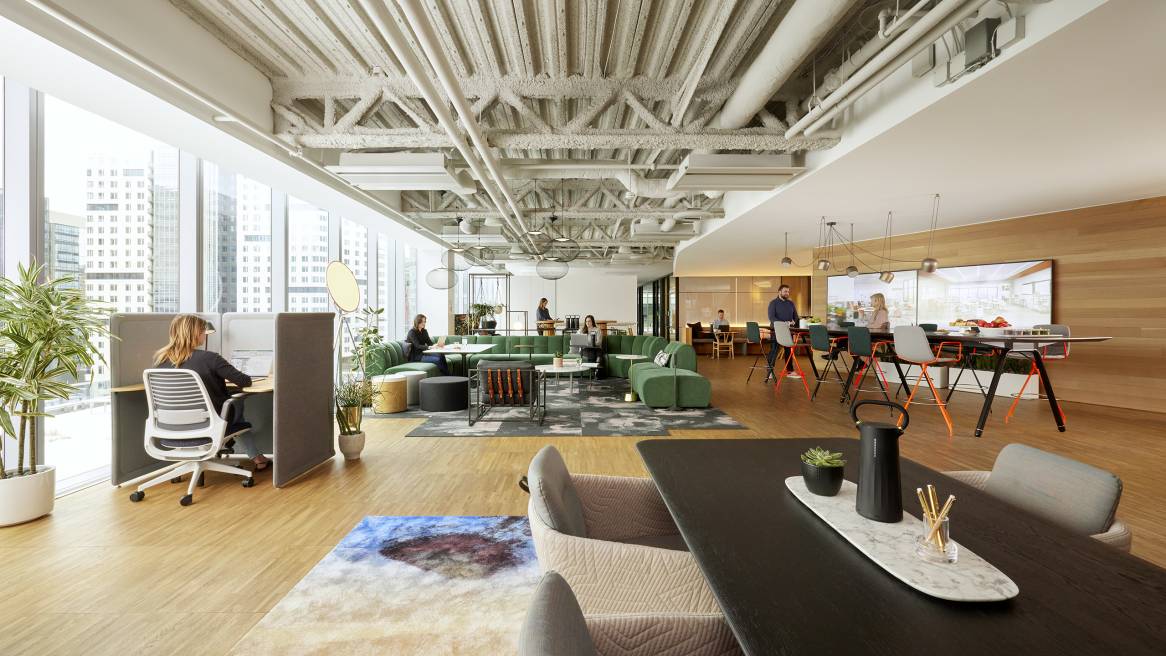
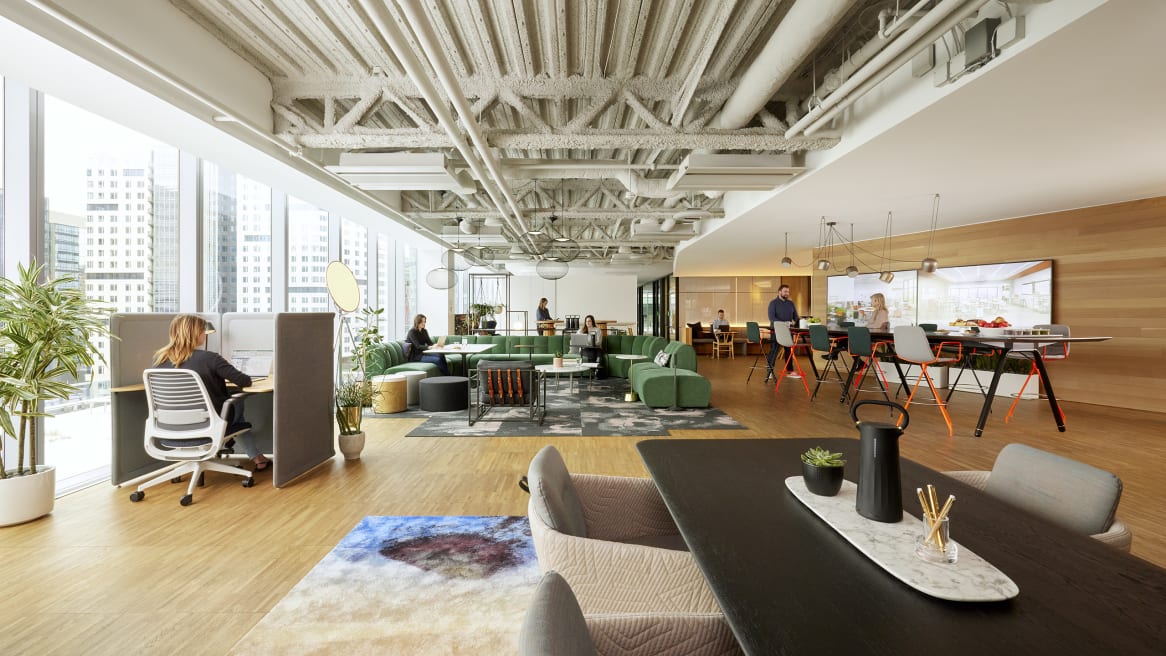
Vibrant cities bustling with activity always seem to have something new happening – a historic building renovation, an urban farm, a new sports stadium. They change in big and small ways to meet people’s evolving needs. Jane Jacobs thought of cities as living ecosystems that constantly adapt, and Community-Based Design principles translate this concept into the workplace.
Measurement and community involvement are essential parts of the process, helping organizations track performance and pinpoint areas that may need updates as employee and team needs evolve.
Over the past few years, work has evolved significantly. These changes have raised a new set of questions and challenges: Are our spaces truly supporting the new way employees work today? Do people have the privacy, flexibility and functionality necessary to do their best work? Do they have places where they can focus, collaborate, socialize, learn and rejuvenate?
“Leaders understand the importance of the employee experience and how that impacts attraction, retention and satisfaction,” says Meg Bennett, Steelcase global design principal. Bennett starts by deploying inclusive design principles and engages members of the workplace community at the beginning of the design process.
Analyzing workplace use
Ongoing measurement is a key tool to help workplaces continue to evolve. Quantitative data helps organizations understand key patterns of behavior. Steelcase partner VergeSense provides data analytics and real-time insights that measure space effectiveness. Occupancy and space utilization sensor technology helps transform underused spaces into areas that better support employee needs.
Understanding the employee experience
Equally important is measuring the workplace experience and people’s emotional and psychological responses to the space.
Occupancy and space utilization data provides insights into the effectiveness of a space. Organizations must also measure affectiveness — how the space makes people feel.
Does the workplace make employees feel valued, comfortable and connected? Does it inspire creativity or cause frustration?
Gensler’s 2024 Global Workplace Survey found that workplace experience trails behind space effectiveness across countries and industries, “highlighting an opportunity to design for emotion as well as function,” and advises its clients on the importance of designing for both effectiveness and experience. Gensler, along with other leading architectural and design and real estate firms, offers deep meaurement expertise and a range of offerings that can help.
“If your goal is to boost a sense of belonging and build a strong community, ongoing measurement is an important tool that can help a workplace evolve as people’s work patterns and behaviors change.”
Meg BennettSteelcase Global Design Principal
Steelcase offers clients its Workplace Readiness Assessment, a survey evaluating the work experience and employee sentiment. It reveals how people use the office and how they feel about it. The survey includes questions about belonging, productivity, comfort, control and technology integration.
In addition to quantitative data, Bennett suggests collecting qualitative data from activities such as workshops, lived- experience focus groups, interviews and observation. This kind of data provides contextual understanding, and when combined with AI-generated utilization data, it allows organizations to continually fine-tune their environments to support the ways their people are working. The process of gathering qualitative data helps people feel part of the process and that their needs are being considered. It also identifies opportunities to pilot and test new solutions.
Pilots: A low-risk approach to change
Testing new ideas on a smaller scale through pilots can help organizations refine their workplace strategies before committing to significant investments. A pilot program involves experimenting with new applications and settings, technologies or designs in select areas to gather data and feedback.
Cost-effective testing
Pilots allow companies to test concepts without overhauling entire offices, reducing financial risk.
Data-driven decisions
They provide valuable insights into what works and what doesn’t, enabling better- informed decisions.
Community engagement
Pilots should involve direct employee input from the people and teams using the space. This is a key tenet of Community-Based Design and fosters a sense of inclusion and ownership.
Measurement tools
Various tools are available to help organizations gather quantitative and qualitative data to assess employee sentiment and help identify opportunities to pilot and test.
 |
 |
| Occupancy Sensor Data Analyzes space usage trends |
Badge Swipe Data Pinpoints employee entry and exit patterns, allowing for optimized space utilization |
 |
 |
| Employee Sentiment Surveys Qualitative data from employee feedback and ratings |
Space Booking Data Provides insights into which spaces are most needed by employees and why |
 |
 |
| Amenity Usage Data Provides insights into how and when employees utilize amenities, enabling better space planning and resource allocation |
Wi-Fi Analytics Data Provides insights into employee movement, space utilization and occupancy patterns |