
Q&A: Design That Feels
How materials make people linger longer
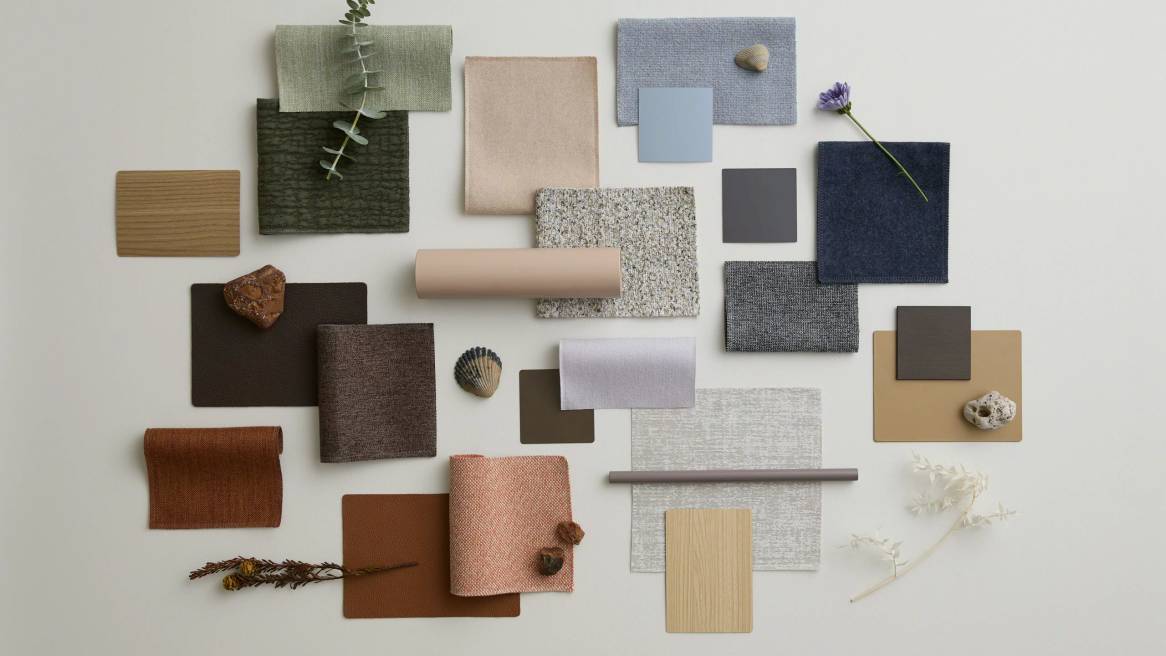
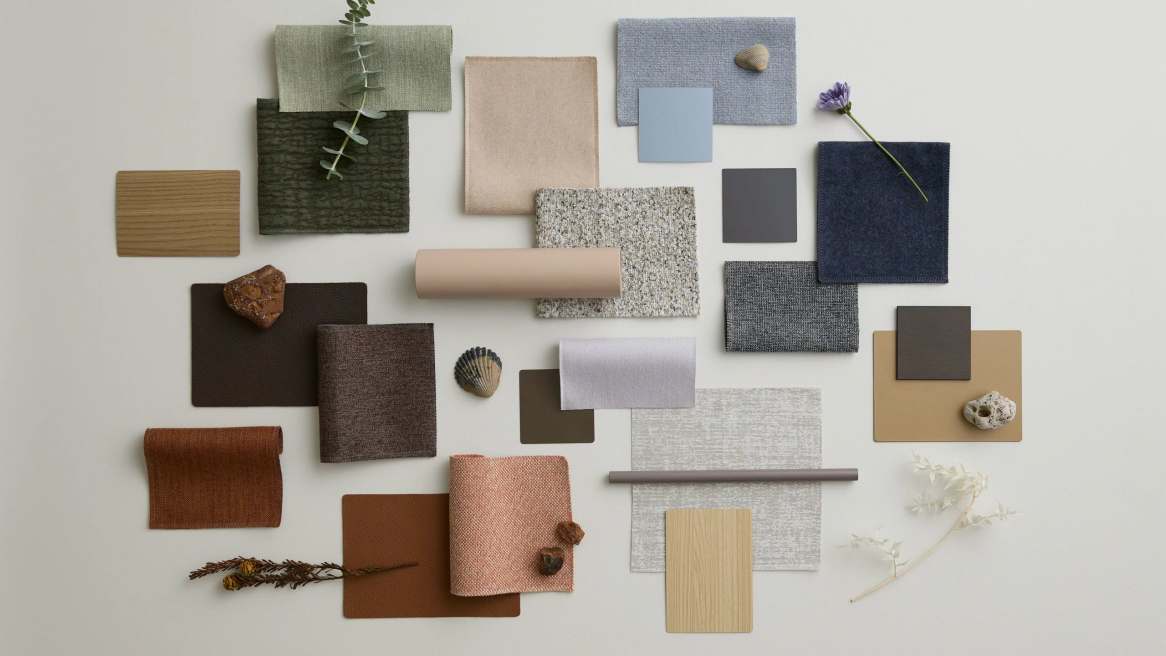
Color and texture aren’t just aesthetic choices — they influence how we feel, connect and perform at work. Material choices can spark warmth, comfort and security, influencing behavior and wellbeing. When spaces feel better, people stay longer, collaborate more easily, and feel more connected to their work.
We sat down with Steelcase design and materiality experts Ashley Upchurch, Jenna VanFleteren and Jessica Courtright to explore how materiality is evolving — and how it’s helping designers create spaces that are more inclusive, sustainable and emotionally resonant. From color theory to circularity, the conversation reveals how thoughtful palettes and textures are shaping today’s workplace.
Work Better: Why should organizations care about creating emotional connections in the office — and how do color and materials make that possible?
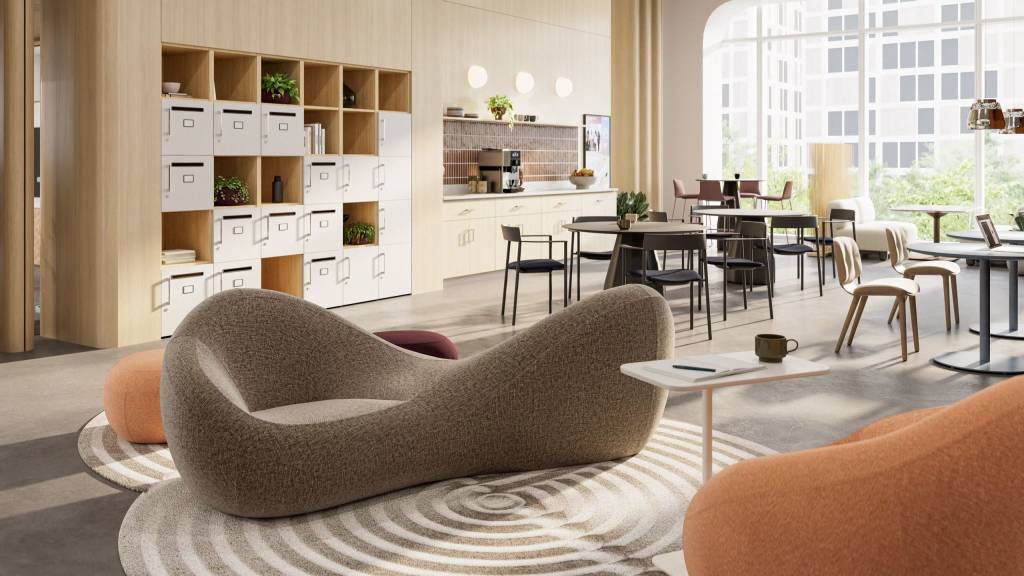
Jenna VanFleteren: Emotional connection is what makes design meaningful. We want people to care about the spaces they’re in. Workspaces aren’t just functional. They’re places where people spend countless hours of their lives, and materiality helps make those spaces feel human. Color is powerful — it sets the tone for how a space feels. Warm neutrals can create a sense of calm and security, while vibrant accents bring energy and optimism. When we layer those tones thoughtfully, people feel more at ease and more engaged.
Ashley Upchurch: Texture plays a huge role, too. A soft, heathered fabric can feel inviting, while a smooth, reflective surface might feel sleek and modern. Those tactile details shape whether a space feels comfortable, inspiring or restorative. If it feels good, people will want to use it.
Jessica Courtright: It’s about belonging. A space that feels considered and authentic sends a message: You matter here. That emotional layer goes beyond the way a space looks — it influences wellbeing and even how long people stay in a space.
WB: What cultural or lifestyle shifts are driving color and material choices?
JV: Circularity has moved from a nice-to-have to a non-negotiable. It’s influencing the way we think about materials and finishes. Designers want options that look beautiful and perform well, but also contribute to a longer lifecycle.
JC: And with that shift comes complexity. There’s so much information out there about sustainability that it can feel overwhelming. Our role is to help simplify those choices and show how color and texture can still deliver warmth and personality while meeting those goals. It’s about striking a balance between aesthetics and responsibility.
WB: How do you both create unique spaces while still considering sustainability?
JV: That comes through thoughtful details — the things that make a space feel unique and cared for like textures that invite touch, colors that feel authentic and craftsmanship that signals quality. If a space feels beautiful and personal, people are more likely to value it and keep it longer.
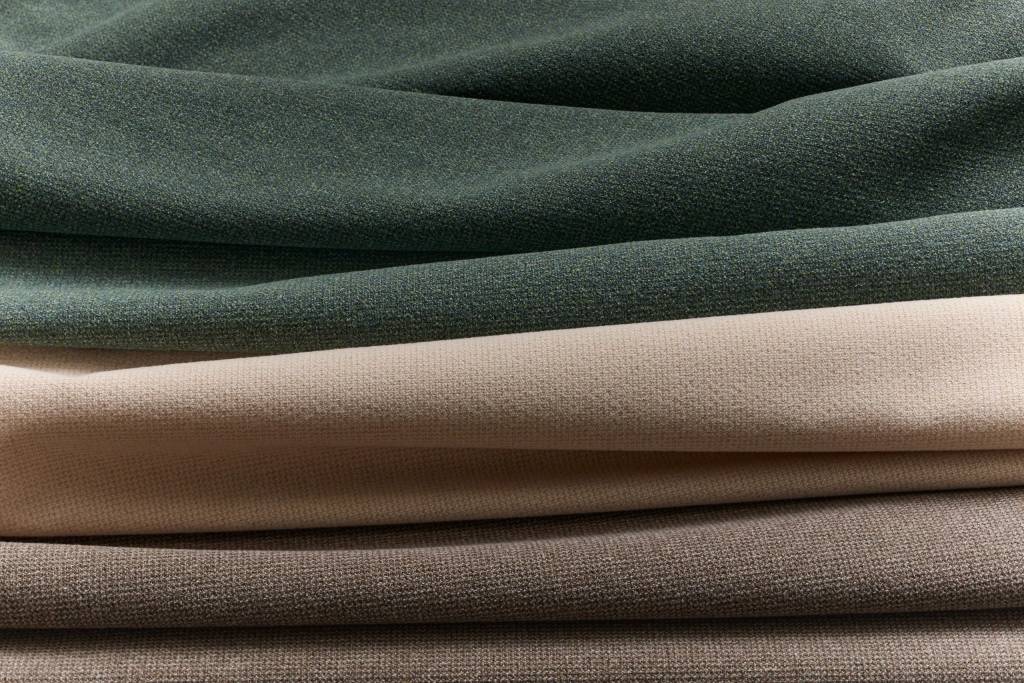
JC: Recycled content also plays a role because it transforms something that could have added to waste into something intentional and beautiful. It influences color and texture in ways that feel authentic, adding flecks or multi-tones that create depth and visual interest — qualities that help people connect with a space instead of seeing it as disposable.
WB: How is sustainability driving innovation in your work?
JV: We’re focused on using recycled content across product families. For example, our seating portfolio has just been updated to bring highly recycled plastics into multiple products, not just one. We’re also exploring shared platforms and common parts across studios to scale sustainability.
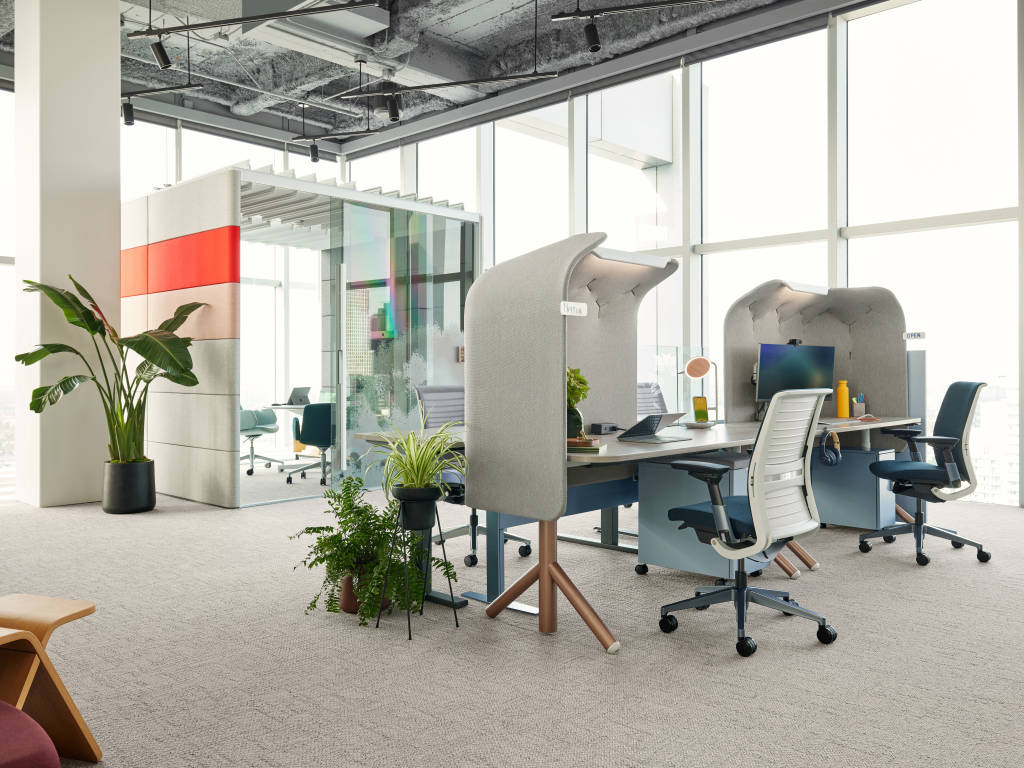
JC: Flex Personal Spaces Privacy Wrap is a great example. The screen material was developed specifically for that product to minimize waste. We’re also thinking about how to refresh spaces with small interventions — using versatile materials that allow for updates without requiring a complete overhaul.
AU: Circularity is also about what happens at the end of an item’s life. Many finishes tout sustainability, but can’t be recycled later. We focus on materials that can be reclaimed and reused, and we’ve had closed-loop finishes in our portfolio for years. It’s about thinking ahead, not just responding to what’s trending now.
WB: How does materiality create inclusive, flexible workplaces?
JC: People work in different ways, so their spaces should be designed to support those differences. Materiality helps create that range. Through color, texture and finish, we can design spaces that feel stimulating or soothing, giving people options to choose where they work best. That’s a key aspect of inclusive design — ensuring spaces meet diverse needs and recognizing that the same person might require different environments throughout the day.
JV: By providing designers and customers with a range of surface material options — from light to dark, subtle to expressive — we can help create that range across spaces and products. By applying principles of color theory and thoughtfully considering placement and proportion, we can design spaces that support both stimulation and calm, offering choice and comfort for everyone.
AU: Adaptability matters too. Products today need to perform across multiple environments, which means materials must be durable, sustainable and aesthetically cohesive. That flexibility allows spaces to evolve without starting over, supporting inclusivity and longevity at the same time.
Explore how color and material choices can shape your work experience through our ColorWorks Guide