
Designing for Neurodivergent Learning Needs
Creating learning spaces that support every brain
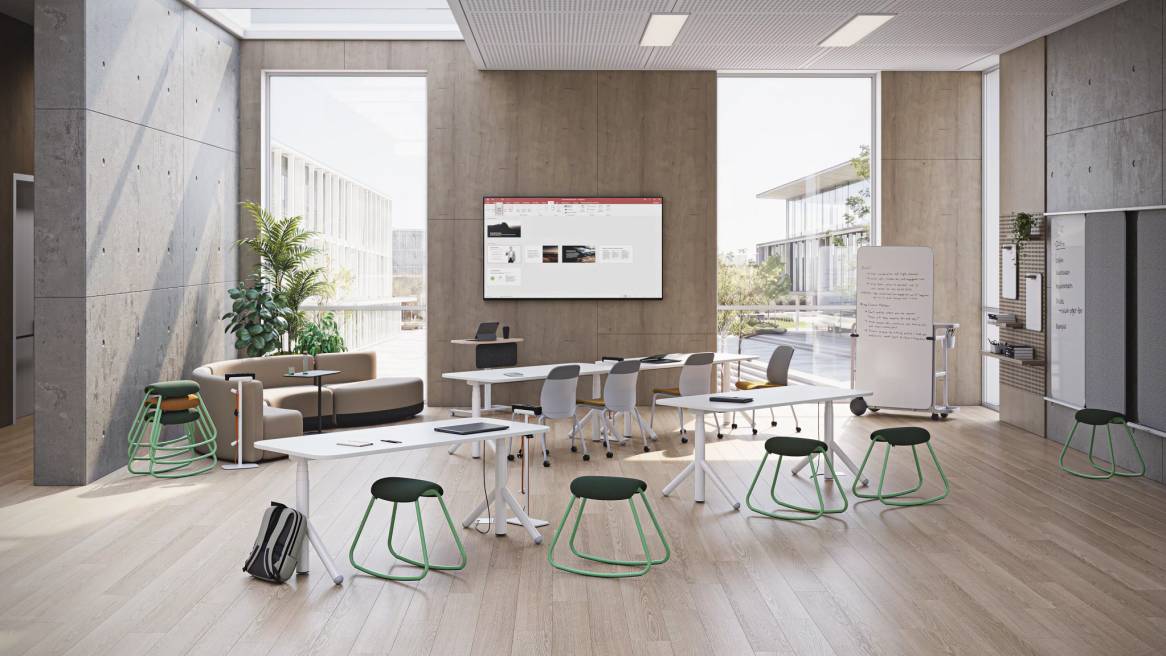
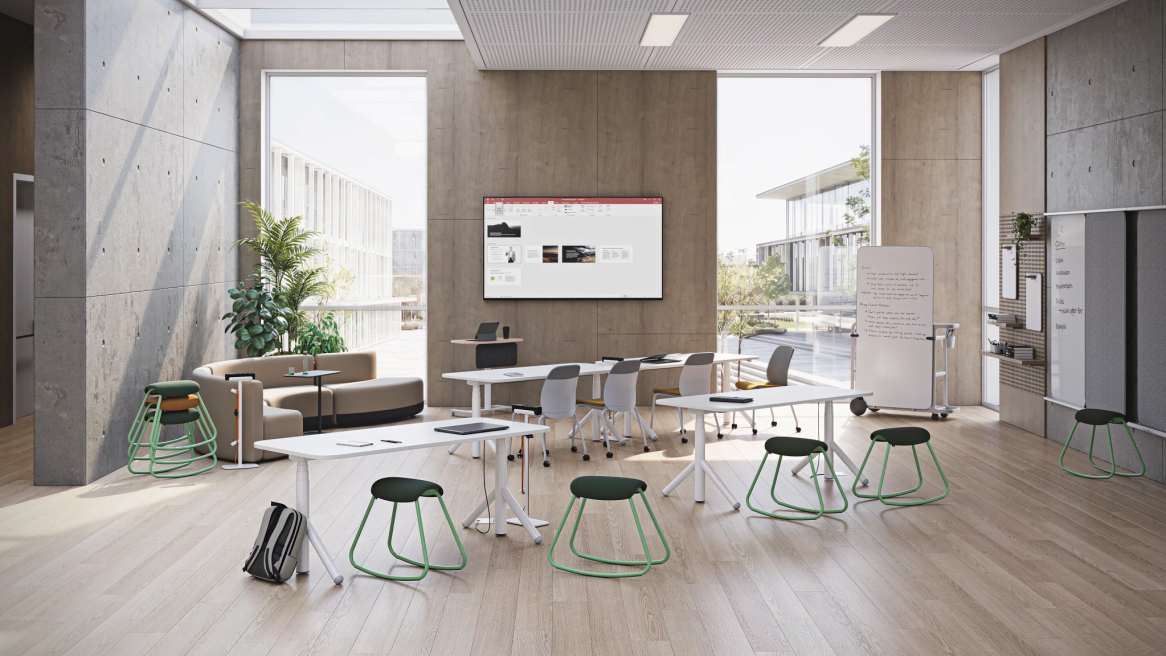
What if the learning environment itself was preventing some students from reaching their full potential?
With an estimated 10-20% of the global population being neurodivergent — including individuals with autism, ADHD and learning differences — neurodiversity is part of every classroom. Yet many spaces are still designed for the “average” learner.
Neuroinclusive design addresses this challenge by creating environments that support a wider range of cognitive, sensory and emotional needs, helping every student feel comfortable, engaged and confident.
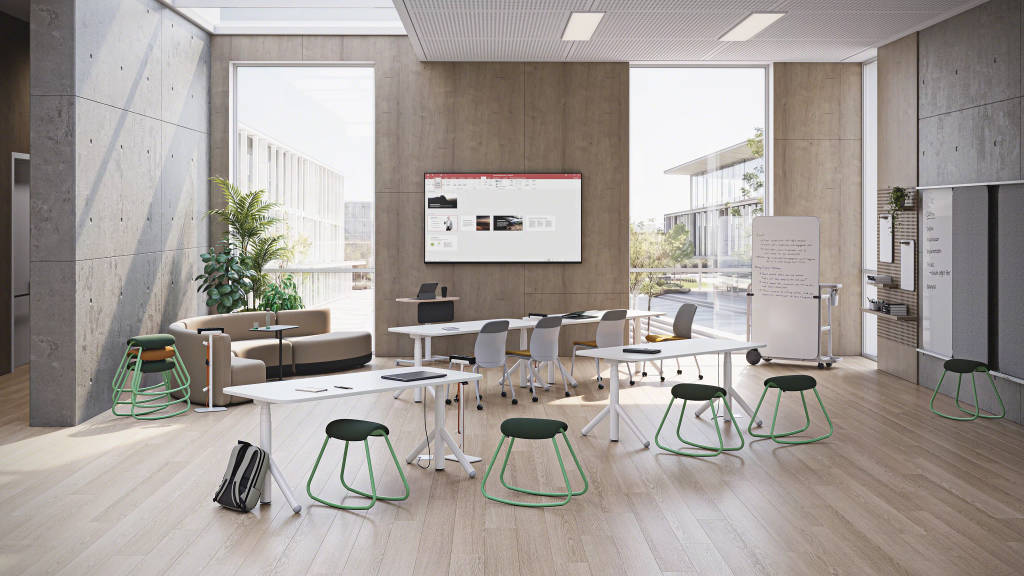
Supporting Natural Movement
Movement plays a critical role in our ability to focus and process information. Sitting in the same position for long periods can make it harder to concentrate — especially for neurodivergent students, who often rely on movement to regulate attention and stay engaged. Many may stim or prefer to change positions throughout the day as a way of supporting focus and self-regulation.
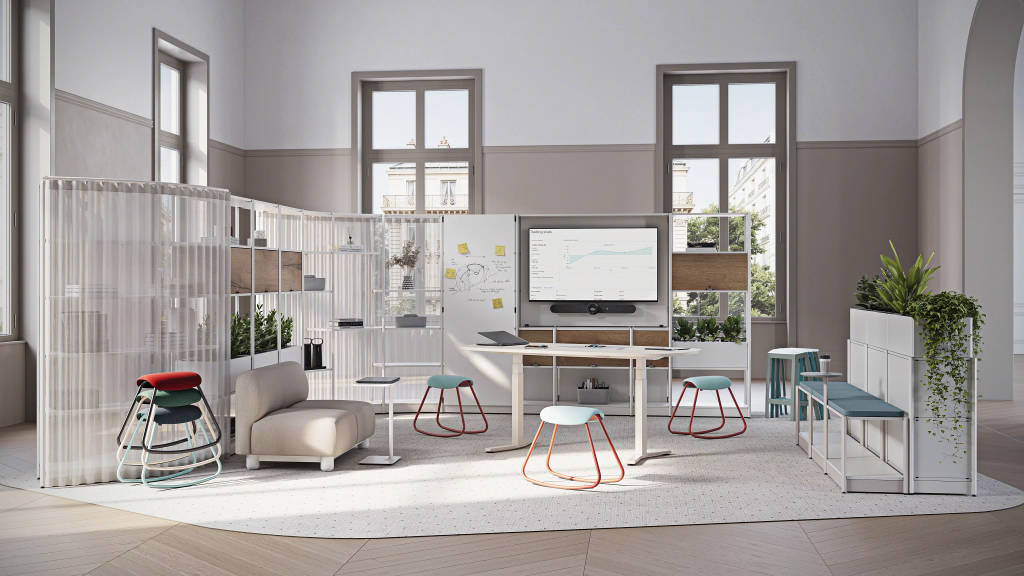
Active seating solutions help sustain cognitive engagement by supporting movement and allowing students to shift positions.
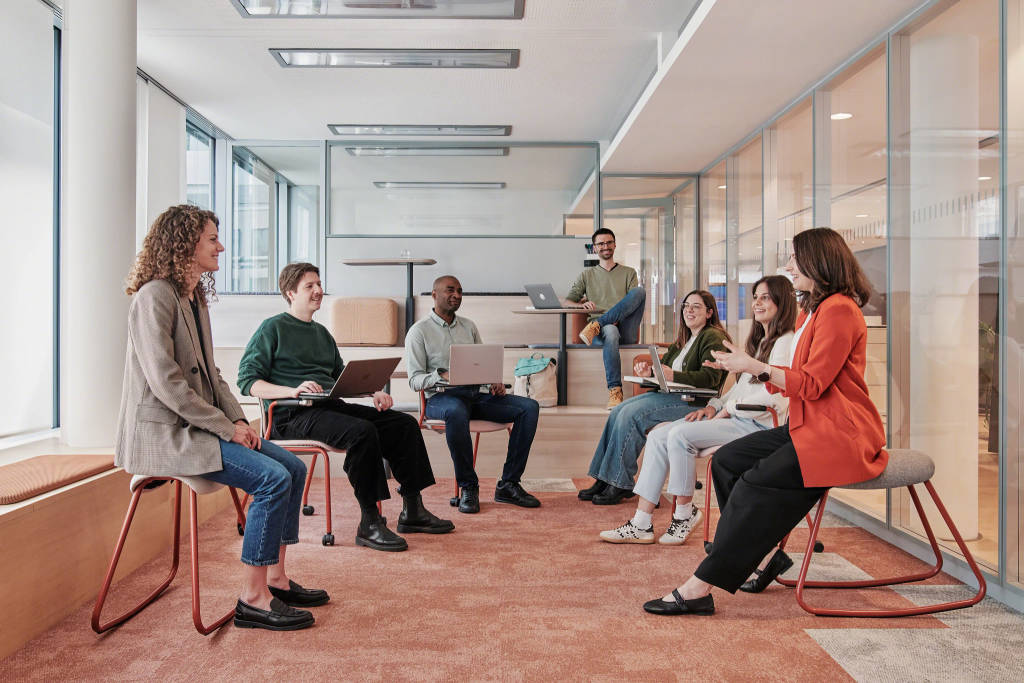
Gentle Rocking Motion Helps to Self-Regulate
Supporting neurodiverse learners isn’t always about minimizing stimulation. In many cases, the right sensory input can help students focus and feel more comfortable. Active seating like Flex Rocker Stool that provides gentle movement and consistent sensory feedback can help sustain attention throughout the learning experience.
The feedback received from students at a university in Munich in February 2026 reinforced this. The designer of Flex Rocker Stool, Florian Schultz, explains: “During user testing, many participants — including those with ADHD — shared that the ability to move helped them maintain focus for longer.”
Building Inclusive Learning Spaces
While active seating solutions are not intended to replace a task chair or be used all day, many students viewed them as a valuable option during longer periods of focused work, helping them stay engaged and comfortable. They also considered them well suited to classrooms, study spaces, and informal settings, offering greater choice and opportunities for movement throughout the day.
By giving students more control over how they sit and move, active seating can help improve focus, support information processing and encourage more confident participation.
Reducing Sensory Overload
Constant noise, visual clutter and ongoing activity can make it difficult to focus and process information. For neurodivergent students, in particular, this can quickly lead to sensory overload.
Sensory overload occurs when the brain must constantly filter competing stimuli rather than focus on the task at hand. Over time, this can create mental fatigue, reduce concentration and affect overall wellbeing.
By minimizing visual and auditory distractions, design can help reduce this cognitive burden and enhance the learning experience for all students.
Providing Shelter Without Disconnecting
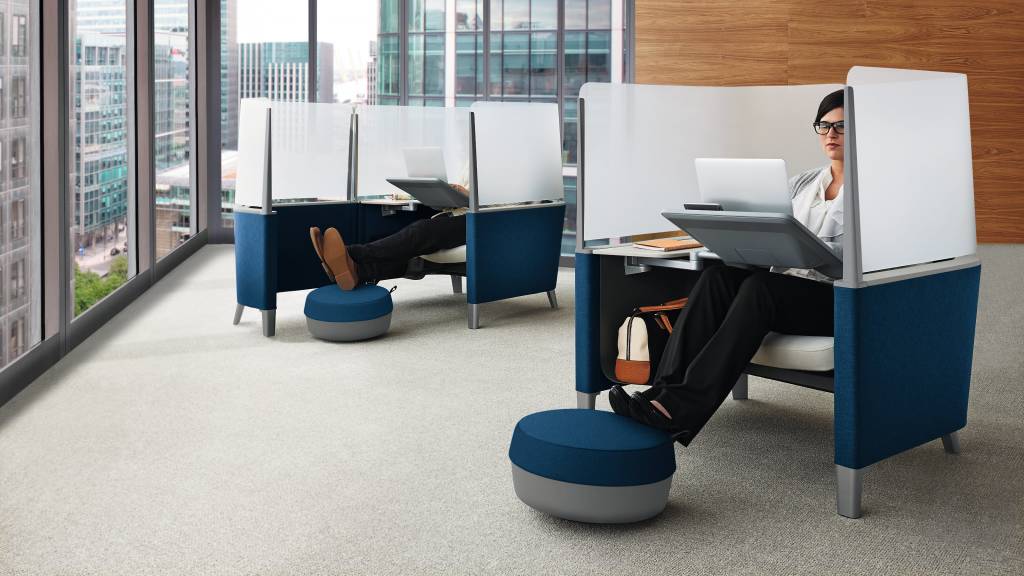
Visual privacy solutions like Brody create a sense of refuge within open learning environments, helping students manage distractions and focus more effectively.
Neurodivergent students benefit from access to shared spaces and social connection, but they also need opportunities to retreat, concentrate and recharge. By providing a comfortable sense of enclosure while maintaining visibility and connection, nooks can support both focus and belonging.
Offering Flexibility and Choice
Our needs change throughout the day, which is why flexibility is important in dynamic learning environments. This is especially true for neurodivergent students, who may require different levels of stimulation, movement, or support depending on the task, their energy levels or their sensory needs.
Providing choice through adjustable lighting, flexible seating and adaptable desks gives students greater control over their environment and can help reduce cognitive load. When learners can adjust their surroundings to suit their needs, they are better able to focus, stay engaged and participate confidently.
Supporting Changing Needs
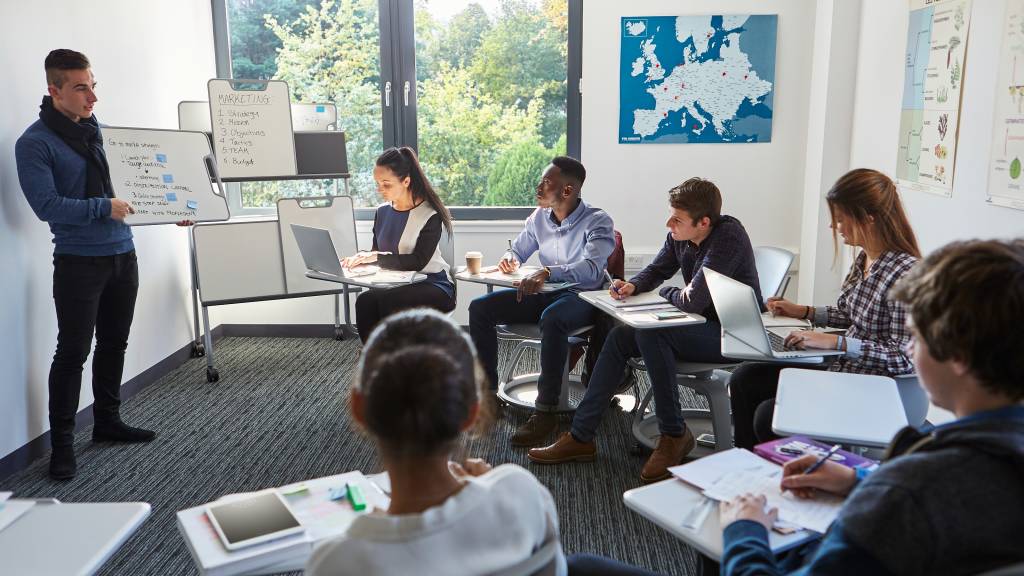
Adaptable furniture such as height-adjustable desks like Flex Desk enables students to vary their posture and find the way of working that best supports their individual needs.
Similarly, flexible seating solutions like Node that support both mobility and movement, make it easy for students to adapt their learning environment as needed. Its rotating seat was intentionally designed to allow students to swivel and move naturally while remaining in one place, helping them stay focused and engaged without disrupting the class.
With adaptable features and ease of movement, solutions like these help create learning environments that accommodate a wider range of needs, preferences, and learning styles.

Learning Space That Works for Everyone
To support the many ways people learn, learning spaces can no longer be designed with a one-size-fits-all approach. Instead, they need to accommodate a wider range of cognitive, sensory, and emotional needs.
By reducing sensory overload, supporting movement, and offering greater choice, we can create environments that work better for everyone. Solutions like Flex Rocker Stool, Brody Privacy Lounge, Node, and Flex Desks help bring this vision to life — creating more inclusive learning spaces where every student feels supported, engaged, and empowered to succeed.