7 Easy Ways to Add Privacy
If you want people to work in the office more and stay focused while they’re there, privacy needs to be more accessible.
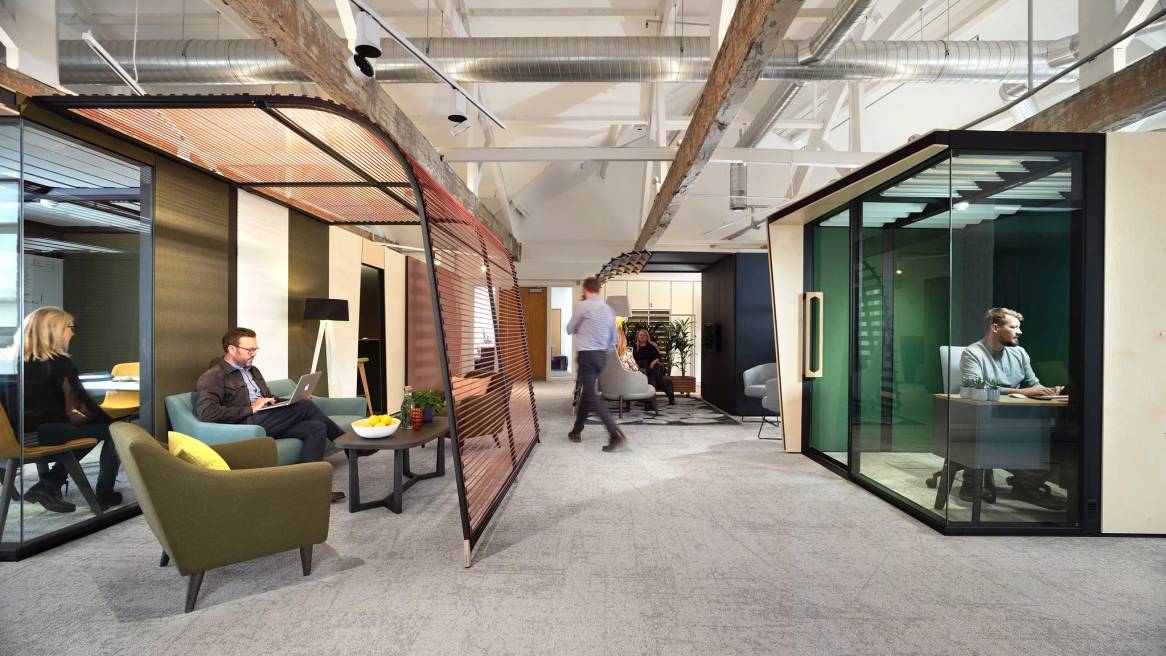
As more organizations are increasingly requiring employees to spend more days in the office, one of the biggest barriers to a successful return is the lack of privacy. Open-plan layouts and shared spaces often leave employees without places to focus, hold confidential conversations, or recharge. The rise in video calls has only intensified the issue, creating a greater need for quiet, enclosed areas — spaces that many offices simply weren’t designed to accommodate.
Steelcase data shows a significant gap between how important people believe different types of workspaces are—like those for focus, collaboration, socializing, learning, and rejuvenation—and their satisfaction with how well those spaces actually work. The biggest gaps are in focus and rejuvenation, where satisfaction scores fall far below their importance. And it’s costing companies more than just a few grumbles—it’s impacting productivity, engagement, wellbeing, and the overall success of hybrid work strategies.
The good news? You don’t need to redesign your entire office. You just need to rethink how privacy is built into your workplace design. Here are seven smart, proven ways to create spaces that help people do their best work:
1. Zone your floorplan for focus
2. Put privacy within reach
3. Add visual privacy — walls are not always the answer
4. Design for different levels of privacy
5. Create acoustic sanctuaries
6. Watch people’s backs
7. Make it adaptable
1. Zone your floorplan for focus
Location matters. Place high-energy areas like cafés or collaboration lounges near the entrance or away from workstations. Carve out quiet zones—like libraries, nooks or individual focus areas—deeper into the floorplate. This natural flow from social to secluded helps reduce sound bleed and distractions.
Think of your office like a city—keep the “City Center” vibrant, but make sure there are peaceful areas to escape the bustle and noise.
2. Put privacy within reach
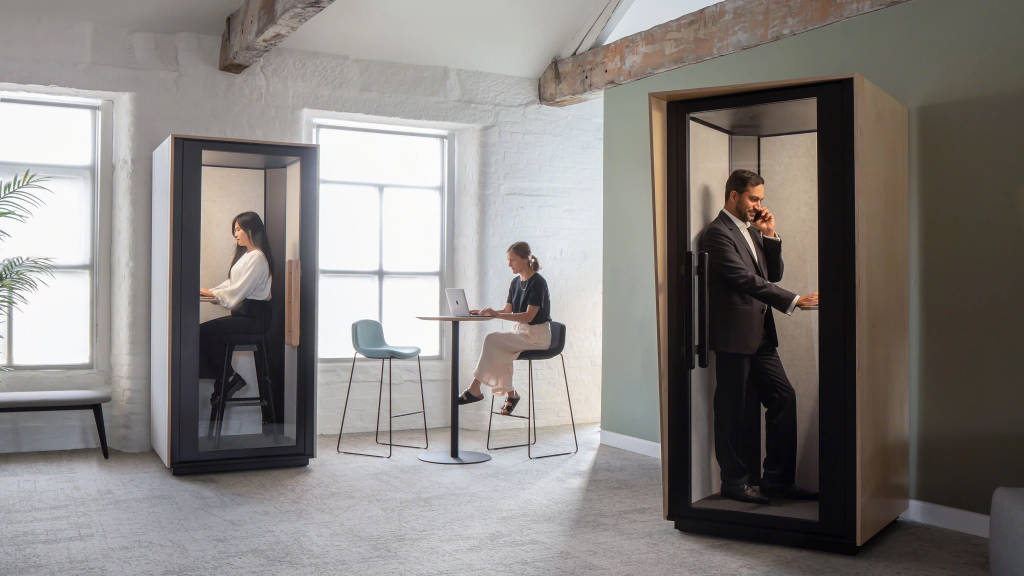
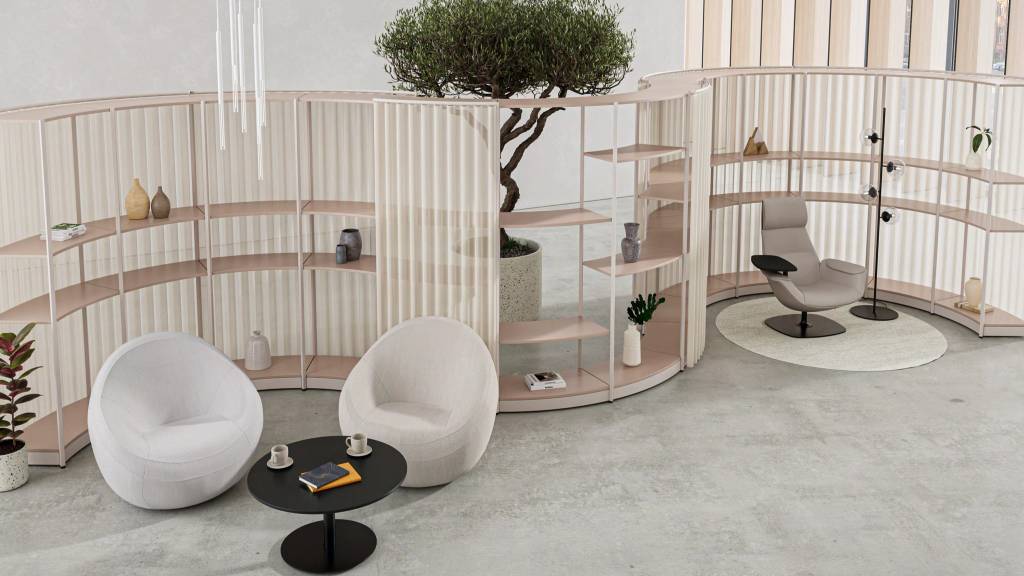
People often take calls at their desks, not by choice, but because there’s nowhere else to go. Fix this by scattering phone booths, enclaves and pods close to work areas, so they’re easy to slip into for quick conversations or deep thinking. Don’t isolate these spaces in a distant corner—if they’re not nearby, they won’t be used.
3. Add visual privacy — walls are not always the answer
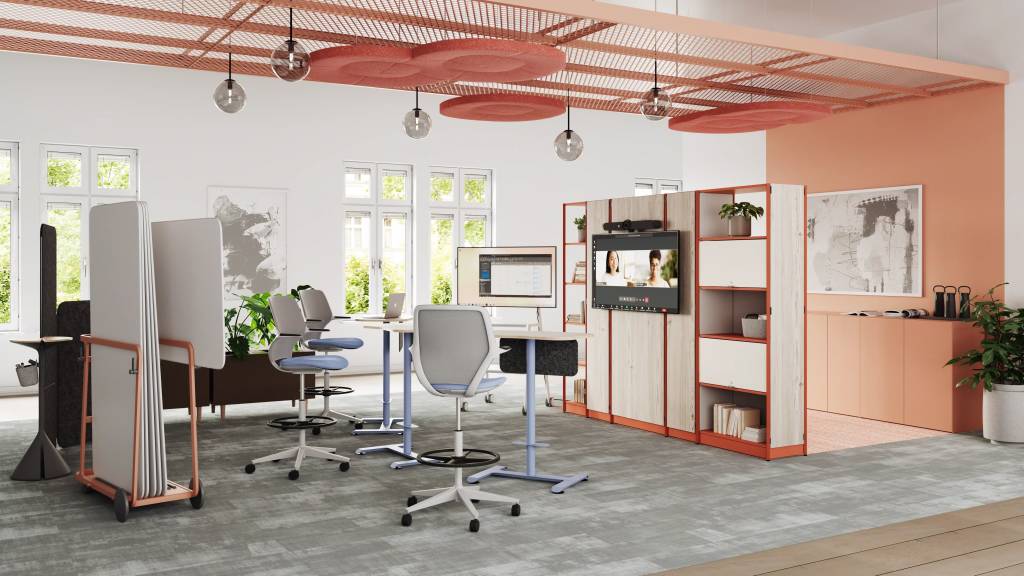
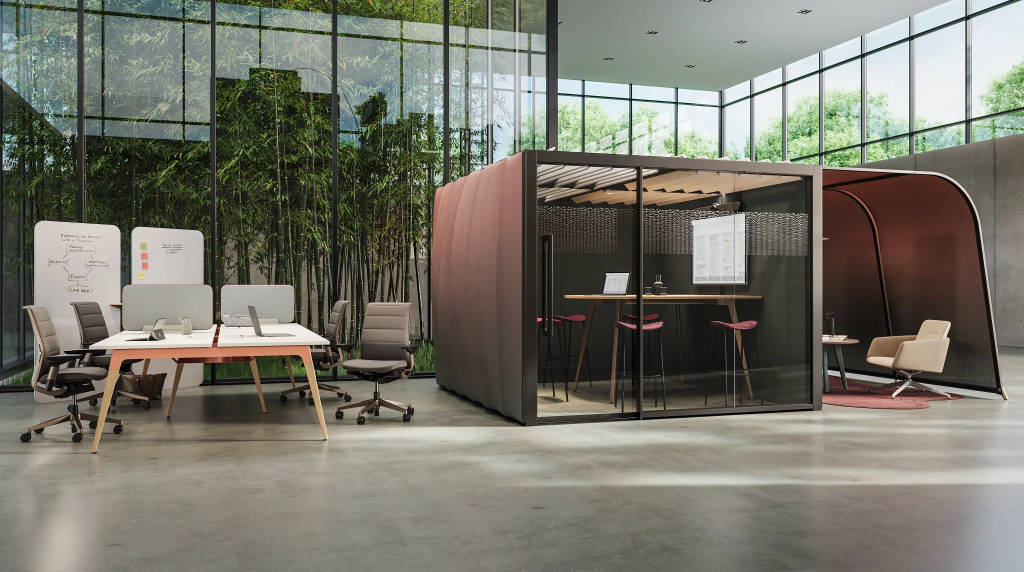
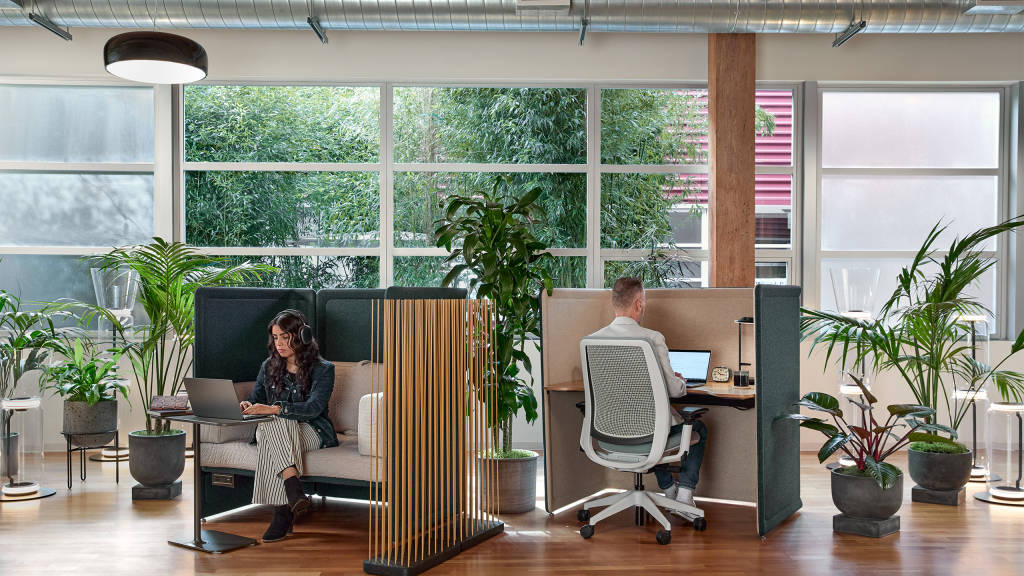
Total enclosure isn’t always necessary. Visual barriers like tall storage units, planters, desk screens or shelving block sightlines and create a feeling of separation without cutting people off from their teams.
It’s not about shutting people in—it’s about giving them a break from being on display.
4. Design for different levels of privacy
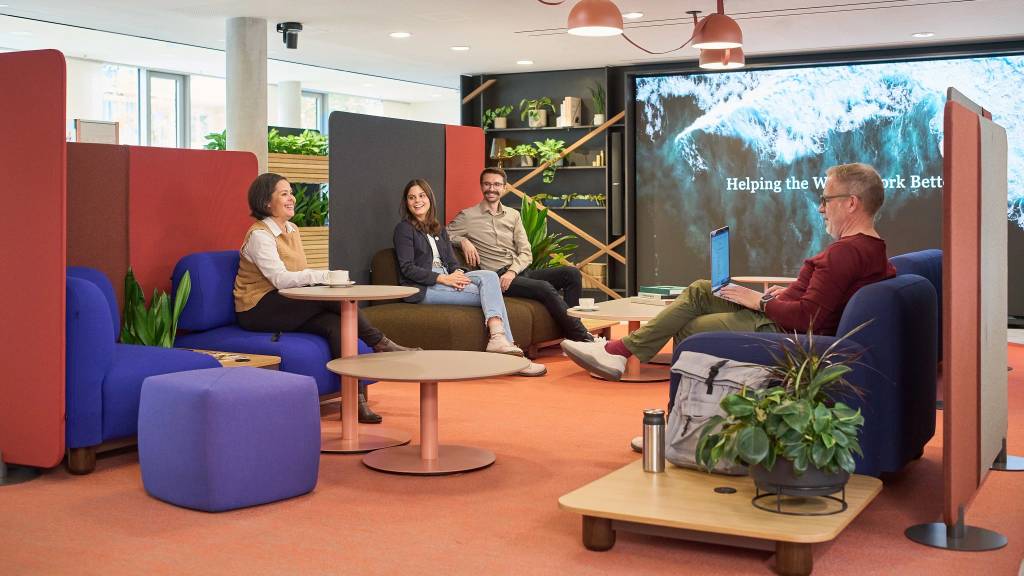
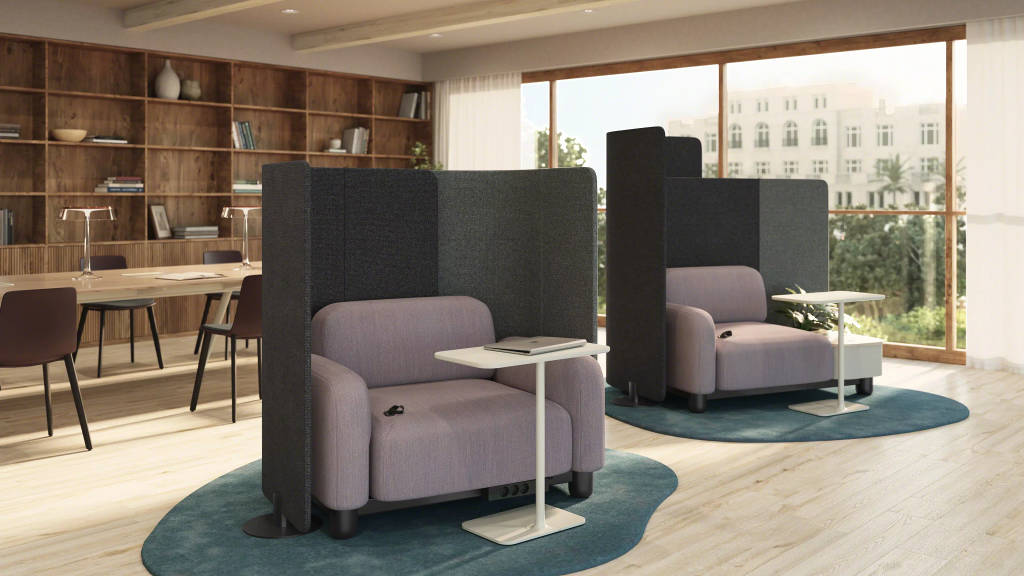
People need choices — because everyone’s privacy needs shift throughout the day. Steelcase researchers suggest focusing on three types of privacy: acoustic help in the open (like screens or panels) to reduce noise in shared spaces; shielded zones that offer partial enclosure for focused work while staying connected; and fully enclosed spaces for calls, quiet work or private conversations.
5. Create acoustic sanctuaries
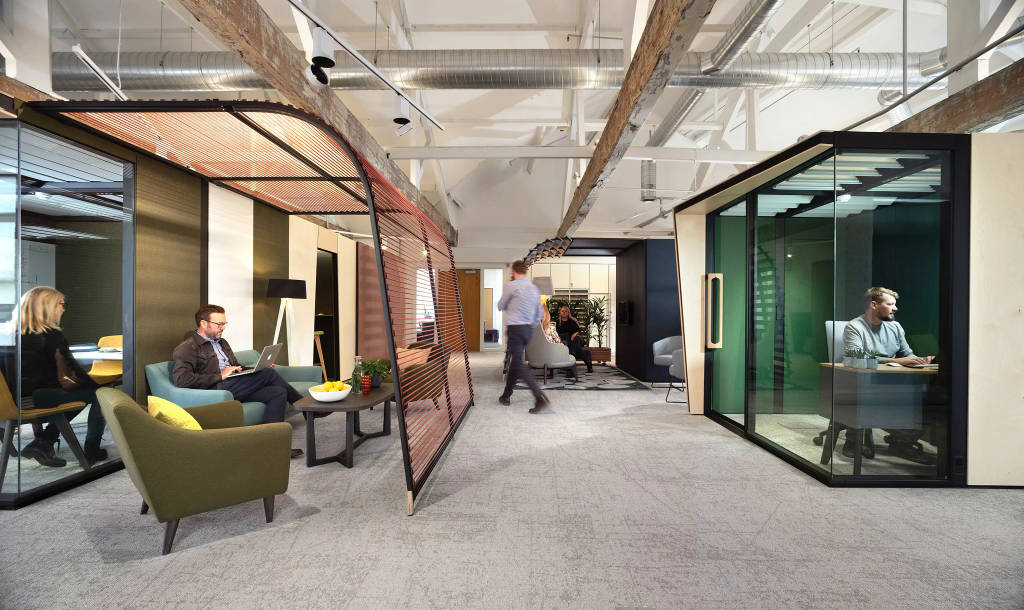
Sound is one of the biggest culprits behind workplace frustration. To quiet things down, use materials like felt ceiling panels, acoustic tiles, soft furniture and even rugs. Soundscapes, such as sounds from nature, bring the benefits of these sounds indoors. A well-designed soundscape supports different work modes—like focus, collaboration or relaxation—by managing noise levels and sound quality. Layer these elements throughout the office to minimize noise travel. A visually stunning room won’t help if it echoes like a gym.
6. Watch people’s backs
Avoid placing desks with backs to walkways—it makes people feel exposed. Orient workstations so employees have some control over their visual field. Add shielding elements where possible, and keep high-traffic areas out of people’s peripheral vision. A small layout tweak can make a big difference in how comfortable—and productive—people feel.
7. Make it adaptable
Privacy needs change by the hour. Equip spaces with movable screens, height-adjustable desks, and modular furniture so people can shape their environment. The more control employees have, the more they can adapt their space to their needs in the moment.