Global Reporting Initiative (GRI) Index 


Strategy and analysis 


Section # Description Links
1.1 CEO Statement Corporate Sustainability Report
1.2 Key Impacts, Risks and Opportunities Annual Report pp. 8-13

Organizational Profile

Section # Description Links
2.1 Name of the Organization Steelcase Inc.
2.2 Primary Brands, Products, Services About Steelcase
2.3 Operational Structure Annual Report Letter to Shareholders
2.4 Location of Headquarters Locations
2.5 Global Operations About Steelcase
2.6 Nature of Ownership Form 10K
2.7 Markets Served Annual Report pp. 3, 4
2.8 Scale of Organization Annual Report pp. 17-35
2.9 Significant Size, Structure or Ownership Changes Annual Report p. 13
2.10 Awards Received in the Reporting Period Awards

Report Parameters

Section # Description Links
3.1 Reporting Period Fiscal Year 2011
3.2 Date of Most Recent Previous Report Fiscal Year 2010
3.3 Reporting Cycle Annual
3.4 Report Contact Point pr@steelcase.com
3.5 Process for Defining Report Content View Response
In preparing the content of this report, Steelcase reviewed its operations through the lens of the Global Reporting Initiative framework as well as other measurement systems to identify sustainability aspects of the business. Through that process, Steelcase identified significant aspects and developed objectives and targets that guide efforts to improve performance. This is an ongoing process that requires continued learning, evaluating, and adapting systems to ensure that Steelcase is living its core values and meeting sustainability commitments.
3.6 Scope of Report See GRI 2.3 and GRI 2.5
3.7 Limitations on Scope of Report Corporate Sustainability Report
3.9 Data Measurement Techniques and Basis for Calculations View Response
Steelcase collects data from each of its global locations through a web-based information management system. Data inputs include utility bills, pull tickets from recycling and waste hauling service providers, and the company's environmental management system. Data is collected monthly for all locations globally. Steelcase's scope of inclusion follows the guidelines established by the World Resources Institute as adopted by the EPA Climate Leaders Initiative.
3.10 Explanation of Any Restatements Corporate Sustainability Report
3.11 Significant Changes from Previous Report Corporate Sustainability Report
3.12 Standard Disclosures GRI Index
3.13 Policy and Practice Regarding External Assurance At this time, Steelcase does not utilize an external organization to assess this report.

Governance, Commitments and Engagement

Section # Description Links
4.1 Governance Structure Corporate Governance
4.2 Chairman of the Board Definition Executive Officers
4.3 Independent and/or Non-Executive Board Membership Board of Directors
4.4 Mechanism to Provide Recommendations to the Board Board of Directors Contact Form
4.5 Link Between Executive Compensation and Sustainable Performance Executive Compensation
4.6 Process to Avoid Conflicts of Interest Business Conduct Policy
4.7 Board Qualifications and Expertise Corporate Governance Principles
4.8 Mission, Values, Codes of Conduct and Principles Global Business Standards
4.9 Process for Overseeing Economic, Environmental and Social Performance Corporate Governance Principles
4.10 Process for Evaluating Board Performance Corporate Governance Principles
4.13 Memberships Steelcase is a global company with 11,000 employees and over 670 independent and company-owned dealers. The company has a number of corporate and individual memberships in industry and other associations and organizations.
4.14 Stakeholder Groups Steelcase engages a variety of stakeholder groups within the communities where we live and work and our within its industry.
4.15 Basis for Identification and Selection of Stakeholder Groups Steelcase seeks opportunities to engage with stakeholder groups that bring value to its company, communities and industry.
4.16 Approaches to Stakeholder Engagement Areas Steelcase has targeted for engagement include - but are not limited to - diversity, sustainable packaging, energy management, climate protection, and urban education.
4.17 Key Topics of Concern to Stakeholders Remaining engaged with community and industry leaders and organizations provides opportunity for on-going communication, learning and problem solving.

Environmental

Section # Description Links
EN1 Materials Used by Weight or Volume View Response
Material weight and volume vary significantly by product type. Steelcase calculates materials used by product on an individual basis. The highest volume materials used are steel and medium density fiberboard and to a lesser extent, aluminum, plastics, fabrics and foams. See Product Environmental Profiles for more information.
EN2 Percentage of Recycled Materials View Response
Steelcase uses a broad range of materials in its products - many of which contain recycled materials. Percentages of recycled content in products are reported in Product Environmental Profiles. The primary materials used that contain recycled content are steel, aluminum, composite wood and select textiles.
EN3 Direct Energy Use View Response
Approximately 40% of Steelcase global energy consumption is direct and from the following sources: coal (15%), natural gas (17%), diesel fuel (5%), jet fuel (3%), propane (less than 1%), and gasoline (less than 1%).
EN4 Indirect Energy Use View Response
Approximately 60% of Steelcase global energy consumption is indirect and from electricity purchased from off-site utilities. By investing in the Wege Wind Energy Farm, Steelcase offset 20% of its U.S. energy consumption.
EN5 Energy Conservation and Efficiency View Response
Since 2001, Steelcase has reduced its energy consumption by 60%. In 2006, the company set a goal to reduce environmental footprint by 25% and since that time energy use has decreased by 40%. Steelcase conducts regular energy audits in both manufacturing and office locations to ensure computers, lighting and equipment are turned off during non-working hours. Additionally, the company monitors and maintains equipment to ensure peak performance operations. This also includes lighting system management and upgrades to utilize the most efficient technologies. Steelcase Lean and Green teams identify opportunities and implement efforts to reduce energy consumption - including evaluating its maintenance and purchasing specifications to ensure new and replacement equipment is fitted with energy efficient systems. Lean and Green teams in Europe have initiated several energy conservation initiatives for 2011 including ventilation system improvements and optimization activities. For more information see the Global Environmental Metrics section of the Corporate Sustainability Report.
EN6 Energy Efficiency Initiatives or Renewable Energy Sources View Response
Steelcase conducts life cycle assessments on key products to understand the impacts of their whole life cycle. This effort offers insights in the development of new products and helps the company develop action steps to reduce the embodied energy in all phases of the products life including the use phase. Most Steelcase products do not consume energy but the company is optimizing products that impact energy in the use phase, such as lighting. Examples include the use of electronic ballasts, LED lighting, power management systems and occupancy sensors. For more information see the Global Environmental Metrics section of the Corporate Sustainability Report.
EN7 Energy Use Reduction Initiatives View Response
Steelcase has implemented strategic energy conservation initiatives through its Lean and Green program. The program aims to eliminate waste, and expand and further embed sustainable practices in operations as well as the supply chain. Progress is monitored through an ongoing system of audits to ensure performance. Steelcase is a partner in the U.S. Environmental Protection Agency's Climate Leaders Program and its Energy Star program. In addition, Steelcase participates in the EPA's Green Suppliers Network (GSN). Through those programs and the company's global initiatives, it is helping suppliers quantify energy use and associated greenhouse gas emissions and helping suppliers set goals and strategies for reductions. Steelcase gathers energy use information for key suppliers as required by sustainability product certification programs such as Cradle to Cradle and BIFMA e3 level certifications. Steelcase is one of the largest participants in the GSN program. For more information see the Corporate Sustainability Report.
EN8 Total Water Withdrawal by Source View Response
The primary source of water is the municipal water systems where Steelcase facilities are located. Globally, Steelcase used approximately 58 million gallons of water in the reporting period. As a part of our effort to preserve water resources, Steelcase has reduced global water consumption by 73% since 2001. After resetting its environmental footprint goals 2006, it reduced water use by 52%. For more information see the Global Environmental Metrics section of the Corporate Sustainability Report.
EN9 Water Sources Significantly Affected by Withdrawal of Water View Response
The primary source of water is the municipal water systems where Steelcase facilities are located. Some examples of water conservation efforts include: (a) Significantly reducing the water consumption of parts washing - one of the most significant uses of water in the production process. (b) Replacing irrigated and manicured landscapes (which represent about half of total water consumption) with more native and drought resistant plantings. (c) Replacing faucets and fixtures with low flow and sensor activated technologies to reduce consumption.
EN10 Percentage and Total Volume of Water Recycled and Reused View Response
Given the nature of Steelcase's manufacturing processes, there has been a focused effort on reducing water consumption at the beginning of the process. Additionally, on a global-scale, Steelcase has rolled out a new pretreatment process of the metal parts powder painting process - reducing water consumption by at or above 50% and reusing the waste water which has resulted in virtually no waste. Steelcase utilizes stormwater collection and retention systems to manage water flow and provide a source of irrigation water for the lawns of its facilities. The company's international group headquarters makes use of permeable paving, natural landscaping and infiltration areas to minimize run off and water use. For more information see the Corporate Sustainability Report.
EN11 Land Adjacent to Protected Areas View Response
Steelcase is committed to invest in and enhance habitat protection. Refer to Habitats Protected or Restored (EN13) and Strategies, Current Actions, and Future Plans (EN14) for examples of those initiatives.
EN13 Habitats Protected or Restored View Response
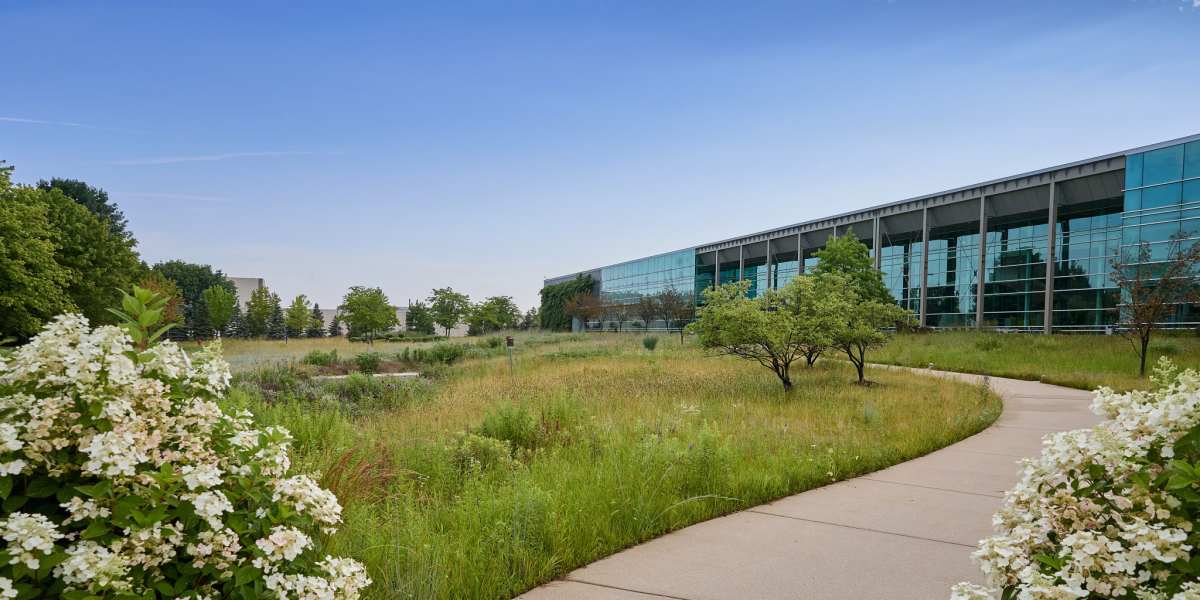
Steelcase is committed to invest in and enhance habitat protection. Examples of these programs include: (a) Restored and maintains a tall grass prairie on a 125-acre site at Corporate Development Center, native plantings and low-impact landscaping at the wood furniture manufacturing plant (LEED Certified); (b) creating a bioswale utilizing native plants at the company WorkLab (LEED Platinum Certified) in Grand Rapids, Michigan, USA; (c) low impact native landscaping at the company WorkLab in Schiltigheim, France. For more information see Operations & Facilities.
EN14 Strategies for Managing Impacts on Biodiversity View Response
By conducting life cycle assessments on key products, Steelcase works to understand the impacts of its products over their whole life cycle and uses that information to inform the development of new products. Recent life cycle assessments have included significant impacts - terrestrial ecotoxicity and aquatic ecotoxicity - two fields that are encompassed by the concept of biodiversity. Additionally, Steelcase partners with Purdue University in its hardwood improvement and regeneration research project to create faster growing, more sustainable and higher yield forestry. Another example of this is Steelcase's joint work with the Reforestemos Mexico foundation in the recovery of 80 acres of forest in Villa del Carbon, near Mexico City, by planting trees and assisting the community in the migration from farming. Steelcase is also a participant in the National Wildlife Federation's community wildlife habitat program, a commitment to protect the land and the communities surrounding its facilities. Refer to Lifecycle Stages (PR1) for more about Steelcase LCA work. For more information see Hardwood Tree Improvement & Regeneration Program.
EN16 Greenhouse Gas Emissions View Response
Since 2001, Steelcase's direct and indirect greenhouse gas emissions have been reduced by a total of 60%. After resetting its environmental footprint goals 2006, it reduced GHG emissions by 40%. For more information see the Global Environmental Metrics section of the Corporate Sustainability Report.
EN17 Relevant Indirect Greenhouse Gas Emissions View Response
Steelcase follows the protocols established by the U.S. Environmental Protection Agency's Climate Leaders Program to determine greenhouse gas emissions within the company's control. Steelcase continues to explore a broader scope of accounting and improved data collection methods and, until then, will not be able to report on this until there is improved accuracy. For more information see the Global Environmental Metrics section of the Corporate Sustainability Report.
EN18 Initiatives to Reduce Greenhouse Gas Emissions View Response
By reducing global energy consumption, Steelcase recognizes mirrored reduction goals in greenhouse gas emissions. Emissions have been reduced by 60% from 2001 to 2010. In 2006, Steelcase reset its corporate goals to reduce environmental footprint by 25%, resulting in 40% reduction. In addition, Steelcase supports the Wege Wind Energy Farm through the purchase of renewable energy credits.
EN19 Emissions of Ozone-Depleting Substances by Weight View Response
Nearly 20 years ago, Steelcase phased out all ozone depleting substances in the manufacture of its products.
EN20 NO, SO and Other Significant Air Emissions by Type and Weight View Response
For more information see the Global Environmental Metrics section of the Corporate Sustainability Report.
EN21 Total Water Discharge by Quality and Destination View Response
Steelcase facilities discharge to municipal waste water treatment systems. For more information see the Global Environmental Metrics section of the Corporate Sustainability Report.
EN22 Total Weight of Waste by Type and Disposal Method View Response
Steelcase tracks and reports according to the following categories: landfill, incineration, compost and recycle. For more information see the Global Environmental Metrics section of the Corporate Sustainability Report.
EN23 Total Number and Volume of Significant Spills View Response
There were no significant spills during the reporting period.
EN24 Weight of Hazardous Waste and Percentage of Internationally Shipped Waste View Response
For more information see the Global Environmental Metrics section of the Corporate Sustainability Report.
EN25 Water Bodies and Related Habitats Affected by Discharges of Water and Runoff View Response
Steelcase does not directly discharge wastewater to any bodies of water. Wastewater is discharged to the municipal waste water treatment systems in the geographies our facilities are located. Steelcase evaluates and controls the materials used in the manufacturing process to ensure that discharge does not contain substances of concern.
EN26 Initiatives to Mitigate Environmental Impacts View Response
Steelcase's approach to embedding sustainability into its business systems is holistic, research-based and measurable. Every step of the way – from design, manufacture, delivery and product life cycle – Steelcase considers the impact of its products and processes on human and environmental health. The company's product development process is based on three foundational platforms for sustainable design: materials chemistry, life cycle assessment and recycle/reuse. This strategy has led to the examination of the chemical composition – down to the molecular level - of more than 600 categories of materials spanning 60 product groups. Steelcase partners with multiple tiers of the supply chain to uncover the material makeup of products as well as to explore and optimize the life cycle impacts of its products including materials extraction, production, transport, use and end of life. With a focus on choosing the right raw materials and designing for disassembly, Steelcase facilitates a closed loop process. The Steelcase Phase 2 Program helps organizations reuse (donate), recycle or resell Steelcase products they no longer need, as well as products from other companies and industries. For additional information see the Sustainability section of the Steelcase website.
EN27 Percentage of Products and Packaging Materials that are Reclaimed View Response
Designing products for disassembly and recyclability is an embedded approach in Steelcase's product development process. It ensures that Steelcase products, packaging and components can be recycled or repurposed at the end-of-useful life. Steelcase also offers a convenient way for businesses to responsibly dispose of end-of-use furniture and equipment through the Steelcase Phase 2 Program. With options ranging from refurbishing and resale, to donation or recycling, Steelcase has helped extend the useful life of thousands of furniture products and millions of tons of raw materials, dramatically reducing the amount of product waste dumped into landfills.
EN28 Monetary Value of Fines and Total Number of Non-Monetary Sanctions View Response
It is a Steelcase Inc. policy to work in full cooperation with the agencies that regulate our business to ensure that it is compliant with applicable laws and regulations. As part of this full cooperation, Steelcase is routinely inspected by various regulatory agencies including the U.S. Environmental Protection Agency and agencies in other countries where we have operations. To support compliance efforts, Steelcase has dedicated internal compliance personnel who regularly conduct internal environmental reviews of operations as they relate to specific codes and regulations. Should internal reviews identify an item that is a compliance concern, it is Steelcase policy to voluntarily report that concern to the appropriate agency and then work cooperatively with that agency to resolve the matter. Occasionally, this voluntary proactive approach may actually trigger a notice of violation due to the way in which government regulations are structured. Public filings identify any situations that meet reporting thresholds required by the Securities and Exchange Commission. Recent filings with the SEC are available on the investor relations section of the Steelcase web site.
EN29 Significant Environmental Impacts of Transportation View Response
Steelcase utilizes a multi-faceted, systems approach to reduce the environmental impact of product transport and packaging. Our approach includes three fundamental objectives and associated initiatives: (1) Embed transport and packaging considerations into the product development process and the design of new products (examples: knock-down seating, on-site assembly); (2) Utilize efficient transportation methods to optimize distribution and reduce environmental footprint (examples: maximizing the utilization of space on our trucks, reducing fuel consumption with alternative modes of transportation including rail use, and focusing on route optimization and regional distribution facilities to minimize distance travelled); (3) Reduce or eliminate packaging wherever possible and replace traditional packaging materials with better performing sustainable materials (examples: blanket wrapping, on-site assembly, reducing mixed materials in packaging, biobased/compostable packaging). For more information see the Corporate Sustainability Report
EN30 Total Environmental Protection Expenditures and Investments View Response
Steelcase's business strategy is to systematically embed sustainable decision making and investments into all business systems. These investments are deeply embedded into the operations of the company and therefore cannot be reported by line item.

Human Rights

Section # Description Links
HR3 Total Hours of Human Rights Employee Training View Response
Eighty-one percent of all employees globally have received policy and compliance training, for a total of approximately 372,000 employee hours. Additionally, 61% of all employees have received sustainability training, for a total of 9,300 employee hours. Finally, 53% of all employees have received training on creating and maintaining a respectful work environment, for a total of 5,334 employee hours.
HR4 Total Number of Incidents of Discrimination and Actions Taken View Response
Per the Steelcase Global Business Standards, any reports of discrimination are investigated and resolved within 48 hours of the complaint. Calling the Steelcase Integrity Line (1-800-437-6167) enables employees to make anonymous reports.
HR8 Percentage of Security Personnel Trained in Human Rights Policies 100%
HR9 Number of Violations Involving Rights of Indigenous People None

Labor Practices and Decent Work

Section # Description Links
LA1 Total Workforce by Type, Employment Contract and Region View Response
Part-time employees represent 3.1% of the Steelcase global workforce. The global workforce includes 6,500 in North America, 3,000 in EMEA, 1,300 in Asia-Pacific, 100 in Africa, and 50 salaried employees in Mexico. The number of contract employees in the company is approximately 572.
LA2 Total Number and Rate of Employee Turnover by Age Group, Gender and Region View Response
Total percent of employee turnover by Gender Globally: Female: 8.7%, Male: 8.3%. Boomers: 5.3%, Gen X: 6.6%, Gen Y: 25%, Silent: 17.5%
LA3 Full-Time Employee Benefits View Response
Medical, prescription drugs, dental, vision, short and long-term disability, employee basic and supplemental life insurance, spouse and child life insurance, employee accidental death & dismemberment, spouse and child AD&D, flexible spending accounts for healthcare and dependent day care, education assistance, adoption assistance, employee assistance program, employee discounts, and 401(k) retirement plan are all available to full- and part-time employees of the company in the U.S.
LA5 Minimum Notice Periods Regarding Operational Changes Ninety days
LA6 Percentage of Total Workforce Represented by Worker Health and Safety Committees Every Steelcase manufacturing facility has one or more safety committees.
LA7 Rates of Injury, Lost Days and Fatalities In North America, Steelcase had an OSHA Recordable Frequency rate of 4.29. The lost time rate was 0.56 and no fatalities were recorded during the reporting period.
LA8 Educational Programs in Place Regarding Serious Diseases View Response
This year Steelcase implemented a new wellness program in partnership with the Mayo Clinic. Each employee has the ability and is encouraged to visit the Steelcase dedicated site for additional information on disease prevention and provided the opportunity to win wellness rewards for accomplishing health-related goals.
LA10 Average Hours of Employee Training View Response
Average hours of training per year per employee by employee category based on three year range:

1st/Mid Level Officials & Mgrs 4.10
Craft workers (skilled) 1.67
Executive/Senior Level Officials & Mgrs 5.69
Laborers (unskilled) 1.00
Office and clerical 2.06
Operatives (semi-skilled) 1.19
Professionals 3.35
Sales workers 6.53
Service workers 1.56
Technicians 1.71
LA11 Programs for Skills Management and Lifelong Learning Seventy-eight courses
LA12 Percentage of Employees Receiving Career Development Reviews Annual performance reviews were given to 98% of salaried employees.
LA13 Diversity of Governance Bodies and Workforce Steelcase operates in full compliance with the US Department Of Labor – Office of Federal Contract Compliance. AAP and EEO-1 documents are filed annually with the Department.
LA14 Ratio of Men to Women by Employee Category Steelcase routinely assesses discrepancies in compensation with the intent of meeting both legal requirements and corporate values regarding equal pay.

Society

Section # Description Links
SO1 Programs and Practices that Assess and Manage Impacts of Operations on Communities View Response
Both Steelcase and the independent Steelcase Foundation utilize a process to assess the priority and value of gifts provided. The Steelcase Foundation offers human services, health, education, community development and arts and education. The foundation provides assistance to a broad array of organizations.
SO2 Business Units Analyzed for Corruption Business units are regularly analyzed by the corporate global trade compliance division.
SO3 Employees Trained in Anti-Corruption Policies and Procedures The company has just released a new Global Business Standards (GBS) training program. Therefore, the current percentage of completions is 12.92%. In Fiscal Year 2010, 81% of all employees had completed the company's GBS training.
SO4 Actions Taken in Response to Corruption We are not aware of any significant corruption issues occurring during this period.
SO5 Public Policy Development and Lobbying Steelcase actively lobbies for public policy issues that impact Steelcase at local, state and federal levels in the United States.
SO6 Total Value of Donations to Politicians and Political Parties None
SO7 Total Number of Legal Actions for Anti-Competitive Behavior None
SO8 Value of Fines and Non-Monetary Sanctions for Legal Non-Compliance None

Product Responsibility

Section # Description Links
PR1 Life Cycle Stages in which Health and Safety Impacts are Assessed for Improvement View Response
By conducting life cycle assessments on key products, Steelcase works to understand the impacts of its products over their whole life cycle and uses that information to inform the development of new products. Partner universities such as Technical University of Denmark, University of Michigan and Stanford University aide in the review and completion of product life cycle assessments. In Europe, the independent verification of the environmental declarations (EPD – ISO/TR 14025) is carried out by the Technical University of Denmark. In North America and Asia Pacific, Steelcase provides Product Environmental Profiles. The majority of Steelcase systems and seating products carry the SCS Indoor Advantage certification, an independent third party certification for low-emitting products.
PR5 Practices Related to Customer Satisfaction View Response
As the global leader in its industry, Steelcase is focused on ensuring employees understand the importance of meeting and exceeding customer expectations.  Therefore, the company surveys existing customers through a Customer Experience Measurement (CEM) program, partnering with dealers who represent Steelcase in their markets, to gather feedback. In addition to the CEM program, Steelcase conducts an annual survey of customer project wins and losses. By surveying both, Steelcase is able to learn and understand what is most important to customers. Additionally, it helps Steelcase identify areas where customers are very satisfied with performance as well as determines areas for improvements. Steelcase also surveys dealer partners on an annual basis for feedback on its performance as a partner.  Steelcase shares all results directly with employees.
PR6 Adherence to Codes Related to Marketing Communications View Response
Steelcase communications are prepared in consultation with environmental technical and regulatory specialists knowledgeable of the Federal Trade Commission, Environmental Protection Agency, and other global regulatory standards, accepted practices and requirements for such communications. Communications are submitted to the Steelcase legal department where they undergo an additional review to ensure technical accuracy and conformance with regulatory standards and guidelines.
PR8 Breaches of Customer Privacy and Losses of Customer Data None
PR9 Monetary Value of Fines for Non-Compliance None

Economic

Section # Description Links
EC1 Direct Economic Value Generated and Distributed Steelcase employees donated over 10,000 hours of services -- approximately $480,000 in equivalent time.
EC4 Financial Government Assistance View Response
Government assistance comes in many forms and from many agencies. A couple of examples where Steelcase has received benefit include: Medicare subsidies covering a portion of retiree prescription drug costs, research tax credits, fuel tax credits, property tax credits, enterprise zone exemptions, and property tax abatements.
EC5 Ratio of Entry Level Wage to Local Minimum Wage Steelcase pays entry level wages that are equal to or exceed the local legal minimum wage at the significant locations of operation.
EC7 Procedures for Hiring from the Local Communities of Significant Operations Each location has identified local sources for recruitment purposes based upon geographic location, demographics, and skills needed.
EC8 Infrastructure Provided for Public Benefit Steelcase actively supports community economic and workforce investment organizations that support creating a better community and stronger workforce.
EC9 Significant Indirect Economic Impacts Steelcase contributes the maximum allowed by law in the areas of economic development, arts, health, education, and diversity.