
5 Ways Screens Drain Our Wellbeing and What To Do About It
Earlier this year, Toyoake, a town of 69,000 people in Japan, drew global attention when leaders proposed limiting the time people spend on their smartphones to two hours a day in the name of better health. The move may seem drastic, but it reflects a growing concern about the amount of screen time people experience in their lives. With artificial intelligence speeding up the pace of tasks, reshaping daily routines and changing how we interact, the question is no longer whether technology impacts our wellbeing, but how deeply – and what to do about it.
Here are five ways our growing use of screens — and the AI tools embedded in them — is impacting our wellbeing at work.
1. Convenience erodes connection
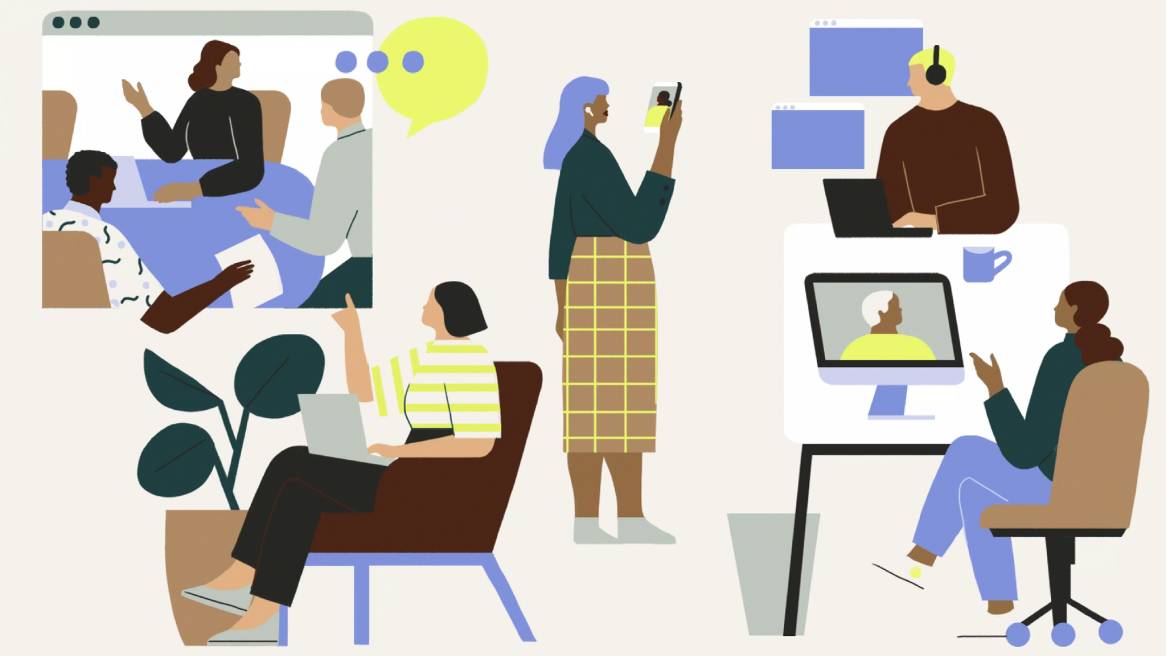
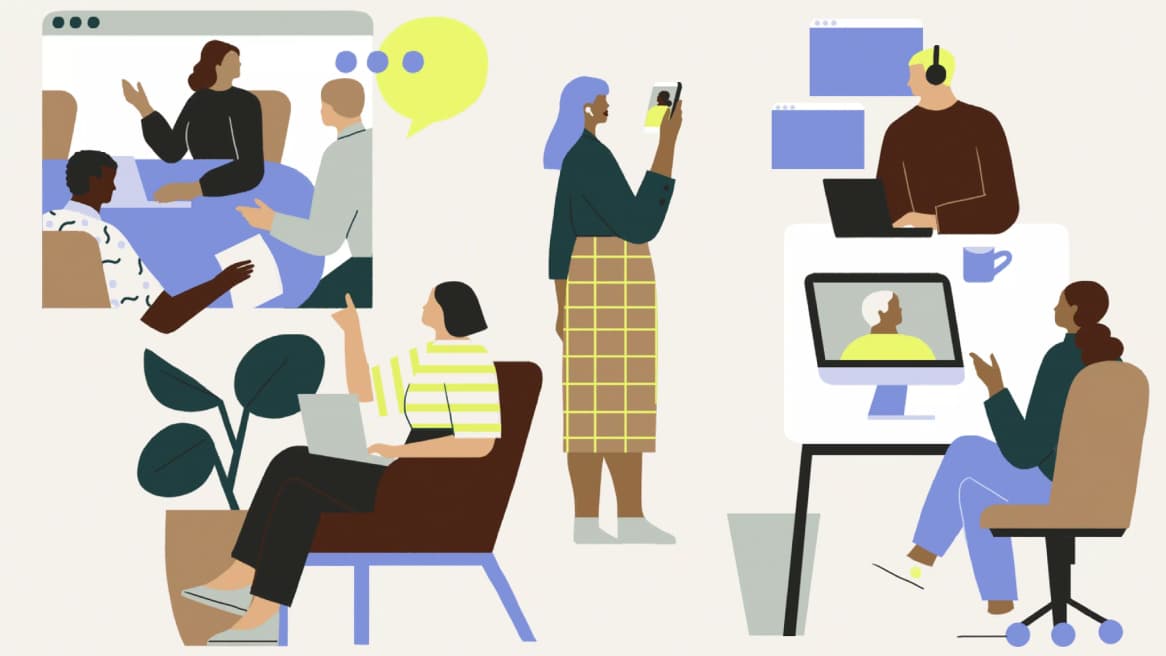
Most meetings are now screen-based, with over half including at least one remote participant. For convenience, many employees don’t even leave their desks to collaborate in person — 50% take video meetings right where they sit. The result? People are spending more time “living on screen” and less time building the kind of in-person connections that strengthen trust and culture, which only adds to the feelings of loneliness people report today. Convenience, it turns out, is crowding out connection.
2. Attention spans shrink
In 2007, the year the iPhone launched, the average attention span on a task was two-and-a-half minutes. Today, it’s a mere 47 seconds! Employees are interrupted by a meeting, email or ping every 2 minutes, on average, according to the Microsoft 2025 Annual Work Trend Index. Researchers say our brains pay a heavy price: Constant switching leads to stress, errors and slower performance. Psychologists call it the “switch cost,” but most of us just know it as exhaustion at the end of a day spent toggling between tabs, chats and meetings.
3. AI strains our brains
The explosion of AI-based tools is changing work as profoundly as the smartphone once did. Its promise is to improve productivity and efficiency, yet it’s also cognitively demanding. “It’s a way [of working] that strains the brain a lot more…you’re thinking all the time,” says Thomas Seitz from the McKinsey Health Institute. Employees who consider themselves frequent AI users report higher levels of burnout (45%) compared to those who infrequently (38%) use AI at work (Quantum Workplace, 2024). It’s still early in the AI era and interactions with it may shift from being mostly screen-based to other forms of input, like verbal commands. In the meantime, it requires more screen time than ever before.
4. Multitasking undermines collaboration
If you’ve ever answered emails during a Zoom call, you’re not alone — 55% of employees say they multitask and 39% admit to dozing off during screen-based meetings, according to research from QUIXY, an enterprise automation firm. But the data shows it’s not harmless: Multitasking raises stress levels and makes people less engaged. Cameras off? The problem gets worse. The very tools meant to enhance collaboration often dilute it instead.
5. More screen time, less movement
It’s not just our minds paying the price. As people spend more time doing screen-based interactions, they’re less likely to get up and walk to meetings or go chat with a co-worker. Due to the lack of movement, many office workers remain sedentary for most of their workday. That kind of immobility is linked to everything from musculoskeletal issues to chronic disease. When nearly every task — from brainstorming to casual check-ins — happens on a screen, movement disappears from the workday.
Design spaces to prioritize wellbeing
The Japanese town of Toyoake may not succeed in keeping its citizens off their smartphones for 22 hours a day, but its experiment points to a question workplaces can no longer ignore: How do we design workplaces that prioritize wellbeing in a world where screens and AI are everywhere?
Banning technology won’t work, but balancing it will. Conference rooms can be designed to create a better collaboration experience between in-person and remote participants, so everyone can be seen and heard. Social spaces and rejuvenation areas can give people places to gather or experience solitude, either without screens or with unobtrusive technology. Steelcase’s Community-Based Design approach recommends providing a range of spaces — quiet zones for focus work and rejuvenation, high-performing spaces for collaboration and learning, and vibrant social spaces where people want to connect face-to-face. Being aware of the impact of increased screen time helps designers create places that help employees thrive in this new era. By giving people choice and control over where and how they work, organizations can provide workplaces that help keep people mentally and physically healthy, so they can do their best work.