
Designing Comfort Into Care, Everywhere
How the Apprise Collection authentically helps healthcare feel more human
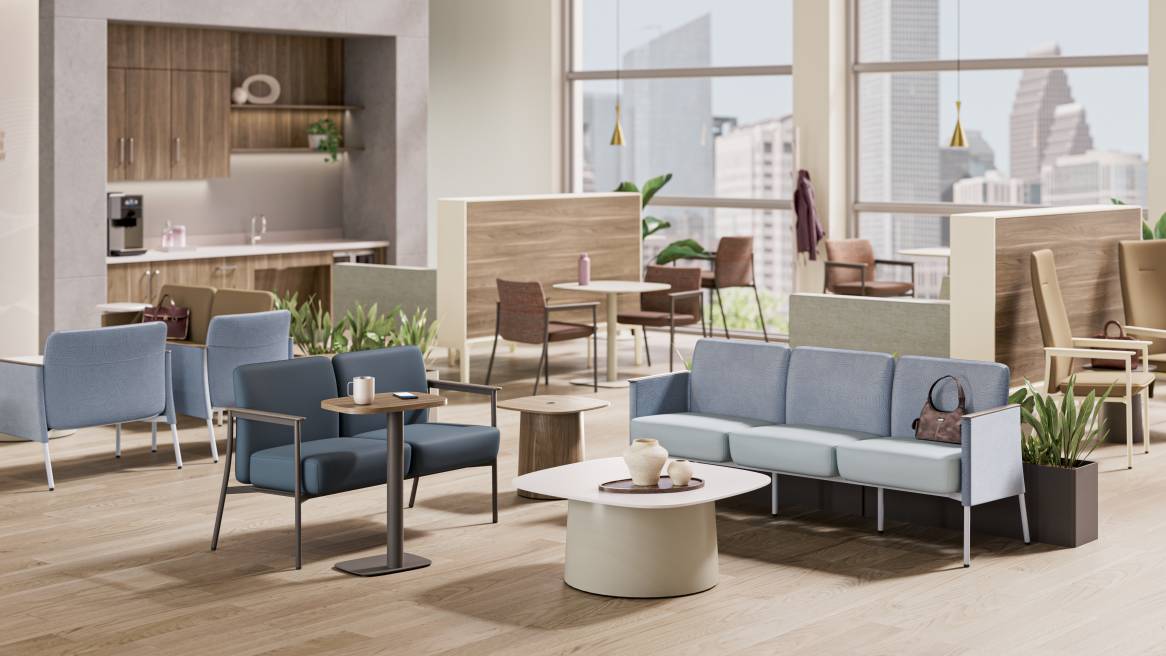
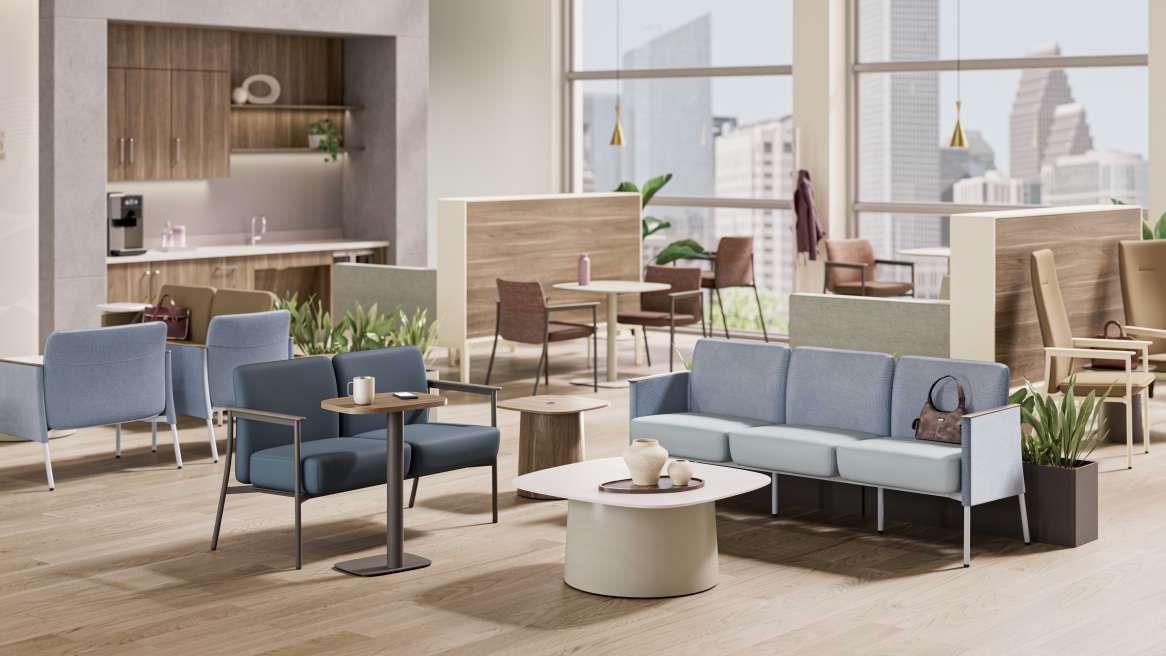
If you’ve spent time in a hospital or clinic lately, either as a patient, a family member, or even a clinician, you know the experience isn’t defined only by the medical care you receive. It’s shaped by everything around it: the waiting, the uncertainty, the long stretches of time when you’re not sure what’s coming next.
Steelcase research makes this clear. People aren’t waiting only in waiting rooms. They’re waiting in exam rooms, patient rooms, hallways, transition zones and family spaces. And in all those places, they want to feel safe, welcomed and valued.
When waiting happens everywhere, a new design challenge exists: how do you make care feel comfortable and consistent across an entire healthcare journey, not just in one room?
.
Designing for care
When Steelcase set out to design a new approach to healthcare furniture, designers didn’t begin with sketches or aesthetics. They began by conducting research to better understand people’s pain points.
We knew it was important to learn from the people who understand healthcare best. So we traveled the country, talking with patients, their families, and the architects and designers shaping these spaces
John AllenSteelcase Designer
What they heard from the research was consistent and honest.
Patients said the spaces around them felt cold or institutional. Families said they didn’t feel comfortable settling in for long stays. Facilities managers said they needed patient room furniture that could survive heavy use, constant cleaning and shrinking footprints. Clinicians said they needed spaces that supported connection, not just efficiency.
Specific moments stuck with the design team.
“Some patients told us, ‘Not only is the furniture uncomfortable, but I don’t feel like this is a place where I can heal,” says John Allen, the Steelcase designer who led the project.
That became a turning point. If the environment itself is working against comfort, reassurance and dignity, then the care experience is compromised, even before a clinician walks into the room.
Comfort as a clinical need – not a luxury
Healthcare environments are under enormous pressure. Aging populations, behavioral health needs, staffing shortages and tighter budgets all shape the daily reality of care. But even with those constraints: people heal better when they feel at ease.
Steelcase Health research found patients want spaces that:
- Lower anxiety
- Support privacy and a sense of control
- Provide seating that fits different bodies and different family groupings
- Include places to plug in a device, read a book or simply sit without feeling exposed
- Create a consistent experience, starting in the lobby and throughout the entire journey
.
Consistency matters more than a single moment
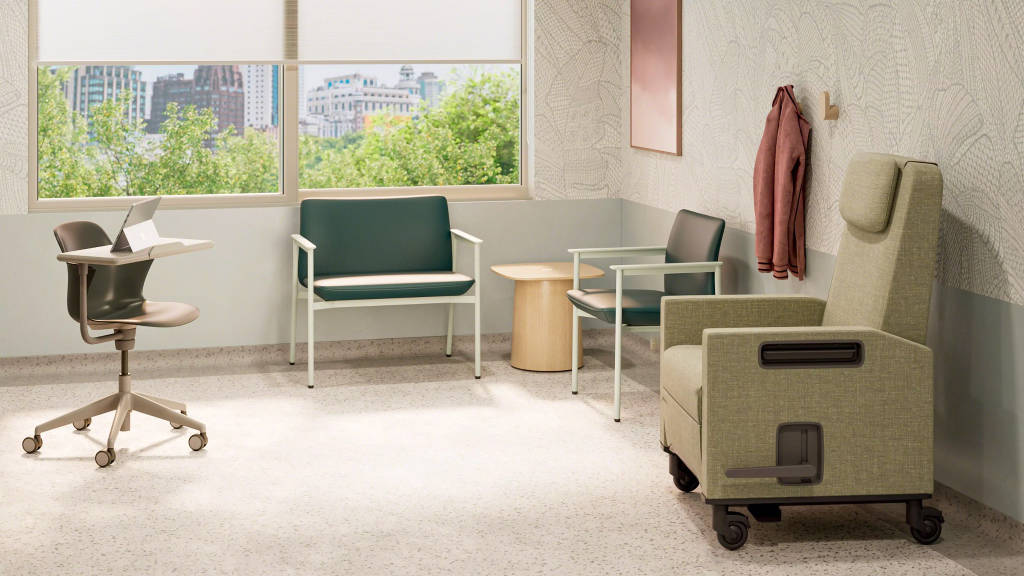
One of the big takeaways from the research was the disjointedness of healthcare spaces. The main waiting area might feel polished and comfortable, but then you’re sent to a sub‑waiting area or exam room that feels like an afterthought. That inconsistency creates discomfort. And people feel it.
Designers developed the Apprise Collection to create a unified experience across the entire care journey.
.
.
“Consistency matters. When the furniture feels familiar from one space to the next, people feel more grounded,” Allen explains. “When the forms, materials and comfort cues carry through, the environment feels intentional — not pieced together. It’s the difference between a space that feels like a series of stops and a space that feels like a journey.”
.
Comfort without sacrificing performance
Of course, comfort alone isn’t enough. Healthcare spaces are demanding. Furniture has to withstand constant cleaning, heavy use and the realities of clinical care. But the design team didn’t want performance to come at the expense of warmth.
So they blended the two.
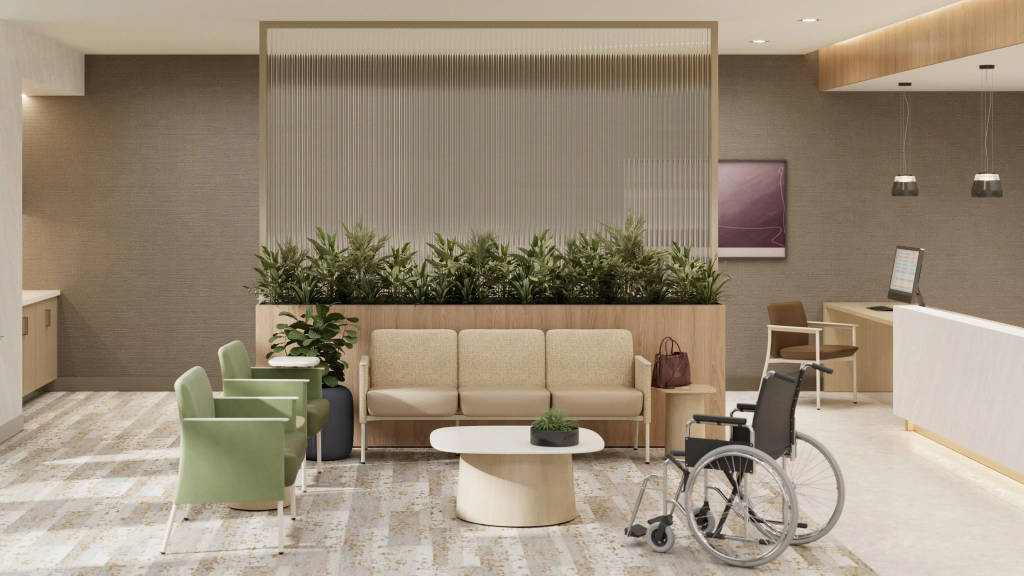
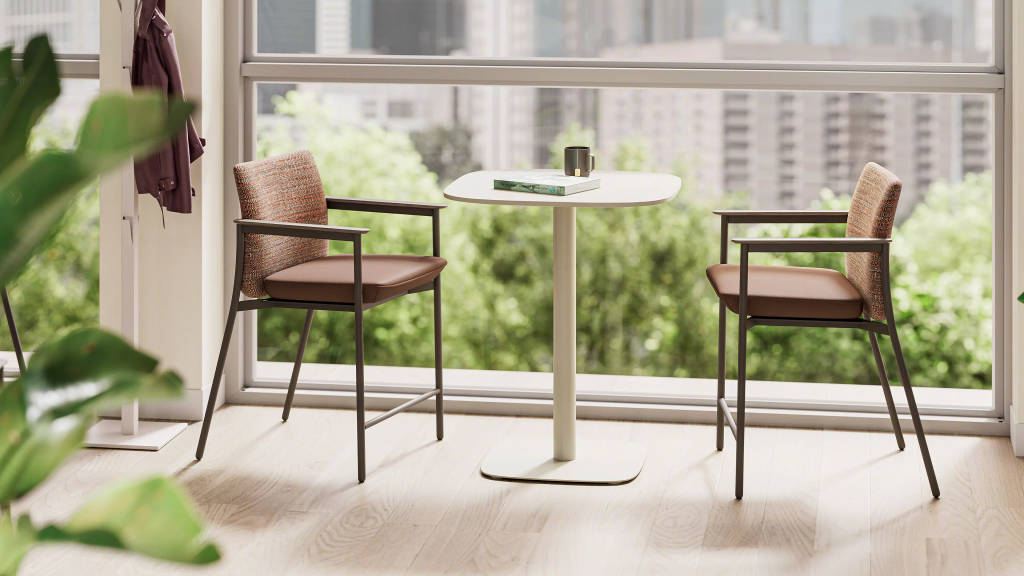
“We took inspiration from things at home,” Allen says. “We sculpted our cushions to mimic the comforts you would find in a pillow. The backs are curved to support and hug you.”
They rounded the edges, softened the silhouette, and pushed the frame inward so the cushions appear to float. “There’s roundness and softness; less rigidity or boxiness,” Allen adds.
.
.
At the same time, they built in the practical details healthcare teams need: wall‑saver legs, moisture barriers, welded steel frames and a patent‑pending construction that allows cushions to be replaced on‑site. Comfort and performance weren’t treated as trade‑offs, but rather complementary must-haves.
.
.
Flexibility isn’t optional
Healthcare spaces change constantly. Rooms serve different needs, and waiting areas expand or contract. Family needs can vary by the hour. Facilities teams expect furniture to adapt without feeling temporary or mismatched.
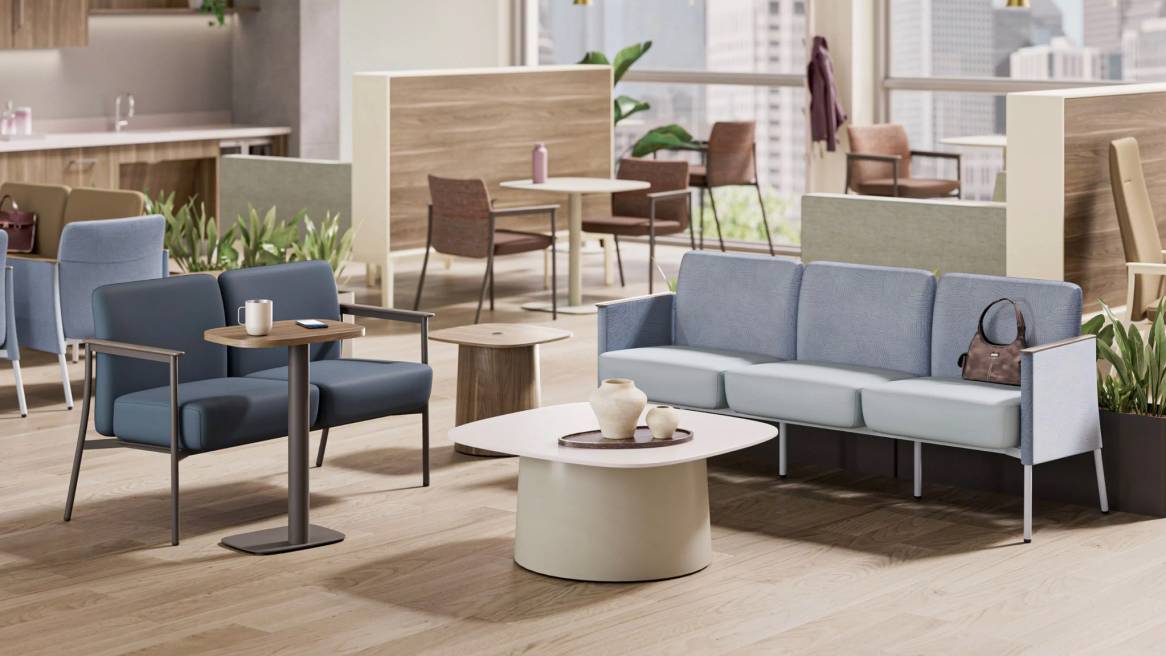
Apprise was built as a complete collection for that reason. Guest seating, lounge seating, gliders, and tables are all designed to work together. Pieces can be rearranged, reconfigured or refreshed without disrupting the overall aesthetic. And because the furniture is similar across the entire line, the space always feels connected.
.
.
A more human experience
At its core, designers created Apprise with the belief that healthcare spaces should help people feel cared for, not just processed. Care environments should support dignity, calm and connection.
As Allen put it, “The Apprise Collection embodies our belief that with better design, we can help create comforting environments that enhance the healthcare experience for everybody engaged in care.”