For years, retail bank design has focused on what customers see. Now, our research expands the story—revealing how employee spaces behind the scenes play a critical role in shaping every client interaction.
Shifts Reshaping Retail Banking

Designing for Privacy, Safety, and Clarity
Branches must feel secure and transparent at every step. Spaces that convey trust and professionalism reinforce confidence and create lasting relationships.

Omni-Channel Experiences
Clients expect branches to blend seamlessly with digital. Spaces must integrate technology that supports both quick self-service and hybrid consultations, ensuring choice and flexibility

Human Connection + Wellbeing
Branches are no longer purely transactional — they must feel warm, local, and inviting. Environments that nurture client connection while supporting staff wellbeing create spaces where people thrive.
 Open image tooltip
.
“Client experience doesn’t start at the teller or consultation desk—it starts with how supported employees feel before they engage customers.”
– Retail Bank Executive
Emerging Trends in Branch Design
As client expectations rise and staff needs intensify, five emerging trends point to how branches can adapt. These trends show what it takes to create retail banking spaces that are flexible, welcoming, and ready for the future. Here are five ways branch design can help you respond with confidence.
Support Choice & Control
Help clients navigate with ease
through digital check-in, wayfinding,
and appointment booking.
Elevate Staff Wellbeing
Give frontline employees spaces to
recover and manage the demands
of their work
Invite Collaborative Exchange
Shift from transactional to relational
with spaces that support staff–client
collaboration.
Adaptable Design for Scalability
Modular elements help branches adapt across
floor plans while ensuring consistency and
value.
Activate Technology for Connection
Use intuitive tools that support hybrid and in
person conversations with equitable access
to information.
Design Typologies in Action
From these shifts, our research identified design principles that guide the future of bank branches. Together, they create environments that balance efficiency with relationships and evolve with client needs
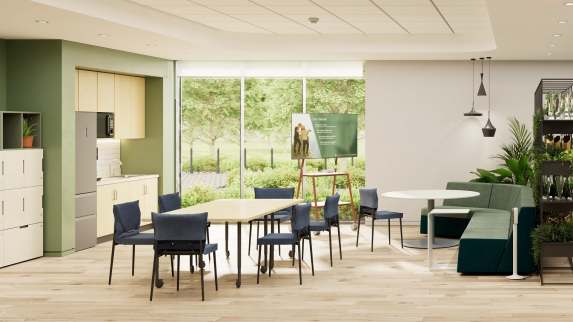
Breakroom
A shared space designed for pause, connection, and everyday comfort. Whether for quiet moments alone or informal time together, the breakroom gives employees a place to reset between interactions—supporting energy, morale, and sustained performance throughout the day.
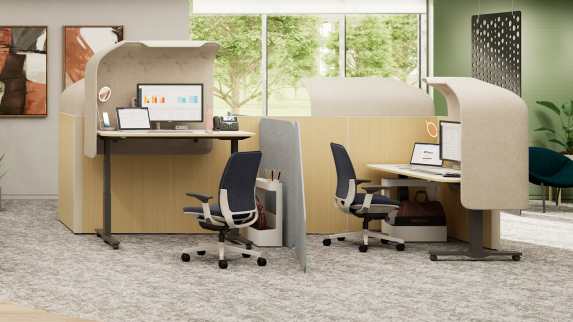
Admin Zone
A focused workspace that supports the unseen work behind every client experience. Designed for concentration and adaptability, the admin zone enables employees to move fluidly between heads-down tasks, virtual service, and branch operations—without losing rhythm or focus.
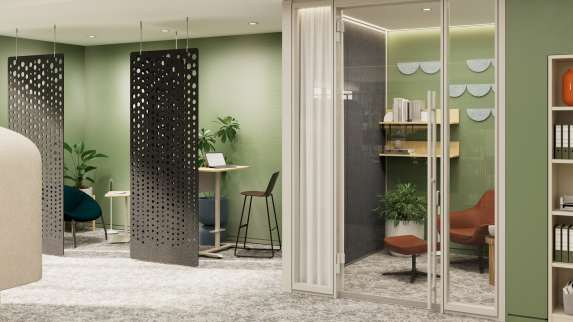
Rejuvenation Space
A private, restorative space that supports dignity, privacy, and mental wellbeing. Positioned near admin zones to allow easy access without disruption, it offers a calm environment for moments of reset, with thoughtful separation, controlled access, and subtle cues that protect focus, comfort and respect.
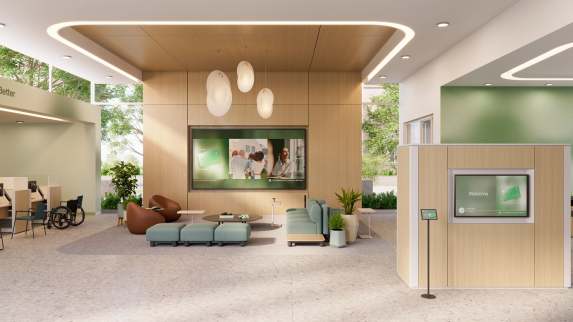
Welcome Zone
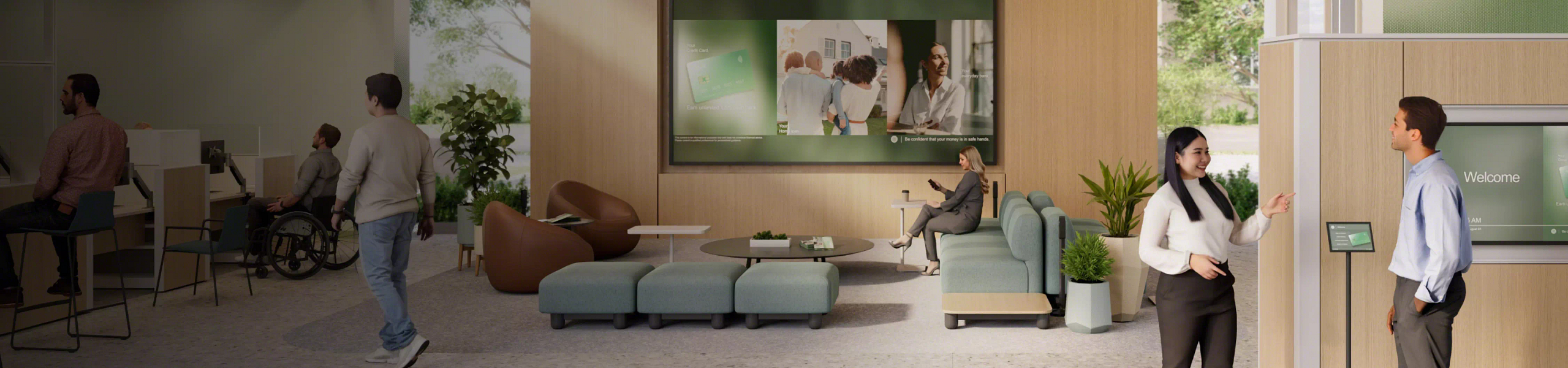
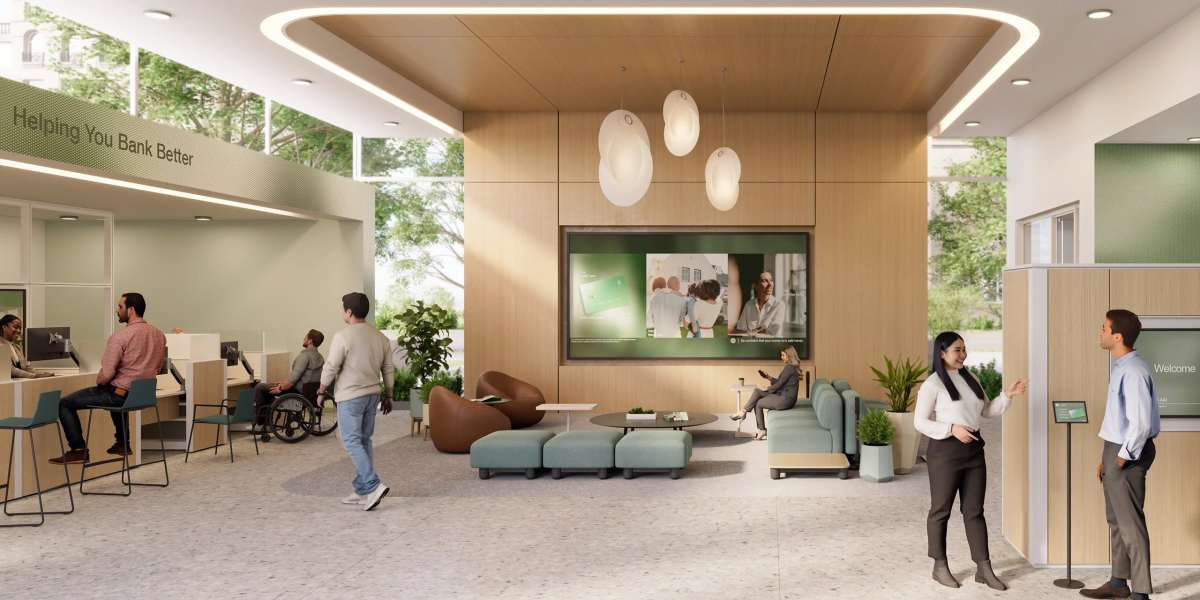
The first impression matters. During everyday banking hours, this space functions as a welcoming entry that orients clients the moment they arrive. Digital check-in and intuitive wayfinding reduce uncertainty, while warm details — from lighting and signage to small hospitality touches — signal safety, trust, and professionalism.
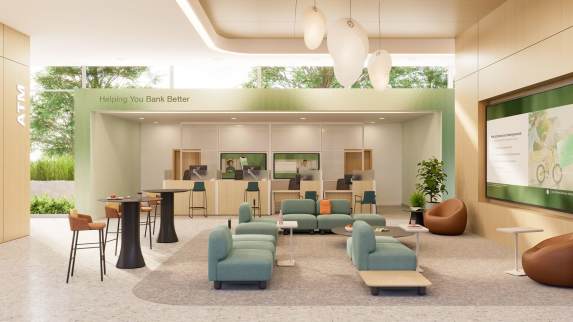
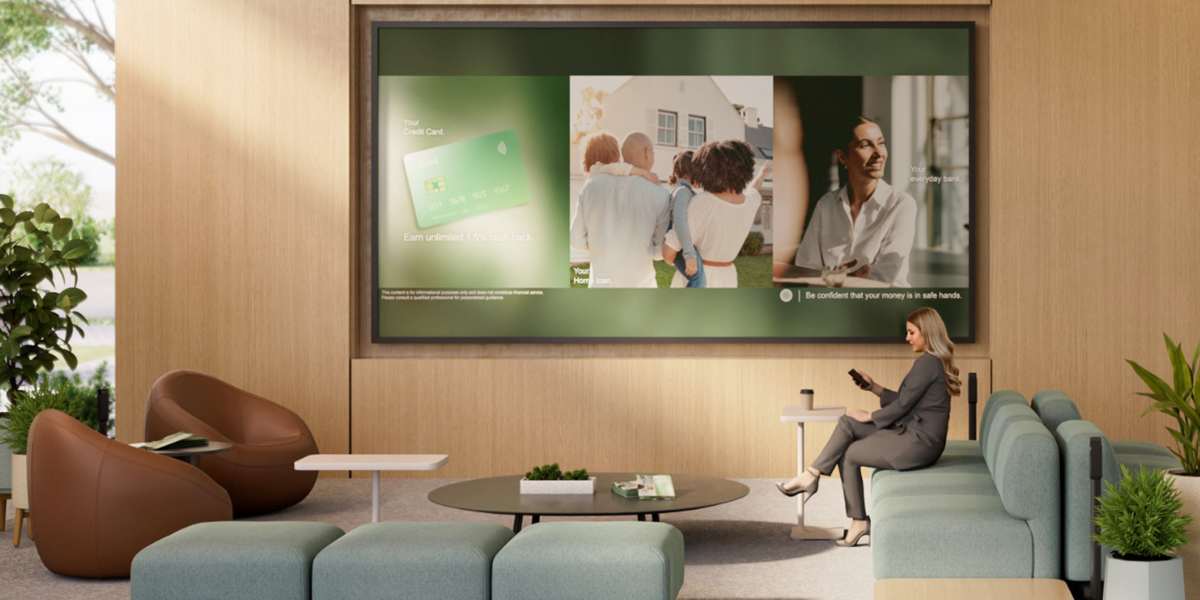
Lounge
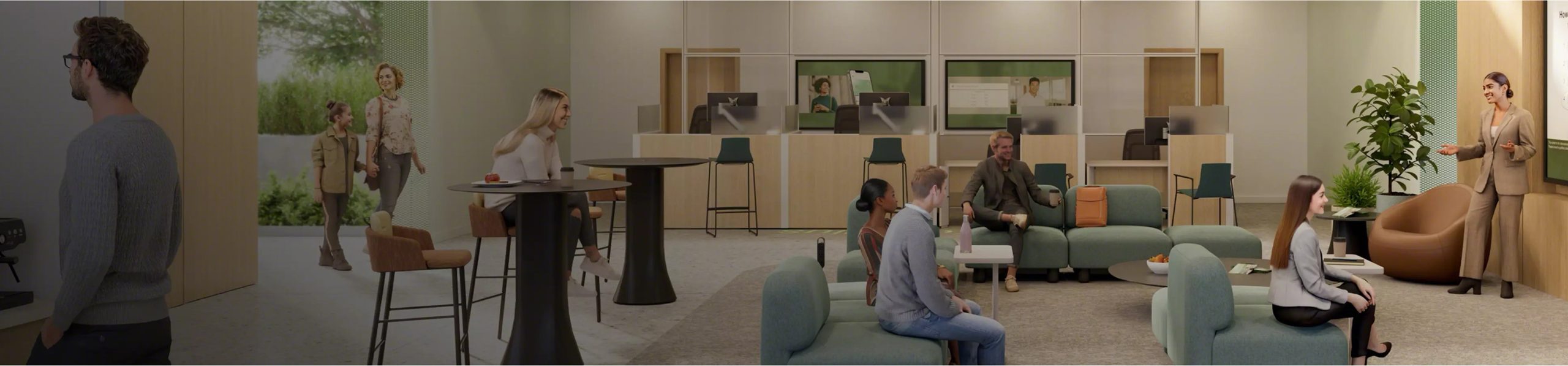
More than a waiting area, the lounge activates the open plan as a multi-use environment. Employees, customers, and community members can meet, focus, or learn in a space designed to support different postures and activities. Hospitality-inspired details paired with immersive brand storytelling turn downtime into opportunities for engagement and connection.
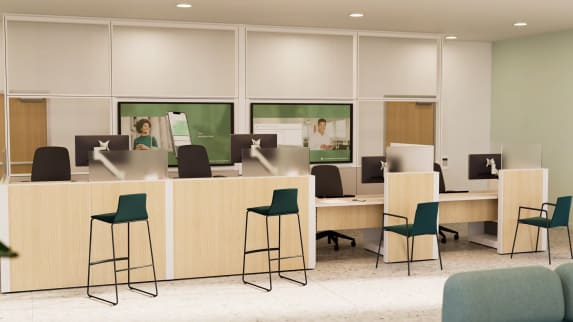
Teller Zone
Designed for speed and security, teller areas blend efficiency with care. Configurations move
away from rigid lines, instead creating approachable layouts that protect acoustic and visual privacy. Flexible furniture supports scalable branch formats, while adjacent “step aside” spaces give staff the chance to decompress and recharge.
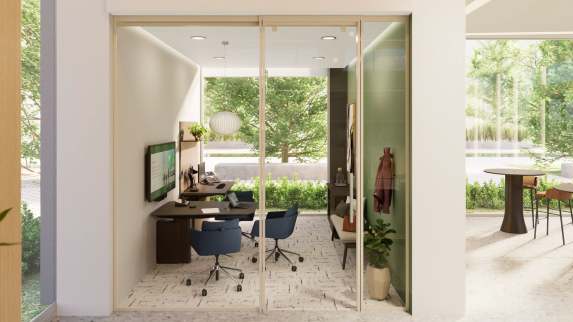
Consultation Zone
Private rooms designed for meaningful, advice-driven conversations. Thoughtful layouts encourage side-by-side collaboration and equal participation. Hybrid-ready tools connect in- person and remote clients with ease, while warm materials and natural elements build comfort and trust.
 Open image tooltip
Designing Banks That Put People First
Digital tools make banking easier, but people still need human interactions.
Modern banks are transforming branches into spaces that feel safe, personal
and supportive.