
Finding Balance in a Screen-First Workday
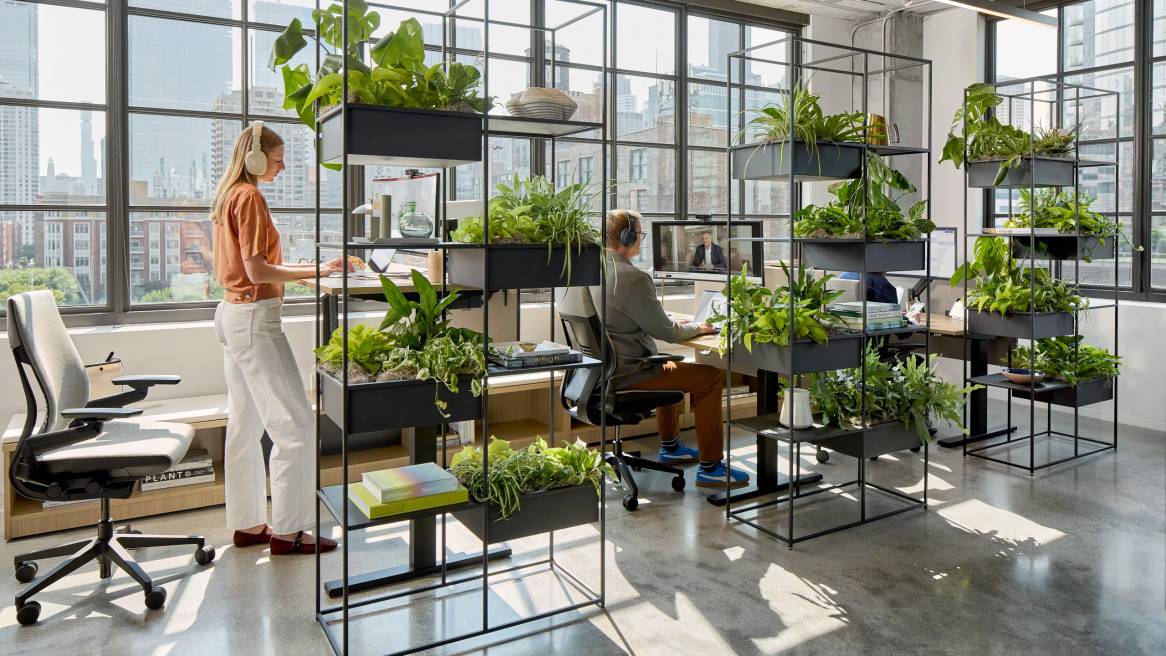
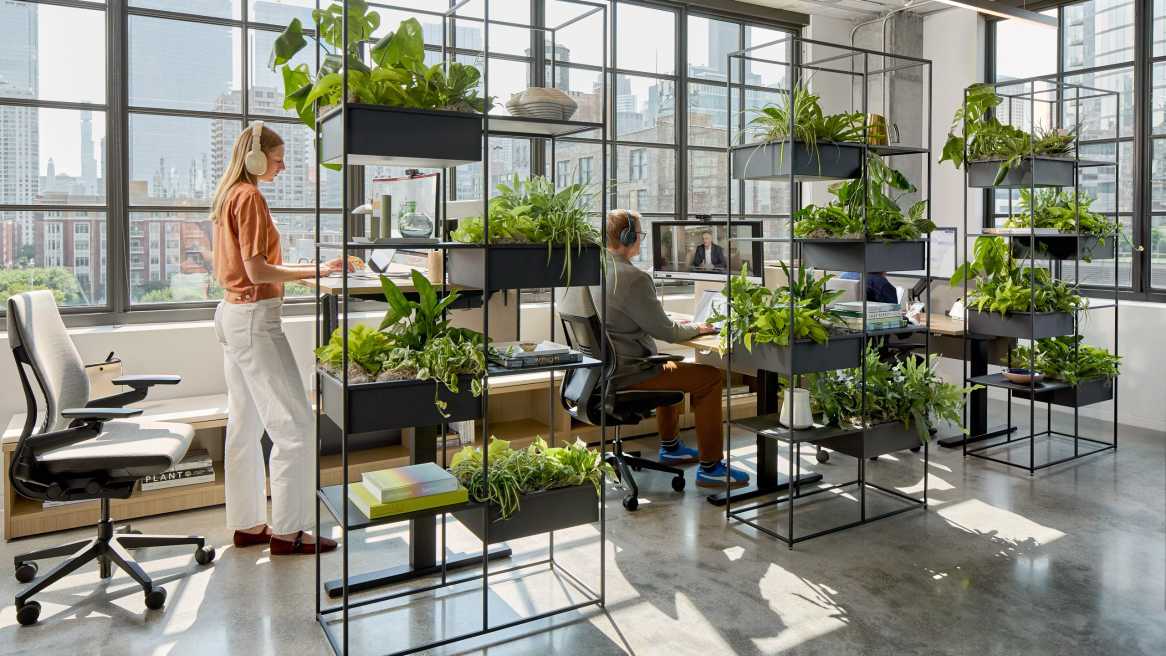
Work today is shaped by screens. Video calls, digital chats, shared documents and AI tools now mediate much of how people collaborate, even when they are physically together in the same office. According to a 2025 Steelcase global study, 85% of people say they have some meetings that involve at least one remote participant, signaling hybrid work is here to stay.
This shift has brought undeniable benefits. Technology expands access, enables flexibility and makes it easier for teams to work across time zones and locations. Work can happen faster, more inclusively, and in many cases, more efficiently. But, as screen-based work has increased, some new habits and routines have also crept in that need to be understood and addressed in the workplace.
Screens reshape the workday and fragment attention
Modern work is no longer bounded by office walls or traditional hours. Microsoft researchers describe an “infinite workday,” marked by frequent interruptions and extended activity into early mornings and evenings. Steelcase research confirms this. 64% of respondents conduct moderate to significant amounts of work outside normal work hours. Digital tools now intrude on moments that once allowed focus and recovery. Screen-based tools allow work to move faster. But speed comes at a cognitive cost. Research by Dr. Gloria Mark at the University of California shows attention spans have shrunk from 2.5 minutes in 2007 to just 47 seconds today. Workers are interrupted roughly every two minutes by emails, meetings or messaging pings. Constant task-switching increases stress, slows thinking and leaves employees drained. Fragmented attention has real costs, psychologically and cognitively, stifling deep thinking and adding stress.
More screen time, less movement
People now spend 59% of their total working time on screens — a combination of both individual and collaborative work — according to Steelcase research. That share increases to 71% when they’re working alone.
59%
of total working time is spent on screens
As screen time increases, movement drops. Walking to meetings has been replaced by hours of sitting and taking calls at desks. Yet studies show that physical movement boosts cognitive performance, so less movement leads to reduced focus and creativity. Prolonged immobility is also tied to musculoskeletal problems and chronic disease.
Screens strain our brains
The rapid spread of AI tools is reshaping work. Used well, AI can streamline tasks and accelerate decision-making. But it also increases cognitive load. “It’s a way [of working] that strains the brain a lot more…you’re thinking all the time,” says Thomas Seitz from the McKinsey Health Institute. People who say they frequently use AI report higher levels of burnout (45%) compared to only 38% who use AI infrequently (Quantum Workplace, 2024).
Video calls also contribute to that strain. Research on video conferencing fatigue shows that the brain works harder during virtual interactions, processing flattened facial cues, slight audio delays and reduced body language. This heightened cognitive effort can lead to mental exhaustion, irritability and reduced concentration.
Convenience is replacing connection
Steelcase research found that 39% of people take video calls at their desks, even when coworkers are close by. But only 19% say that’s their preference. For most, it’s not a choice — it’s the easiest or only option. Meeting rooms aren’t available, calls are scheduled back-to-back, and staying put feels more practical. Over time, that convenience comes at a cost: fewer shared moments where relationships can form naturally, eroding culture and trust and contributing to loneliness. Convenience, it turns out, is crowding out connection.
When screens help — and when they don’t
Screens are not the enemy. The problem arises when screens are asked to do everything. They excel at sharing information and coordinating across distance. They struggle with trust-building, mentoring and creativity. In response, some organizations are rethinking how technology and space can work better together. This reflects a growing recognition that screens and physical space must work together.
Offices that work well today offer choice and balance technology with human needs, while encouraging people to move throughout the day. They provide spaces for video calls that don’t isolate people, hybrid meeting environments where in-person and remote participants can participate equally, areas for quiet focus without interruption, and inviting places that encourage informal, face-to-face interaction. They are also seamlessly embedding technology into spaces, so it’s no longer a barrier but a bridge between people.
Reclaiming what screens can’t
Work will continue to happen on screens. That reality isn’t changing. What can change is how offices support people alongside technology. Workplaces that adapt best are reclaiming the office for what screens can’t provide: movement, presence, face-to-face connection and shared experience.