
Connecting to Culture
How one company uses the workplace to bring distributed teams closer together
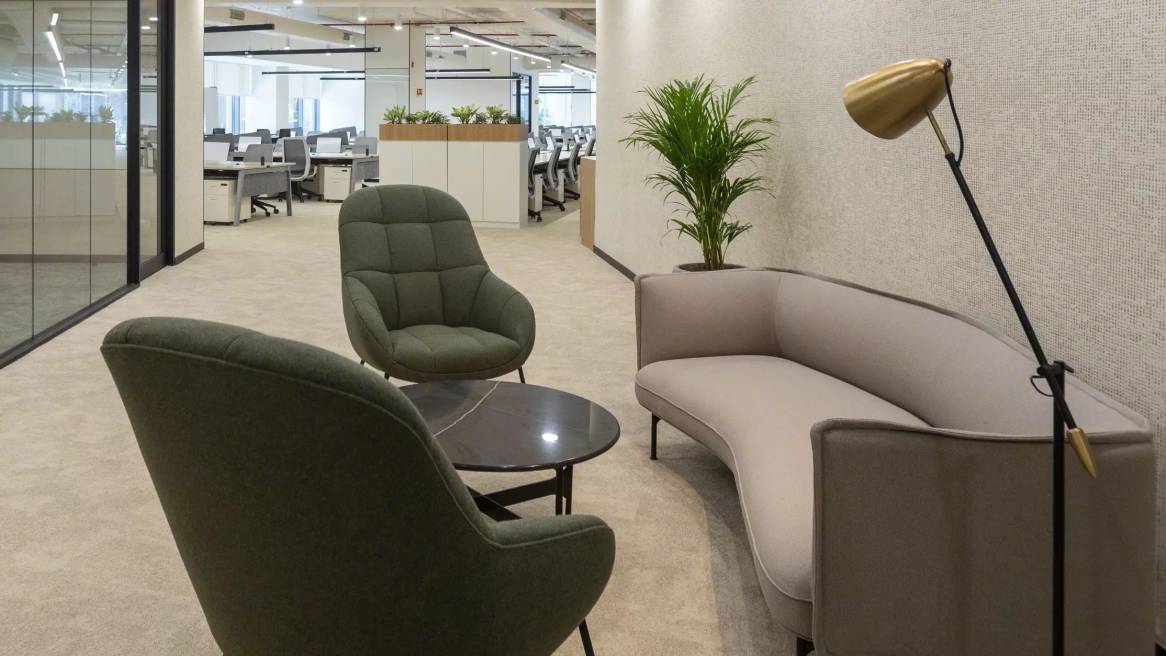
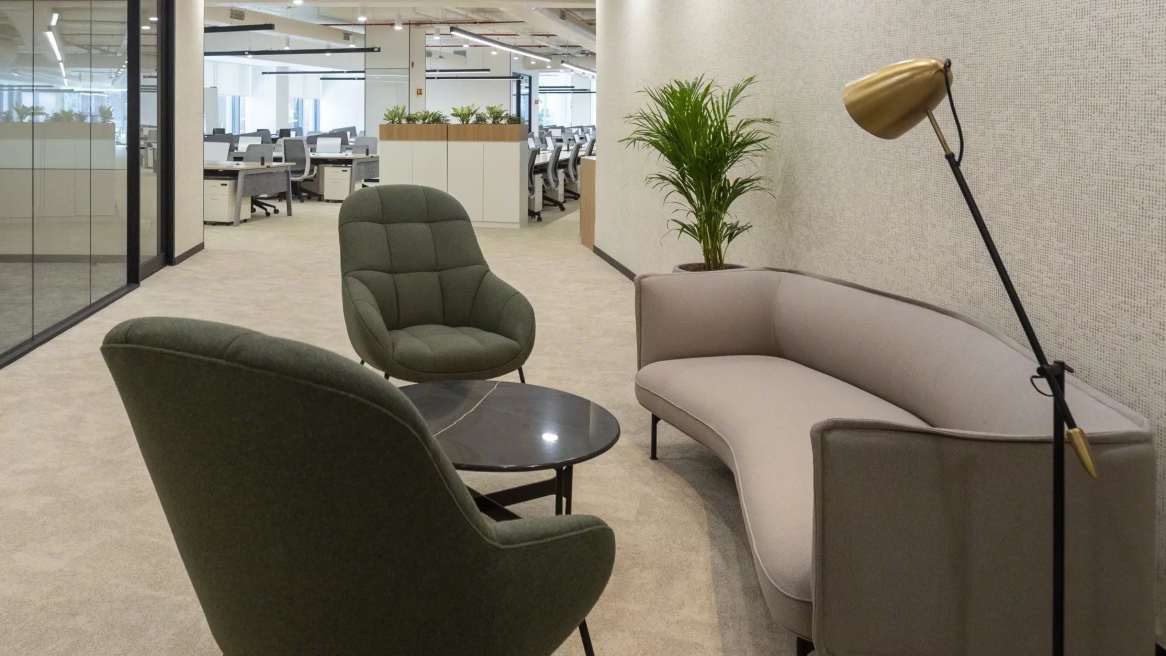
What is the purpose of the office? This question has been a hot topic of conversation over the past few years in the media, and among business leaders who are continuing to make significant investments in space to reimagine how it can better support people who are now working so differently. Among the challenges is the rise in distributed work and the impact it is having on companies’ cultures.
“Global organizations need to help employees understand the business and the culture they are part of,” says ANSR CEO and Founder Lalit Ahuja. “To succeed, it’s critical they make their company’s brand and culture tangible for global distributed teams.”
For the past 17 years Ahuja has been helping global organizations digitally transform their businesses by setting up software engineering teams in talent-rich locations, such as India. ANSR (pronounced answer) simplifies the process of setting up and operating distributed global teams by providing talent management services, operations support and real estate solutions. It has opened more than 100 locations for companies such as Target, Wells Fargo, PepsiCo, FedEx, Lowes, 3M and Delta Airlines, which were all undergoing business transformation and seeking to develop their own in-house IT talent.
Making it real
According to Ahuja, for companies like these, the workplace is even more important today because it has to make up for so much now that work is so distributed. “No matter where employees are located, they need to identify as part of that company and that requires bringing the culture to their office environment. You can’t be Target or Delta Airlines if your employees don’t feel connected to your culture. Making this connection is the most important role of the workplace, today,” explains Ahuja.
“The workplace has to make the business of a company real to an employee so they can be influenced by what the company does and get a sense of pride by bringing the company’s culture and values, its products and services, and its customers to life in the work environment.”
ANSR recently opened their new Experience Centre in Bangalore where organizations can experiment and prototype different ways to use space to enable culture. Ahuja likens it to a home improvement store where people can self discover what they want their offices to look and feel like.
Inspiring people
People come to the office to collaborate, to learn, to build relationships and to celebrate, so the right kinds of spaces and amenities are key, says Ahuja. Spaces such as cafes with healthy food options, office lounges, training rooms, meeting rooms, wellness spaces, such as mother’s rooms or medical centers where you can get minor medical care, and gyms are becoming increasingly important.
“We have found a direct correlation between engagement, retention, productivity and how inspiring people find the office,” says Ahuja. “Workplaces need to be immersive and experiential. Companies need to put in an extra effort to design workspaces that will inspire people. We encourage our clients not to cut corners, to be generous with space, with amenities and with materials.”