
Exploring Steelcase Factories in Europe: Sustainability as a Driver of Transformation
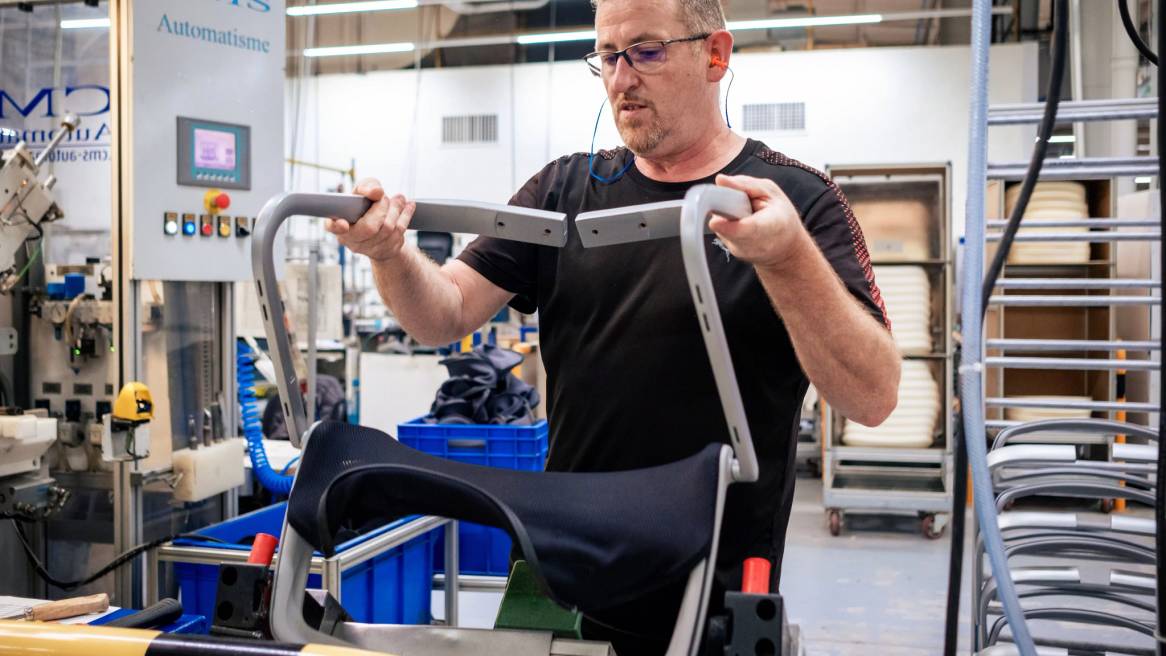
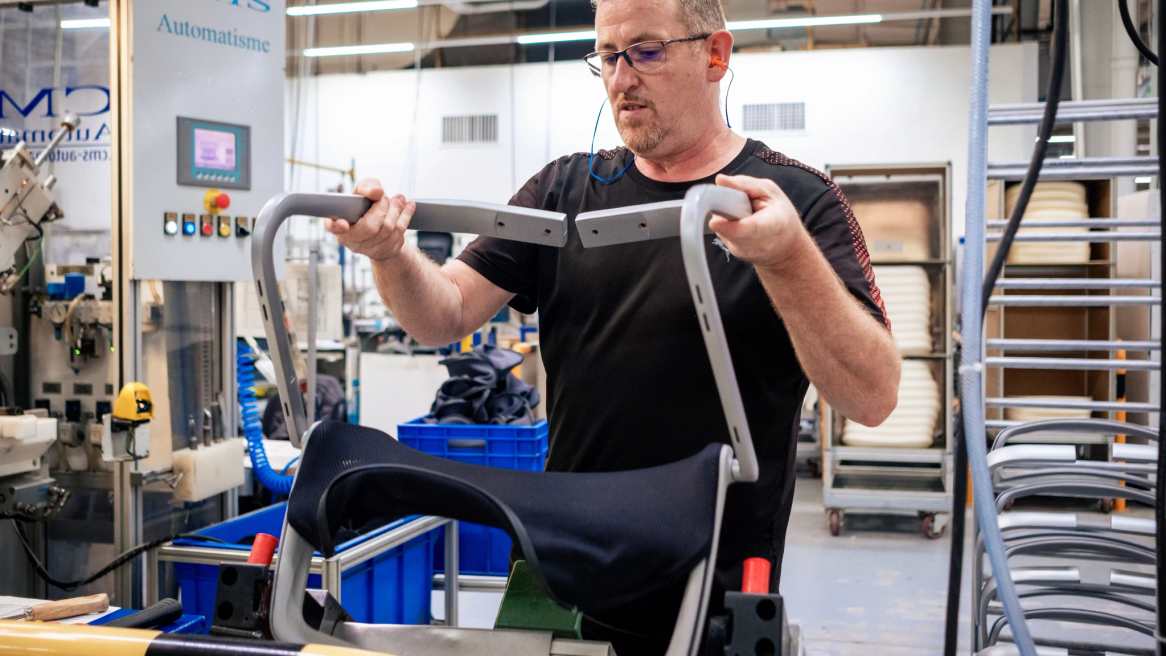
This article is part of a series dedicated to Steelcase’s European factories, renowned for their industrial excellence, capacity for innovation, and commitment to the planet and local communities.
Confronted with climate challenges, Steelcase is leading its European factories through a profound transformation toward a more sustainable industry. Each site contributes to an ambitious strategy focused on reducing emissions, boosting energy efficiency, and advancing circularity.
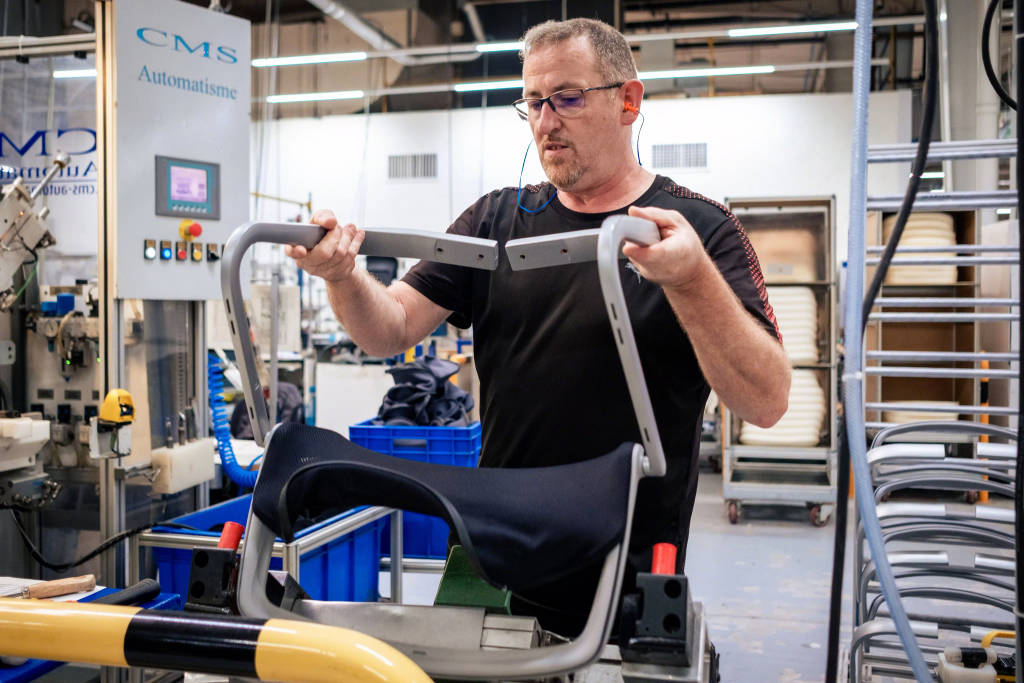
Reducing Emissions: A Shared Goal Across All Factories
Steelcase is committed to a net-zero future and has set an ambitious goal: to cut its carbon emissions by 50% by 2030 and to achieve net zero carbon emissions by 2050. This strategy is built on a deep overhaul of industrial processes, the adoption of renewable energy, and continuous improvements in energy efficiency. Every site is mobilized to identify strategic actions, measure progress, and share best practices across the group.
In Sarrebourg, the company’s first factory to be ISO 50001 certified, energy efficiency has become a culture. Lighting has been fully replaced with LEDs, slashing energy consumption by a factor of four, and an electric heat pump has replaced the gas boiler for paint baths, saving 100 tons of CO₂ annually.
In Madrid, the Internet of Things (IoT) is deployed to monitor energy consumption in real time. This technology enables production teams to reorganize their schedules, concentrating activity in the morning and therefore reducing afternoon energy needs, especially in the painting process.
In Stříbro, the energy transition is marked by the installation of a 40 kW solar system, while in Rosenheim, rooftops are covered with photovoltaic panels generating 30,000 kWh per year. These panels, combined with a combined heat and power plant, supply nearly 50% of the Rosenheim factory’s electricity needs in winter. The plant represents a new generation of sustainable technology: it simultaneously produces electricity and heat, the latter being stored in a buffer tank to power industrial processes, such as cleaning the paint line.
Circular Economy: A Catalyst for Industrial Innovation
Steelcase is also developing services to help clients reduce their carbon footprint. The Remade program is a flagship example. It extends the life of chairs by bringing them back to the Sarrebourg factory, where worn parts are replaced and structural components (mechanisms, bases, shells) are retained. The chairs are then returned to the client with an extended warranty.
“By replacing only the most stressed components, we add at least five more years to the product’s life,” explains Gaëtane Rivoilan, Product Sales Consultant. “All spare parts are sourced entirely in Europe, and the carbon footprint of a remanufactured chair is just one third that of a new model.”
This service is fully aligned with Steelcase’s circularity strategy, combining economic performance, waste reduction, and environmental commitment.


Committed Partnerships for Responsible Production
Another standout initiative is Loop, a range of fabrics developed in partnership with supplier Gabriel, a pioneer in sustainable textiles. These fabrics are made from recycled textile waste, including scraps from Steelcase’s European factories. The project embodies a fully circular approach: materials are collected, sorted, transformed, and reintroduced into the production chain to create high-quality, attractive, and durable textiles.
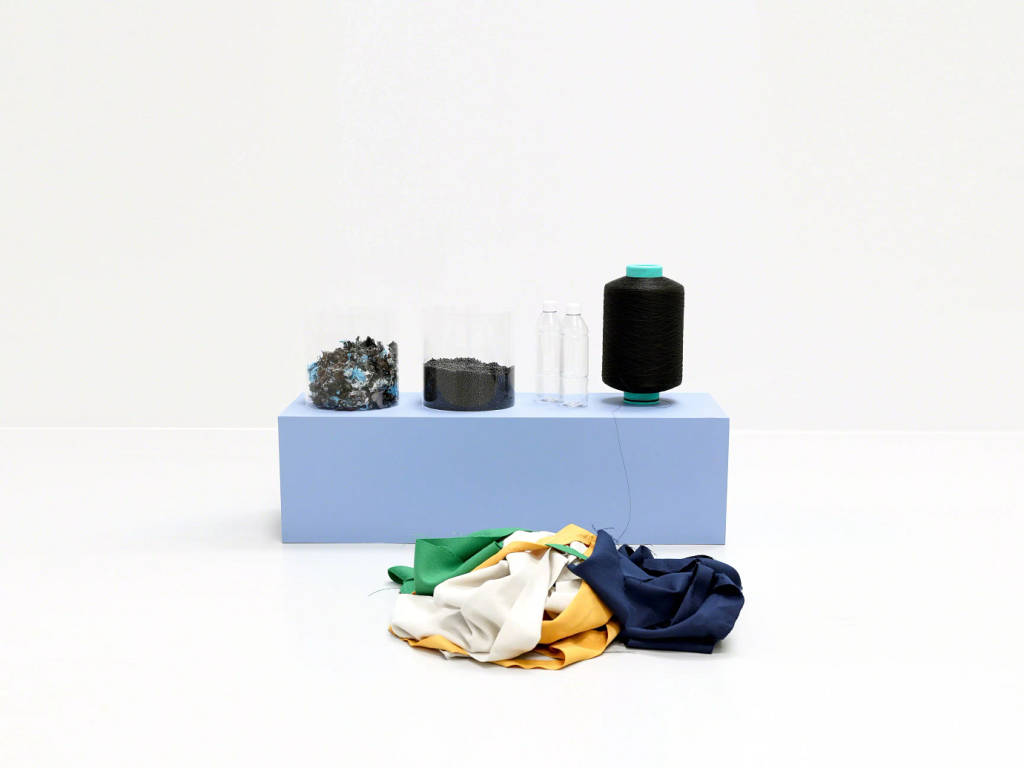
“We wanted to go beyond simple recycling, creating a closed loop where nothing is lost, everything is transformed.”
Jeppe Emil MogensenDesign Director, Gabriel
The manufacturing process relies on advanced technologies that preserve the technical and visual properties of fibers while significantly reducing environmental impact. Gabriel has also committed to the Science Based Targets initiative to mitigate climate change, further reinforcing the sustainability commitment of this collaboration.
By integrating sustainability into the heart of its industrial processes, Steelcase demonstrates that excellence and responsibility can go hand in hand. The initiatives deployed in its European factories reflect a strong determination to reduce environmental impact while creating value for clients. Whether through renewable energy, circularity, or committed partnerships, every action contributes to an industry that respects the planet and is focused on a low-carbon future.
EXPLORE OTHER ARTICLES IN THIS SERIES
Innovation at the Heart of Industrial Expertise
Discover how collaboration and a culture of continuous improvement keep Steelcase factories at the forefront of innovation.
Local Community Engagement: People at the Center
Discover local initiatives—partnerships, charitable actions, educational projects—through which Steelcase factories are rooted in their communities.