
Designing Smarter Project-based Learning Spaces
Explore the latest research from Steelcase Learning
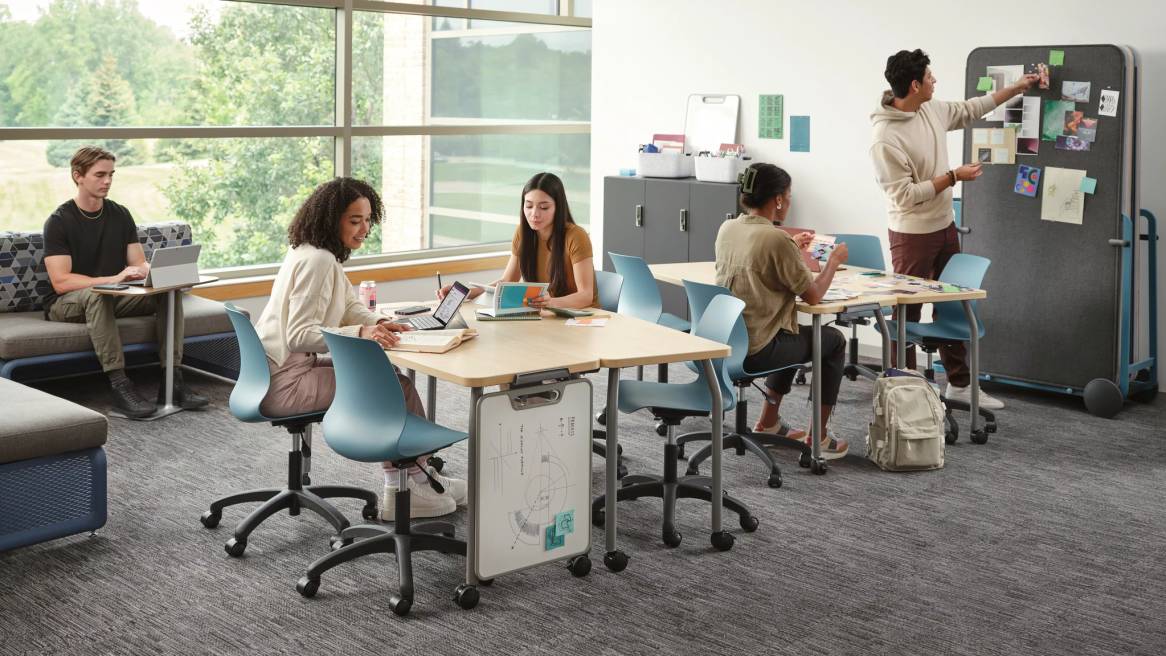
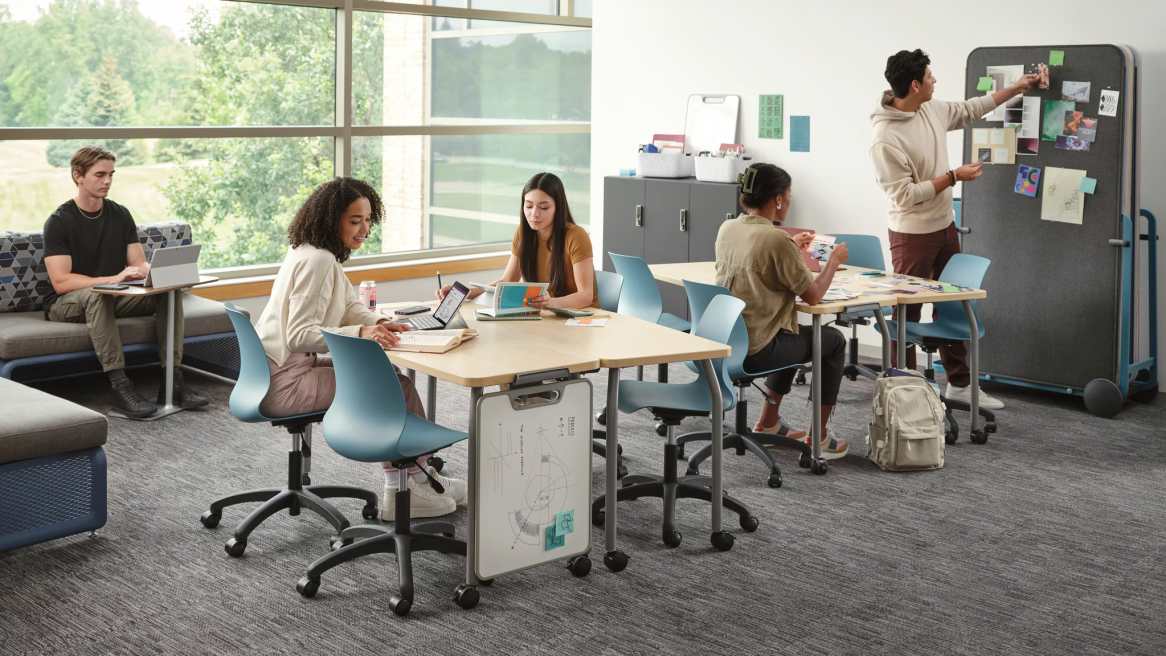
In the world of project-based learning, no two classrooms are alike. One might be filled with students giving shark tank style product pitches to local business owners while another is preparing for a mock trial or designing cybersecurity protocols for an imaginary company.
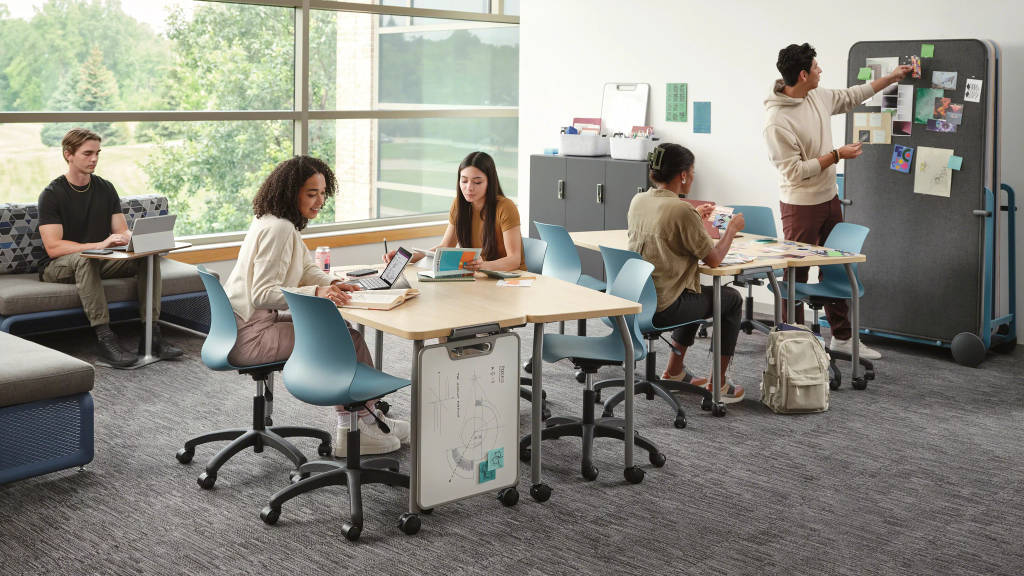
While the day-to-day experiences may significantly differ, the goal is the same: to encourage students to acquire a deeper understanding of a subject through a series of hands-on activities. Rather than listening to lectures, filling out worksheets or memorizing flashcards, project-based learning presents students with real-world problems and complex questions they must solve through experiments, simulations, research deep dives and presentations.

When we focus more on the journey rather than the outcome, project-based learning can be an effective way to keep students engaged in the classroom.
Andrew Kim Steelcase’s WorkSpace Futures
So, how can we create spaces that offer more flexibility and foster a collaborative dynamic between students and faculty? Steelcase Learning teamed up with an interior design program at a top North American university to observe several project-based learning spaces. After interviewing students and faculty, analyzing user activities and identifying common pain points, researchers developed key insights around the needs for effectively designed project-based learning environments:
- Students and teachers demand supportive project-learning spaces
- Students want informal learning environments
- Students want multi-functional pass-through spaces
- Students need the latest technology at their fingertips
Based on these insights, the team identified four types of spaces where project-based learning can take place.
Classroom Spaces
In classrooms, instructors present the question or challenge and guide the project-based learning process. Class time includes large group discussions, direct instruction, reflection and feedback.
Collaboration Spaces
These spaces support the highly collaborative nature of the work between students and external partners. Here, students can connect with partners and teams in person or virtually, in formal and informal capacities.
Creative Spaces
Places where creation can occur allows students to come together to co-generate thinking and create tangible deliverables. Specialized spaces such as immersive spaces, 3D scanning spaces and media recording studios can support design thinking.
Communication Spaces
These spaces provide a place to practice and give formal presentations to instructors, peers and external audiences. They’re also a good space for students to get feedback, reflect on their work and make revisions throughout a project.

Project-based learning encourages students to actively participate, think critically, and collaborate with their peers. Designing flexible and engaging spaces that support this approach empowers students to develop essential skills like adaptability, creativity and global awareness that allow them to excel inside and outside the classroom.
Steelcase Learning partners with K-12 schools and higher education institutions to understand how teaching and learning are evolving — and how more intelligent, more active learning environments can help.