
Why the Office Isn’t Calling People Back
A Work Better Q+A on the real barriers to return-to-office — and what organizations are getting wrong
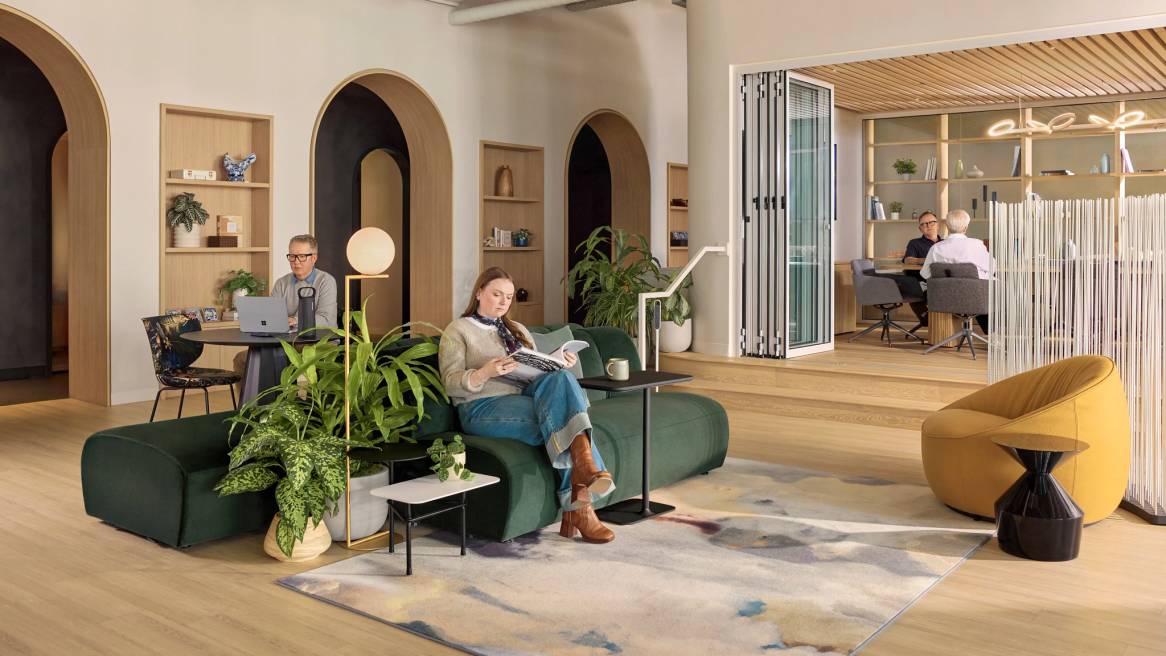
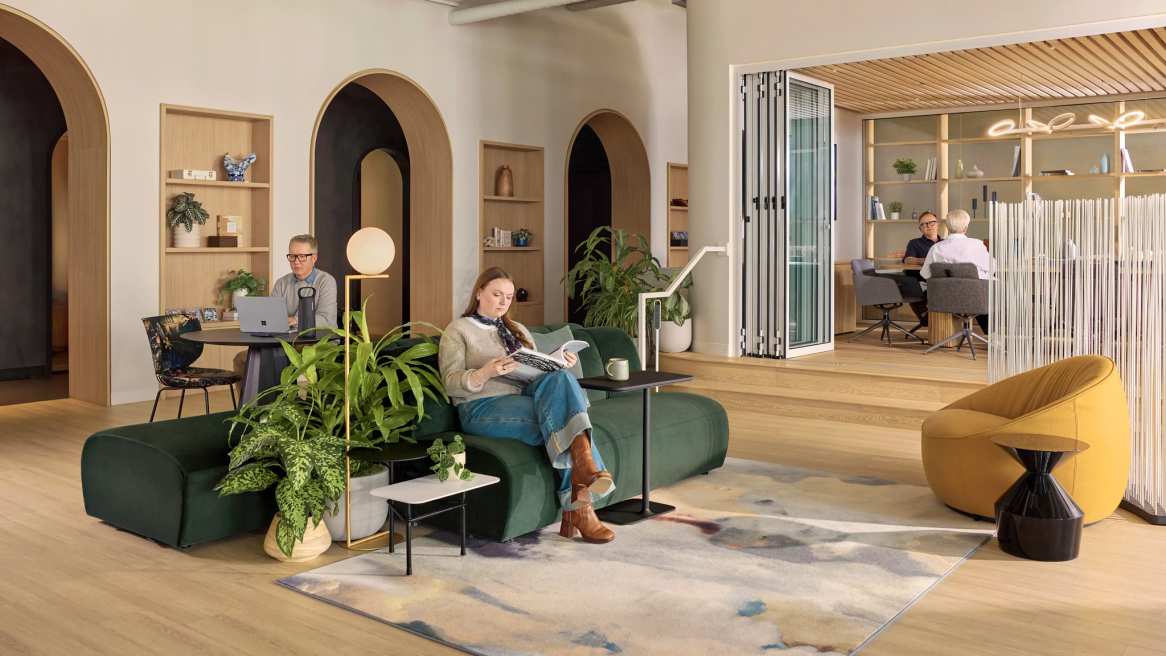
Hybrid work has changed where work happens—but many organizations are still struggling with how to make the office matter. We spoke with long-time Steelcase Application Research Consultant John Hughes, a workplace strategy expert, to better understand why some organizations’ return-to-office efforts aren’t meeting expectations—and what’s really behind it.
Work Better: Some organizations are still struggling to get employees to come to the office—why?
John Hughes: At a high level, the issue is simple: oftentimes, their office isn’t compelling enough. Many people have a choice—and they’re exercising it. If you’ve implemented hybrid work but haven’t rethought how the office actually functions today, you’re likely seeing very low utilization. In some cases, density drops to 20% or lower, and at that level, the office loses its energy. Without that energy, it stops being a place people want to be. Without critical mass, the office doesn’t just feel empty—it feels unnecessary.
WB: What are those organizations getting wrong about office design?
JH: One of the biggest challenges is that many companies are still designing for a single, uniform way of working. Those workplaces are still designed around a model that no longer reflects how work happens. Work is composed of five main types of activities: focus, collaboration, socialization, learning, and rejuvenation. They’re all important, and offices need to support each of them effectively. If the office doesn’t reflect that balance, it falls short of what people actually need.
WB: How important is variety in today’s workplace?
JH: Variety in the workplace is the number one driver of overall satisfaction. Choice and control matter more than ever. People want options — different types of spaces that support different types of work throughout the day. And if you have a lot of variety, that actually leads to greater satisfaction than having your own assigned desk. People still need places to do their individual work and focus, but they also need more flexible, shared environments designed around the activities they do throughout their day.
WB: A lot of people invested in their home offices during the pandemic. How is that influencing their expectations?
JH: Yes, many people have really nice home offices. And if your office at work is quite dated, guess what? People have an opportunity to vote, and they’re not going to choose an underperforming workplace if they don’t have to. Homes have become a strong competitor, and if the workplace doesn’t offer anything meaningfully better, it’s simply not compelling enough to draw people back.
WB: But the office can help people feel more connected to each other and the organization. Doesn’t that make a difference?
JH: That’s true – if the office is intentionally designed to foster connections. We regularly meet with C-suite leaders in our work, and one of the big things they talk about is silos – organizations want more cross-team collaboration. But the way space is designed often reinforces separation. The office has the potential to help build relationships and connection to the organization’s culture, but only if it’s designed to encourage movement, sharing and interaction. You have to create areas that encourage people across the organization to gather, and then leaders need to model the behavior they want to see. Without that sense of permission that leaders demonstrate, people won’t go into even the best-designed spaces.
WB: What’s the bigger takeaway for organizations trying to bring people back?
JH: Hybrid isn’t going away, but for many organizations, it’s not yet working effectively. The core issue isn’t policy; it’s that the workplace hasn’t caught up. Until organizations rethink the role of the office — designing it around variety, collaboration and real patterns of work, it will continue to feel optional. And when the office feels optional, people choose what works best for them.
For ideas on how to solve common workplace design problems, see: Reinventing Five Essential Spaces: Before and After
To get stories like this one right into your inbox, subscribe to the Work Better Weekly