
Chicago Design Week: Workplaces That Help People Think Better
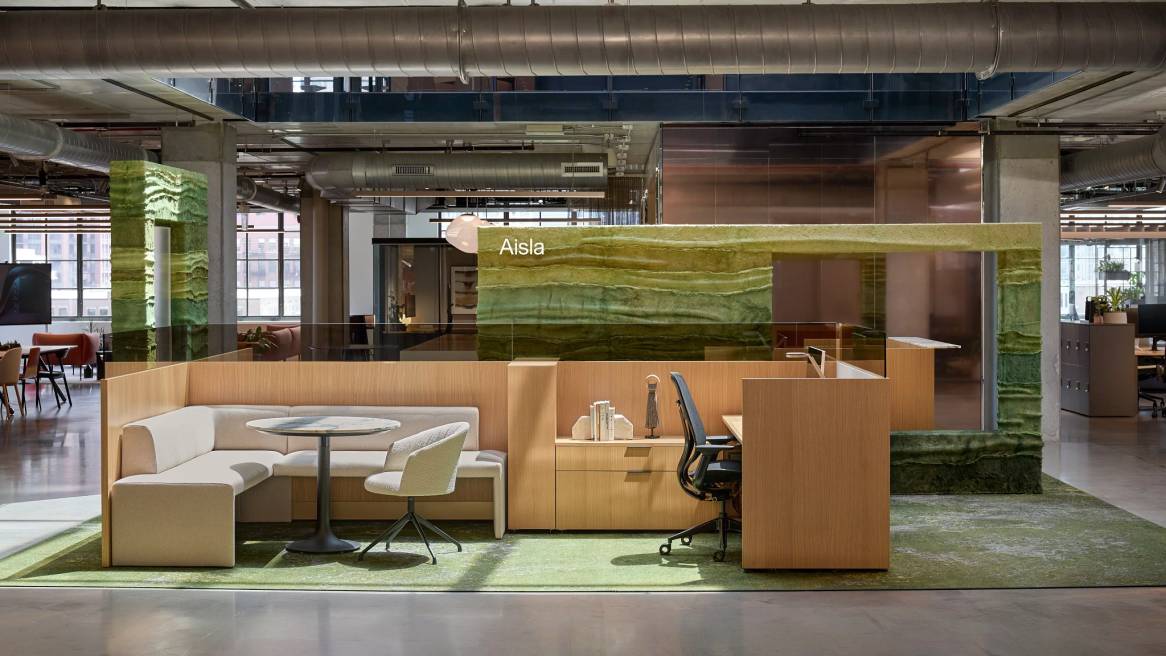
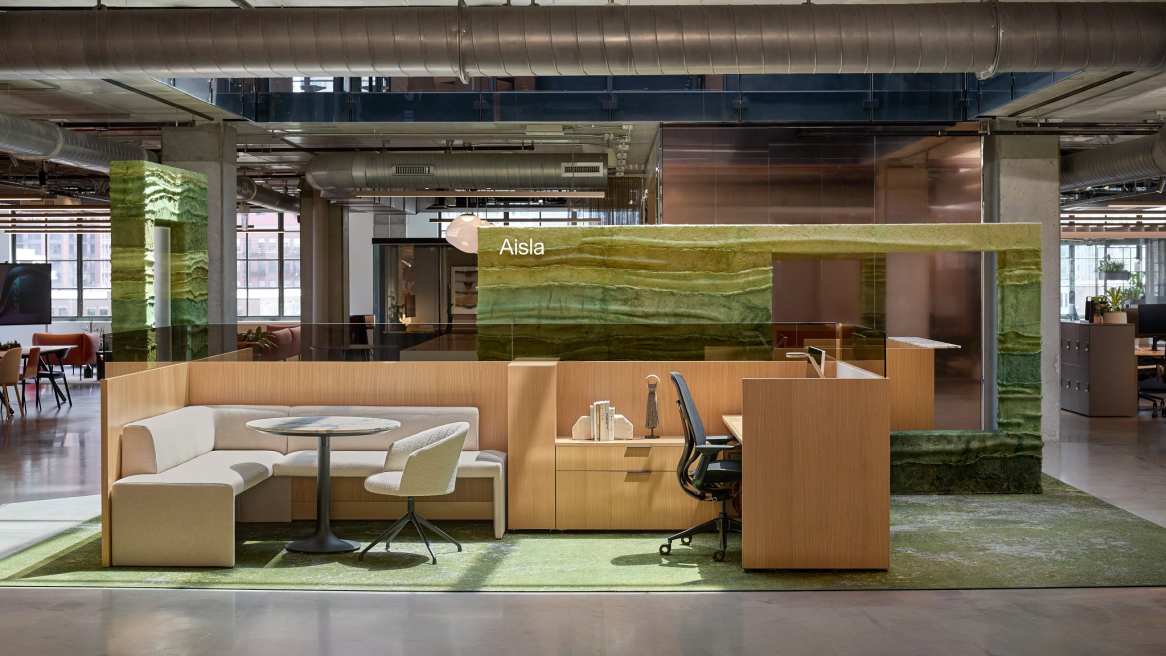
Chicago Design Week brought together thousands of people from across the world to explore new ideas shaping the future of work – and this year, Steelcase and its community of brands were recognized with several industry awards for design excellence. The energy extended across Design Week at Fulton Market Design Days and the Merchandise Mart, where Steelcase and partner brand showrooms created a connected experience that showcased how thoughtful design can help people think better.
Steelcase offered solutions to a challenge many organizations are quietly struggling with: people are overwhelmed. The pace of work, constant digital stimulation and the rapid adoption of AI tools are reshaping how people think, focus and connect. But the workplace hasn’t kept up in supporting what people need to do their best thinking. Cognitive overload is no longer a personal issue. It’s a business issue. And it’s changing what people need from the places where work happens.
A new lens on workplace performance
As part of Design Days, Steelcase introduced new ideas and solutions that offer “ergonomics for the brain.” Visitors to the Steelcase showroom could move through a variety of spaces that support different needs our brains have throughout the day, such as the ability to sustain attention and do deep-focus work, to create social connections that help people manage stress, places to move that help boost creative collaboration, or areas to take a “brain break” and reenergize.
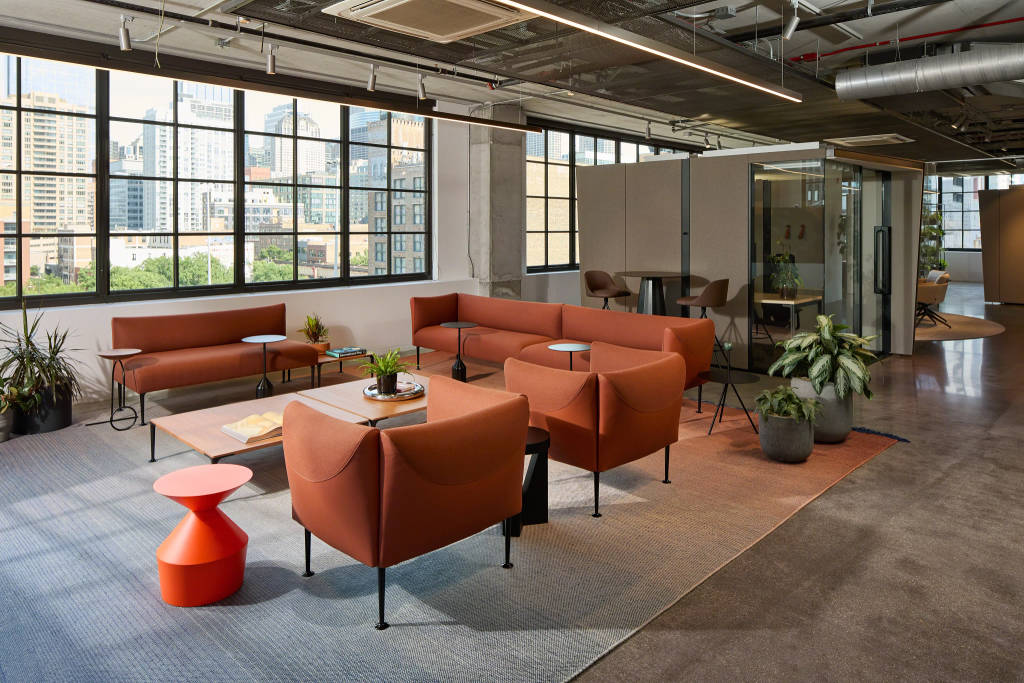
When people have inviting places to gather or pause, connection happens naturally – and those human moments are essential to our health and wellbeing. For instance, the modular lounge collection Viccarbe Missiva uses a mix of sofas, chairs and poufs to fit any space and support the quick resets and social interactions that help people think more clearly throughout the day. Spaces like these are essential for human interaction.
Why brain health matters now more than ever
The complexity of modern work is stretching people’s cognitive capacity. Screens dominate our days. Notifications compete for attention. AI tools accelerate decision‑making. In this environment, community isn’t a “nice to have,” it’s a stabilizing force for the organization.
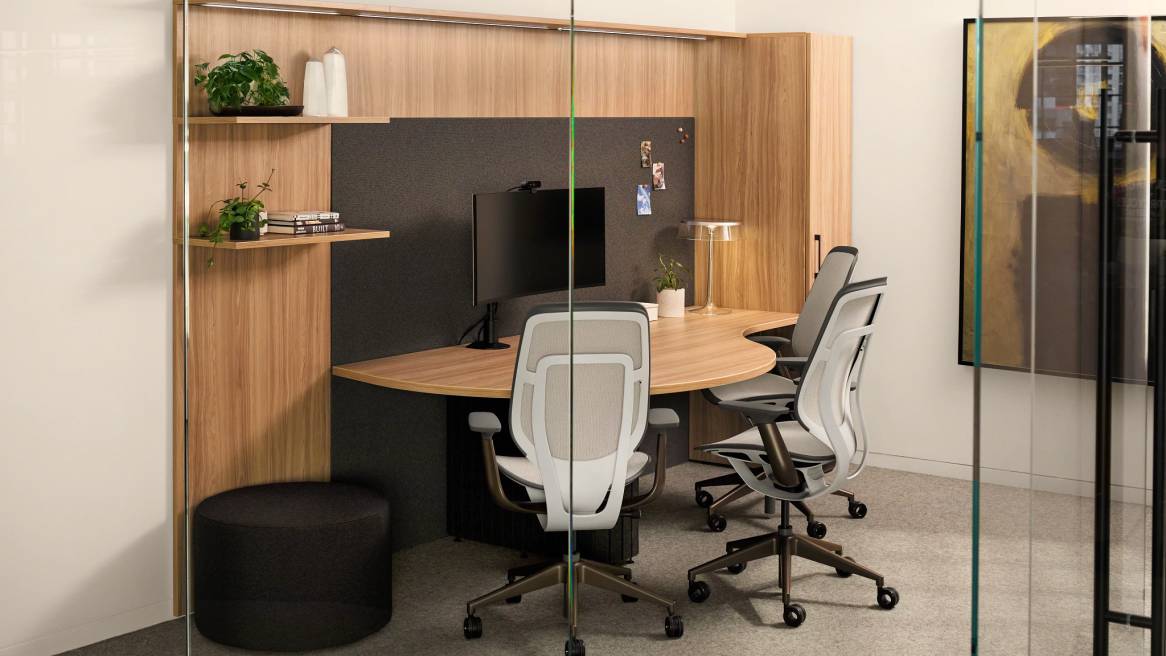
Throughout Design Week at Fulton Market Design Days, Steelcase and its community of brands showcased environments designed to reduce cognitive load and support the full spectrum of work. Several products were recognized for their contributions to better thinking and better work. HALCON Vesper earned three Best of NeoCon Gold Awards — in casegoods/desk, storage and height‑adjustable tables — and HALCON Ferra received an Innovation Award. Designtex Amble was also honored with a HiP Award in the Health + Wellness: Fabric + Wall Coverings category. Together, these recognitions highlight the breadth of innovation across the Steelcase family and the shared commitment to creating workplaces that support people’s cognitive wellbeing.
As organizations continue to navigate uncertainty, the workplace has a renewed role to play. Not as a mandate, but as a meaningful resource. The workplace can be a place designed to help people do their best thinking, build relationships and find clarity amid complexity.
Designing for cognitive performance is emerging as one of the most powerful ways to support wellbeing and performance. And at Chicago Design Week, Steelcase demonstrated what that future can look like.
For more Work Better articles centered around Steelcase research, insights and design ideas, subscribe to the Work Better Weekly newsletter today.