Embracing the Spirit of Co-Creation
Work Better asked design journalist Adrian Madlener to reflect on the value of co-creation on behalf of Coalesse, a Steelcase design brand dedicated to helping people create brilliant work together.
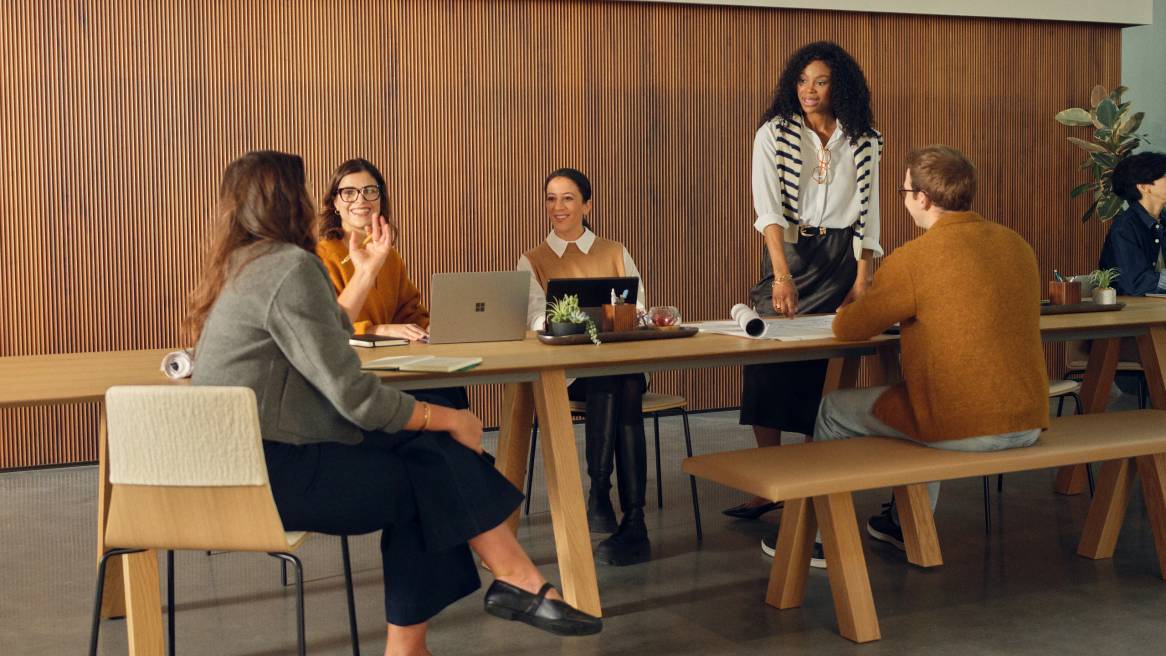
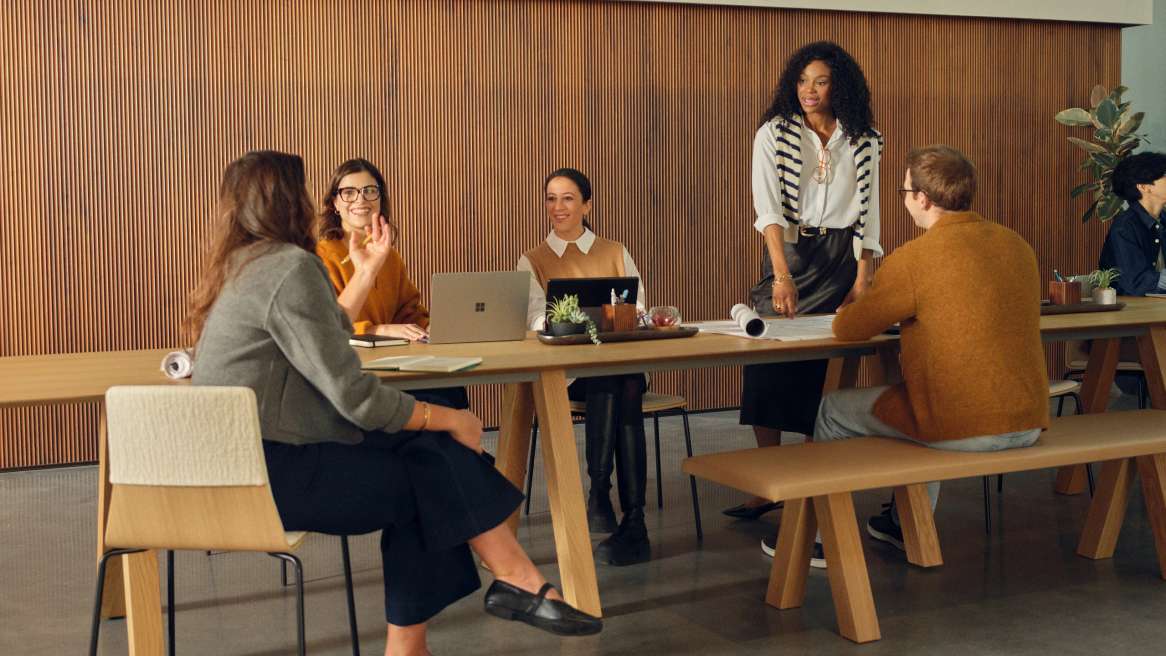
Four years ago, I had the opportunity to visit Mexico City’s La Laguna, a former factory turned creative hub where the spirit of co-creation thrives. In 2017, architecture firm Productora turned the block-wide industrial site into a creative complex. Now home to a diverse group of 20 or so independent studios, people gather, connect and end up swapping ideas. The act of sharing a meal at an on-site eatery inevitably gives rise to new concepts. I witnessed people sharing creative visions and then deciding to work together to make those a reality.
As I experienced in La Laguna, simply being in a shared space creates a canvas that encourages people to interact. It’s a lesson our offices can exploit. Compared to overly controlled video meetings, in-person decision-making moves faster. Spur-of-the moment solutions are quickly introduced. With physical proximity, there’s resource sharing and cross-practice collaboration. But for people to fully co-create, they need to do more than lend a tool or share advice.
People need to be willing to speak up. Share different perspectives and messy new ideas. It’s not always straightforward. When we ask: What is it that co-creation actually achieves? I’m drawn to the benefits we experience from having conversations that take us to unexpected places and lead us to novel concepts.
As a freelance design journalist, I find myself drawn to co-working spaces. My favorite in SoHo, New York, attracts creative professionals who rely on one another. Creativity is not a solo pursuit, after all. Impromptu social interactions take place at all hours, nudging the open exchange of ideas. I’ve found that the stranger who sat next to me for months has valuable insights about one of my projects. Co-creation stems in part from the willingness to be vulnerable, which only comes about once we’ve built a trusting rapport.
“Our spaces can serve as the framework for co-creation.”
Tapping into another trusted partner can reveal unexpected potential. Celebrated designer Tom Dixon brought his outside perspective to the Jean Nouvel Seating Collection by Coalesse for Miami Art Week. Dixon is internationally recognized for his pioneering use of materials and techniques. Jean Nouvel’s designs are reminiscent of natural forms found in landscapes.
The surprising collaboration resulted in reupholstered organic designs paired with a contrasting crinkled metal-foil textile. A fresh aesthetic take, that neither designer would have come up with on their own.
It may seem like co-creation happens behind closed doors with a final unpredictable reveal. In fact, it flourishes in spaces that invite meaningful conversation and collaboration, which makes carefully considered design indispensable. For workplaces to work well, architects and interior designers are adopting a more comprehensive yet nuanced approach.They are seeking a balance of open areas — communal spaces for open exchange — with secluded alcoves — pods for individual reflection. When we get up and move throughout the day, not only do we
energize our bodies and brains, we make it much more likely to connect, collaborate and co-create.
The environments I’ve experienced that best support co-creation are balanced, accommodating and inviting; not visually imposing or spatially prescriptive. There needs to be literal and figurative room for adaptation; incentives for people to make their mark. Our spaces can serve as the framework for co-creation. When designed well, they can encourage us to let go of individual authorship and open our minds to new viewpoints, possibilities and co-created innovations.