
The Future of Healthcare Is Personal, Flexible, and Everywhere
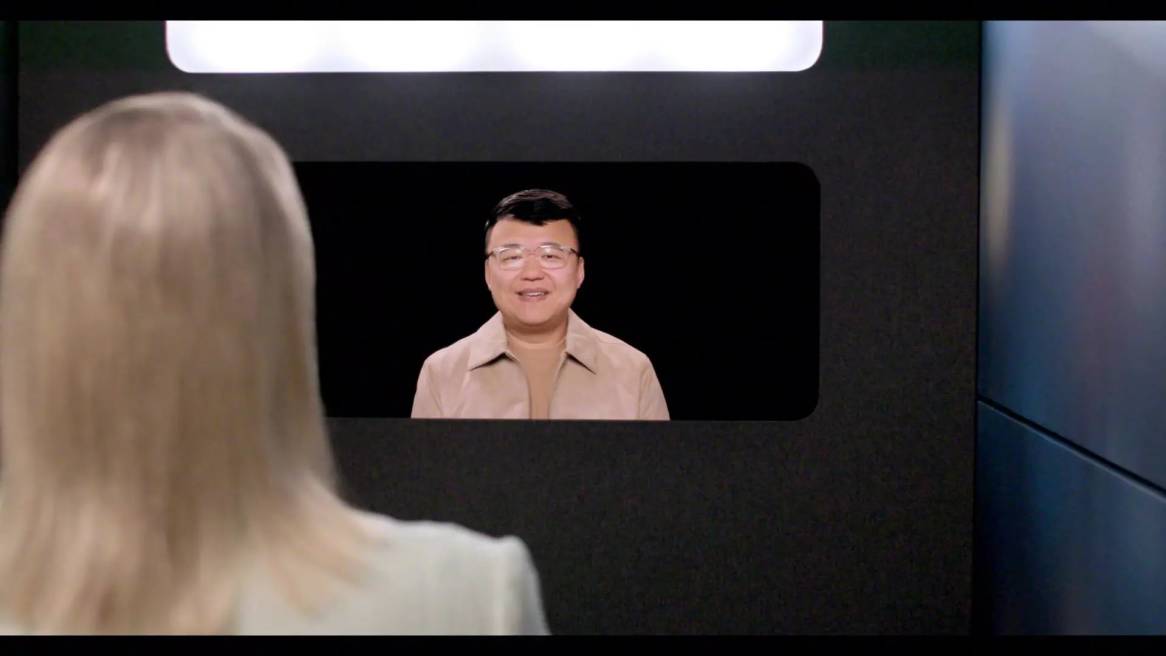
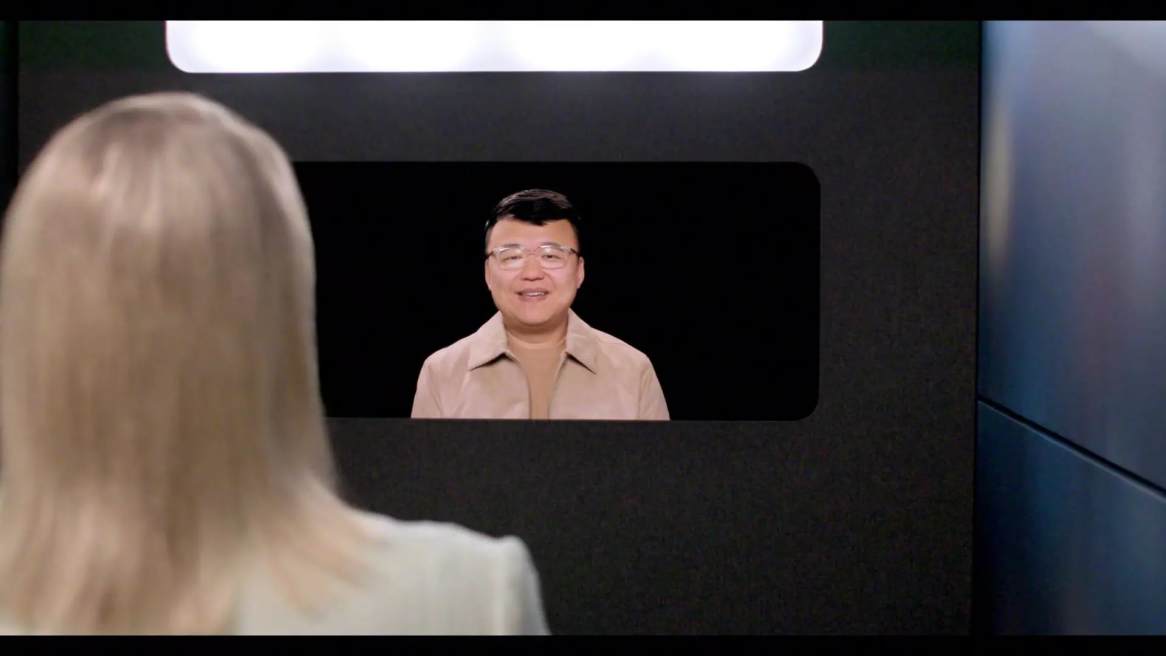
Healthcare isn’t just evolving – it’s transforming. Fast. There’s no denying it, the pressure is real: costs are rising, clinicians are burning out, and patients want care that’s more personal and easier to access. Health system leaders are now navigating today’s urgent demands and tomorrow’s inevitable shifts.
That’s why Steelcase Health customer marketing and research teams spent the past year digging into the forces reshaping the industry. Not in an effort to chase trends, but to imagine what better futures could look like, what it’ll take to get there, and how Steelcase can help shape it. The Steelcase Workspace Futures team used a foresight approach to explore what the future of health might look like and how it could impact work. By studying big forces of change – like rising healthcare costs, demographic shifts, and new technologies – they’re able to spot risks – and opportunities – earlier.
“We’ve spent years studying the signals of change — through expert interviews, global collaboration, and deep dives into past foresight work — to understand what’s truly shaping the future of healthcare,” says Jordan Smith, a senior researcher with the Steelcase WorkSpace Futures team. “This approach helps us cut through the noise and focus on the enduring forces– like access, trust, and flexibility — that will define how care is delivered and experienced in the years ahead.”
The future of healthcare is already here
As the healthcare landscape undergoes seismic shifts, three powerful forces are redefining how care is delivered, experienced, and sustained. From deeply human interactions that prioritize dignity and empathy, to digital systems that empower smarter decisions and seamless access, and operational models that are being restructured to meet the demands of a rapidly evolving world – these forces are converging to shape a more responsive, connected, and resilient healthcare future. Understanding tomorrow begins with recognizing what’s transforming today.
People-first decisions will drive more personal care
Healthcare is moving toward an even more person-centered approach, where both patients and clinicians expect experiences that feel supportive and empowering. Patients want greater control, transparency, and comfort in their care, while clinicians are struggling with burnout caused by staffing shortages, administrative burdens, and stress. Value-based care (where providers are paid for outcomes, not volume) is gaining ground. Concierge medicine is going mainstream, and retail giants are entering the mix. These changes promise more access and personalization, but they also risk leaving some people behind if not designed thoughtfully.

.
Design alone can’t fix systemic issues like income inequality or lack of access to specialists. But it can help. Thoughtful environments can build trust, encourage patients to take an active role in their care, and support new ways of working. Whether it’s a telehealth hub, a walk-in clinic, or a high-touch concierge practice, the physical space plays a quiet but powerful role in shaping experience.
Patients aren’t the only ones to consider in the new wave of health design. Clinician wellbeing is also a must. Burnout is still high, and staffing shortages mean many systems rely on temporary workers, making it harder to build strong teams. That’s why spaces that foster connection, reduce mental strain, and support emotional resilience are becoming essential – not just nice-to-haves.
Better Access + Deeper Connection: Tech will make care more flexible
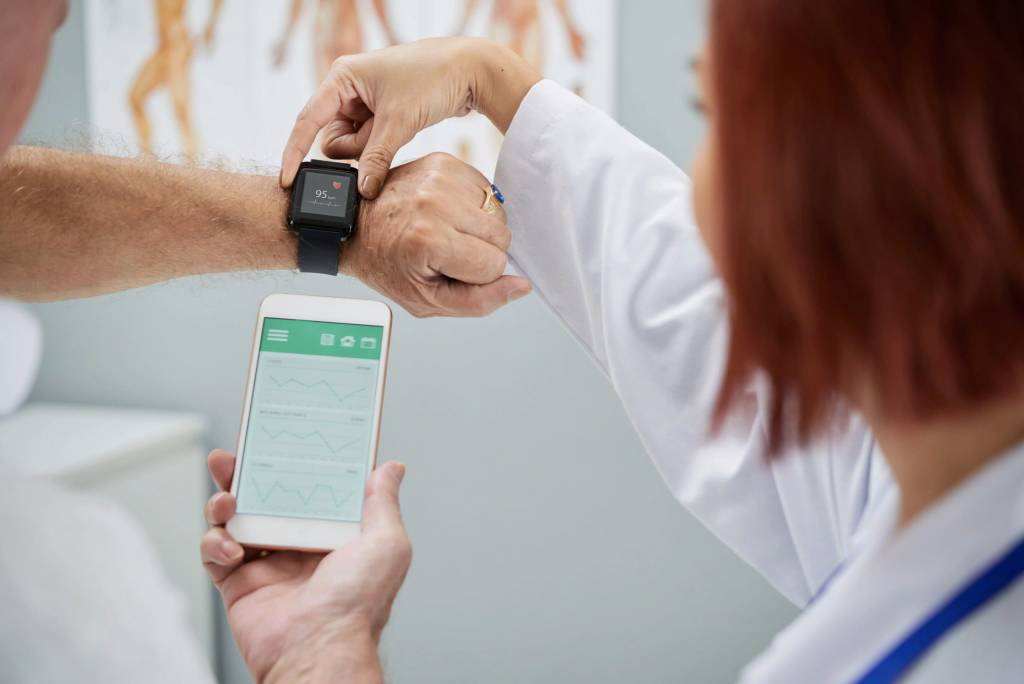
Digital innovation is rapidly reshaping healthcare – not just how care is delivered, but how it’s experienced. AI is reducing clinician burden by automating documentation and enabling more personalized care. Augmented Reality (AR, which overlays digital information onto the real world) and Virtual Reality (VR, a computer-generated, 3D environment that creates an immersive, simulated experience) are making virtual interactions more engaging and even supporting areas like pain management and mental health. Connected devices are creating smarter, more responsive systems, and the overall trend is toward preventive, data-driven care. But these advances raise new questions: How do we design for hybrid interactions? How do we keep the human touch in tech-heavy workflows? And how do we create patient spaces that restore well-being for both patients and clinicians? These are the challenges driving new prototypes and solutions today.
.
Health beyond the hospital: Care will meet patients everywhere they are
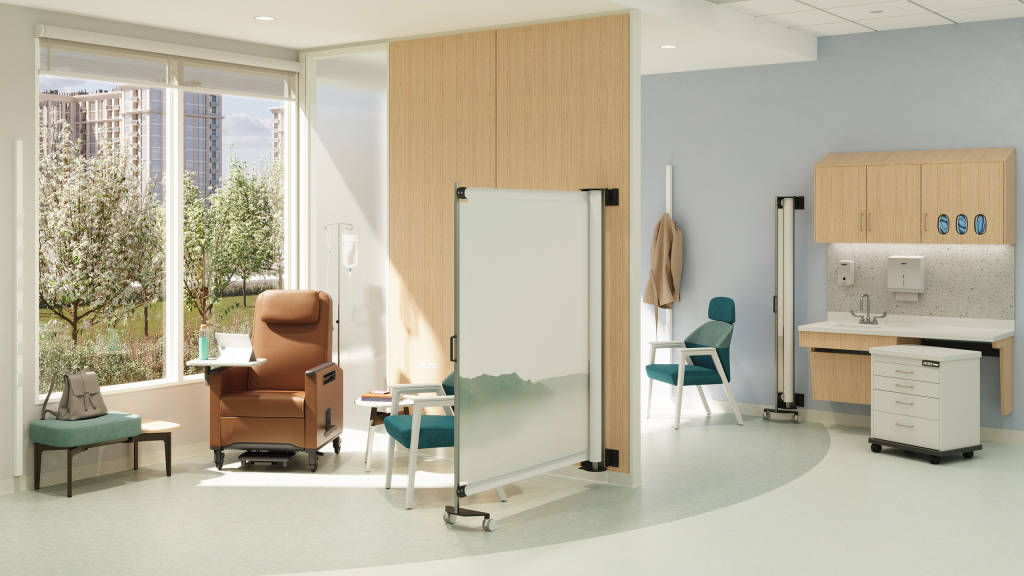
Across all our research, one thing is clear: adaptability isn’t just a buzzword – it’s the bedrock. Care is becoming more distributed, showing up in homes, retail clinics, and micro-hospitals. Instead of one large campus, we’re seeing networks of smaller, more nimble spaces. That shift demands environments that can flex quickly — like a single clinic room hosting orthopedic surgeries one day and pain management the next. Being prepared for the next pandemic and adjusting for the growth or contraction of different specialties is also a significant driver.
This isn’t just future-state thinking. Steelcase is already seeing demand for modular construction, multi-use exam rooms, and furniture that toggles between clinical and conversational. Even in high-performance settings (like operating rooms, ICUs, and Emergency Departments), people expect spaces that feel less sterile and more welcoming where they can have clear conversations. Research shows that these environments support healing. With value-based care and concierge models gaining ground, the experience of care matters more than ever.
.
Steelcase is leaning heavily into this future — expanding adaptable platforms, investing in research that shows how space impacts outcomes, and partnering with organizations to support long-term goals like sustainability and accountability.
“Resilient organizations don’t just react — they prepare for multiple possible futures across different time horizons,” says Smith. “By looking beyond traditional forecasting, our foresight work helps shape strategy, guide innovation, and ensure we’re designing what’s next — not just what’s now. It’s how we turn uncertainty into clarity — and possibility into action.”
Explore more of our research and solutions at SteelcaseHealth.com or get a copy of our latest lookbook for healthcare.