
Community Drives Performance
Research shows it improves engagement, productivity + wellbeing
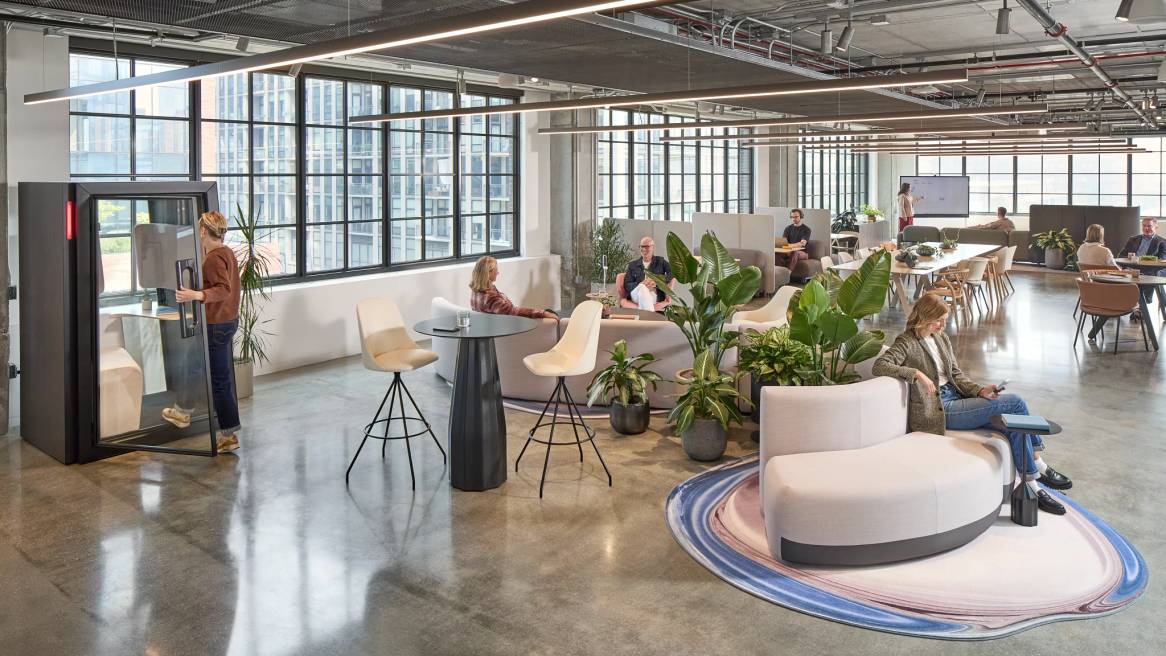
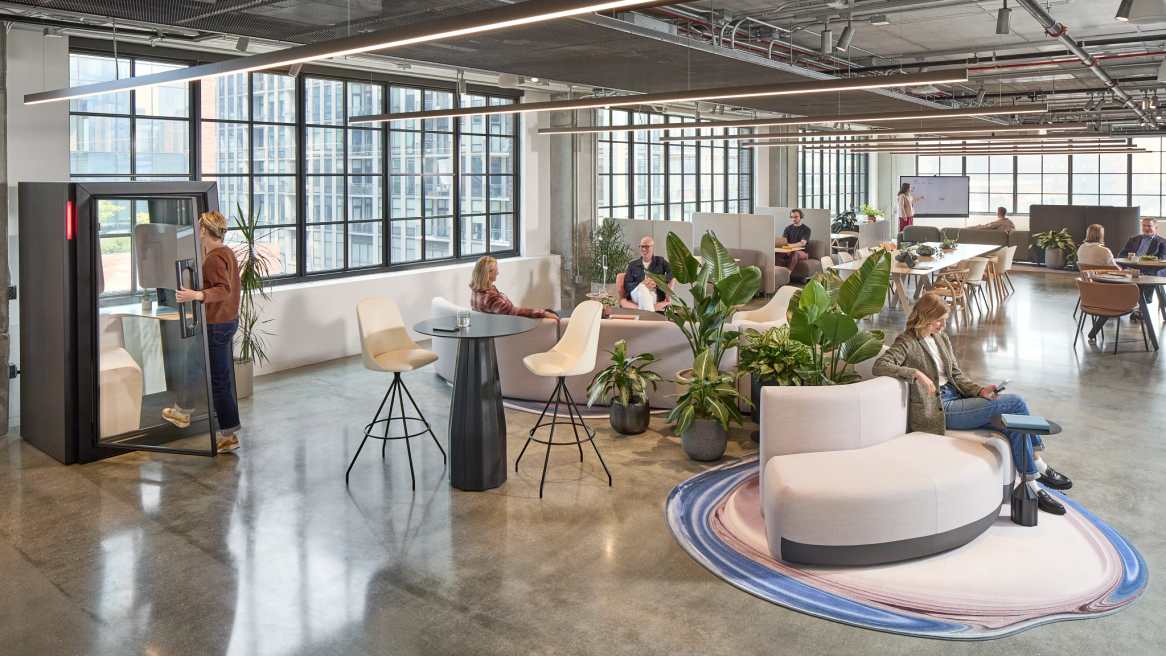
Organizations are ramping up investments in the workplace, but most employees aren’t feeling the improvement — yet. In the past year, 21% of employees say their primary workspace was
updated, according to recent Steelcase research, yet when asked to give their overall workplace a grade, they only give it a C.
The issue: Many offices fall short because they don’t offer a range of spaces that truly support how people work or foster the sense of community and belonging that draws them in.
The global study of almost 5,500 office workers examined how workplace design impacts people’s performance and wellbeing. A key finding — and opportunity for improvement — is that employees do not feel their workplace is highly effective in supporting the essential work activities they do every day: focus, collaborate, socialize, learn and rejuvenate.
The data shows that while offices offer some support, it isn’t enough to fully meet employees’ needs. The research also points to what will make a difference. When people have a range of spaces dedicated to the different types of work they do throughout the day, they perform and feel better. These spaces, designed as zones or “districts,” support a primary way to work (i.e. focus, collaboration, etc.) but can also support other behaviors. They offer people a variety of ways to work, based on the tasks they need to do and their preferences.
When workplaces have three or more districts dedicated to different types of work, people experience better work outcomes.
More choice, better results
Steelcase research found that employees with access to a variety of spaces* experience:
- 14% higher engagement
- 16% higher sense of community
- 8% higher productivity
- 8% lower likelihood to leave
- 13% higher wellbeing
- 3% lower burnout
* 3-5 workplace districts
Employees with access to three or more districts report stronger outcomes in key areas, such as engagement, which, in turn, impacts performance, such as productivity. But most employees lack meaningful choice in where and how they work. Globally, only 37% report access to three or more districts; 63% report access to two or fewer, according to the research. While availability varies, the broader pattern is consistent: most offices offer a limited set of environments to support the range of activities people perform throughout the workday.
Designing for the full workday
Creating a workplace with a diverse range of spaces or districts is an essential part of the Community-Based Design approach that Steelcase uses for its own workplaces.
We think of employees as members of a community at work, and we need to design workplaces for them that address how they actually work — their rhythms, their challenges and their moments of connection,” says Meg Bennett, Steelcase global design principal. “When we design spaces to respond to these patterns, we draw inspiration from vibrant cities where a diversity of places — retail, homes and public spaces — coexist to support the needs of a thriving community. Similarly, in the workplace, we create an ecosystem of spaces that reflect the different ways people work. These environments enable people to build trust and drive meaningful progress together.”
Community‑Based Design is grounded in research that shows how vibrant neighborhoods evolve and thrive over time. Communities with diverse, mixed‑use spaces naturally foster relationships, belonging and shared purpose — much like a city that grows stronger as its people interact, support one another, and co‑create its future. Bringing these urban‑planning principles into the workplace can help employees build trust, strengthen community and work together more effectively.
The impact on employee experience
Steelcase research found that employees with access to a variety of spaces* are:
- 18 % more likely to agree their company fosters inclusion + supports different perspectives
- 17 % more likely to say their company adapts + responds to change
- 14 % more likely to report shared accountability within their teams
* 3-5 workplace districts
Changes that matter
Organizations have an opportunity to make research-backed improvements to their workplaces that give people what they need to build trust and work better.
Discover how common underperforming spaces can be transformed into places where people can maintain their attention, think creatively and feel a sense of community.
See the BEFORE + AFTER transformations
.
The Underused Conference Room
Transform a single, large conference room into multiple spaces where people can collaborate, focus, rejuvenate and socialize.
.
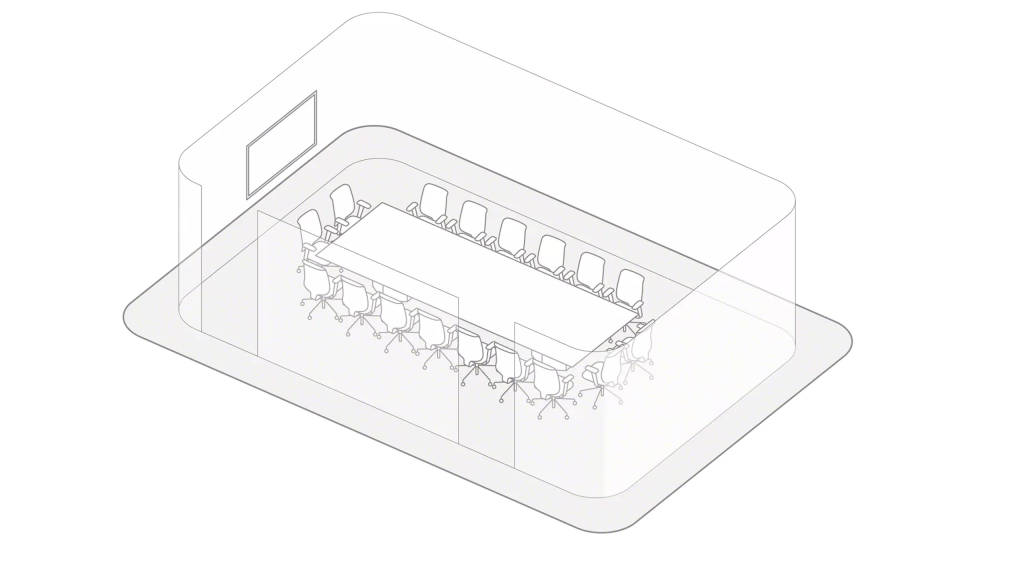
What’s not working: Large conference rooms account for nearly 60% of all meeting space, but 80% of meetings involve only one-to-three people. These more traditional rooms occupy a lot of real estate yet often sit empty.
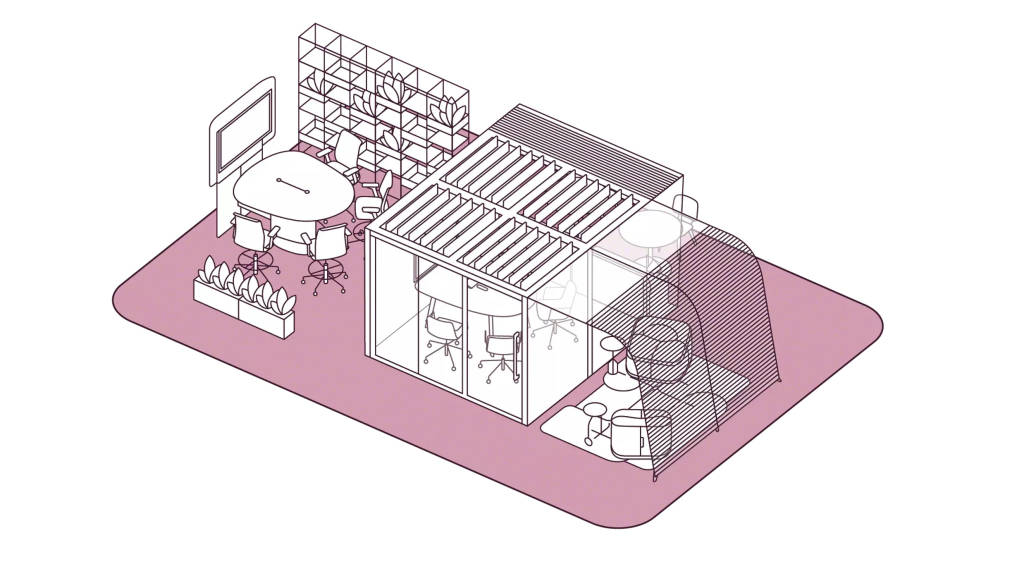
What to do: Shift from a single enclosed space to multiple workspaces that support a range of activities, giving people more choice and control over where and how they work.
Before
A single large table or other more formal furnishings don’t easily adapt to support different types of collaboration or diverse work activities. Large enclosed meeting spaces often use drywall, which is costly to reconfigure.
After
A standing-height table and integrated monitor encourage movement, connection and make it easy to share content in the open plan. Flexible architectural products allow for easy reconfiguration and can create a mix of open and enclosed spaces.
How it helps create community
Large, formal boardrooms can feel intimidating, often discouraging people from speaking up or fully engaging. In contrast, smaller, more welcoming spaces create a sense of comfort and equality that encourages participation. These spaces make it easier for people to interact naturally, share ideas and collaborate openly, while also supporting a wider range of work activities and team dynamics.
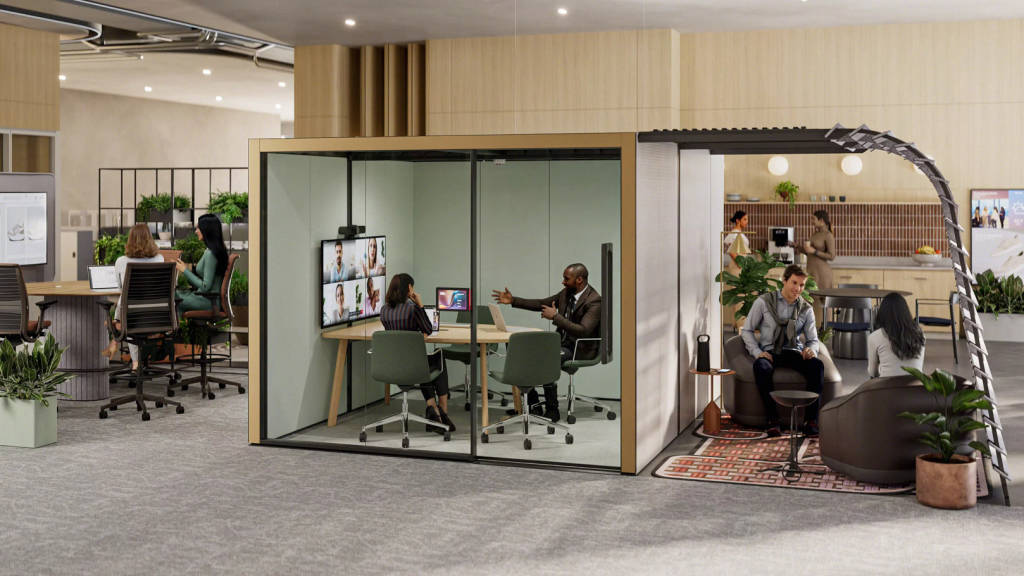
- A variety of collaboration spaces support connection, creativity and knowledge sharing. These smaller spaces can support a range of activities: hybrid meetings, quick huddles, informal
collaboration and rejuvenation. - Shelving creates territorial and visual privacy in an open collaboration space, reducing distractions and helping people stay focused.
- A private, acoustically controlled room eliminates distractions and supports both in-person and hybrid meetings.
.
The Overexposed Bench
A pinwheel configuration creates a more private, comfortable and adaptable workspace that limits distractions and helps people focus.
.
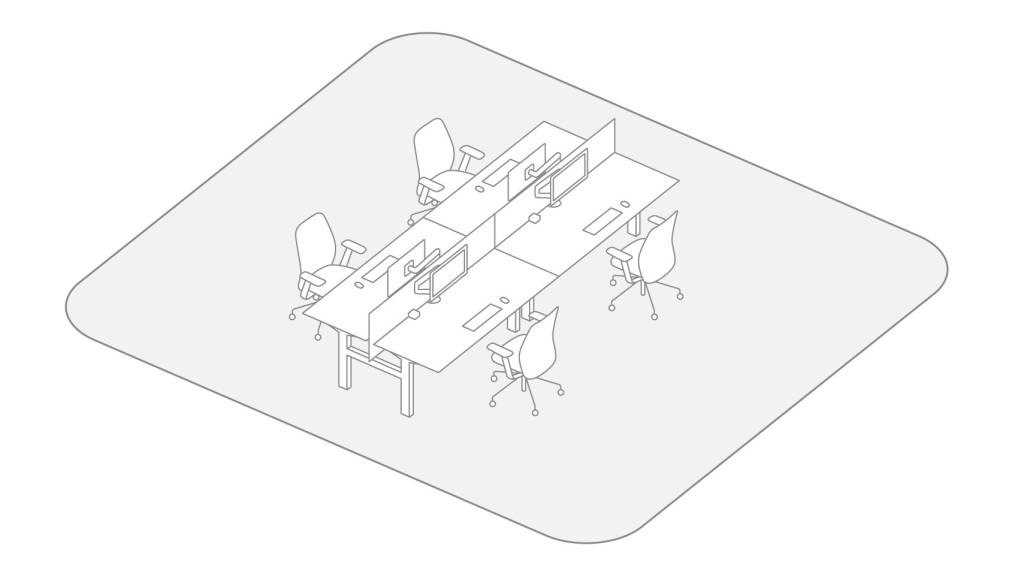
What’s not working: Traditional benching applications lack privacy and personal space, with no buffers or borders between workstations.
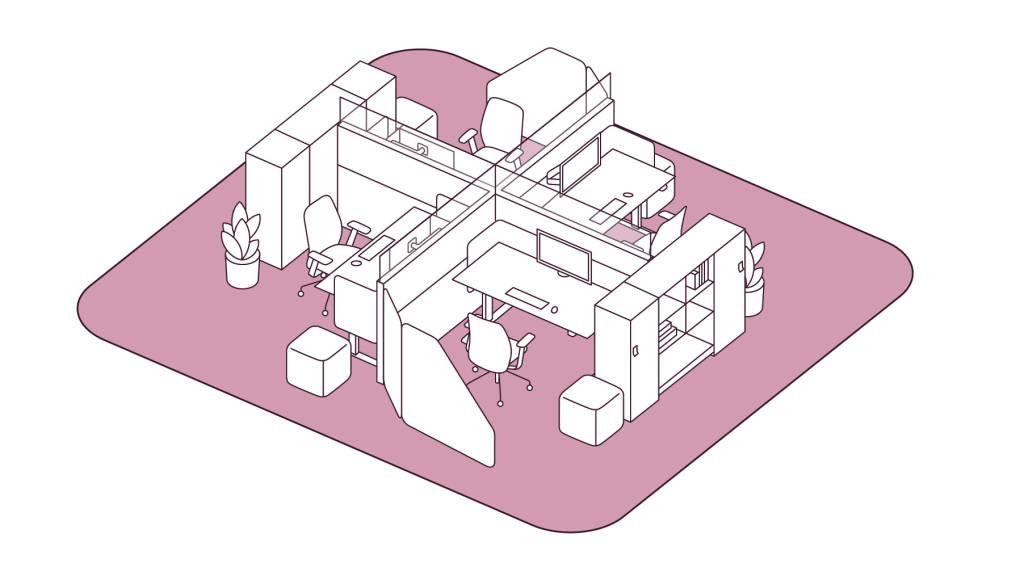
What to do: A pinwheel configuration eliminates face-to-face seating and creates a more private, comfortable and adaptable workspace.
Before
People sit face-to-face, causing visual and acoustic distractions that make it difficult to focus. The absence of boundaries leads to more frequent distractions.
After
The addition of screens behind people creates a sense of territorial privacy and a suitable background for video calls. Changing the orientation of the workstations so people face away from each other minimizes distractions.
How it helps create community
This workstation pinwheel configuration supports individual privacy in an open office setting, while keeping people connected to their teammates. Employees benefit from increased privacy, personal storage and flexibility, supporting both individual and team work without sacrificing comfort. Privacy gives people the comfort and security they need to recharge, focus and confidently re-engage with others.
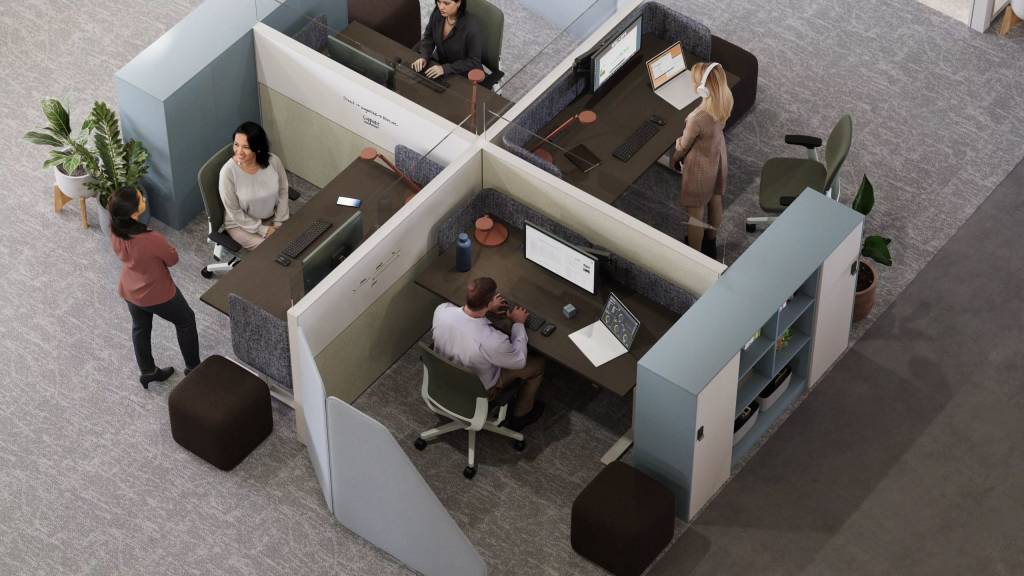
- The workstation pinwheel configuration supports individual comfort in an open plan environment. People no longer sit face-to-face, and panels provide additional shielding, eliminating visual distractions.
- Nearby pods provides everyone with access to acoustic privacy when needed.
- WorkValet lockers provide additional shielding, as well as a place for people to safely store their things.
- Height-adjustable desks encourage people to change their posture throughout the day.
.
The Blasé Café
Many café spaces offer basic hospitality and are used primarily for brief interactions or dining. It’s functional but not inspiring.
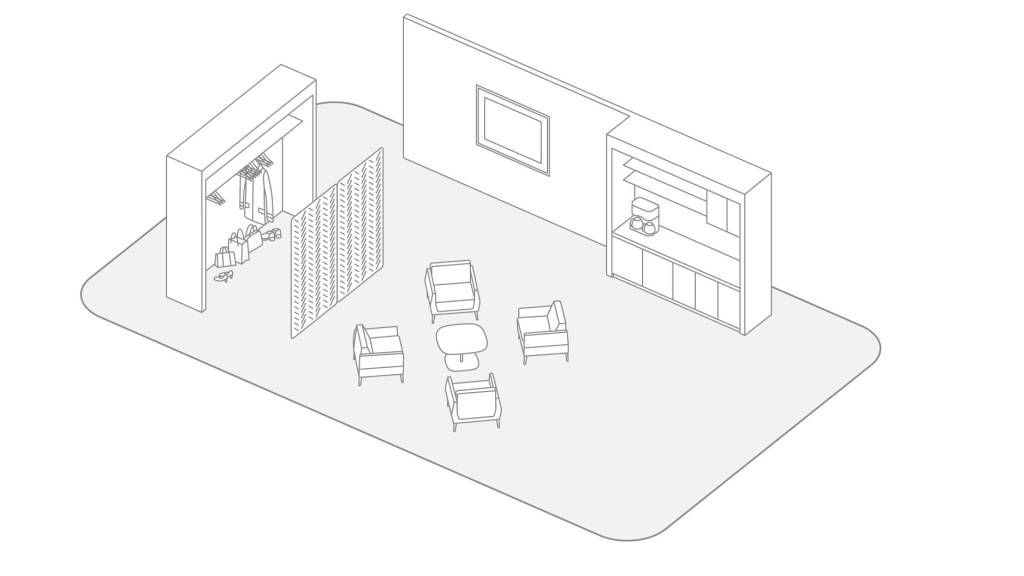
What’s not working: Furnishings support conversation, but don’t encourage lingering or collaborating. Storage space takes up a larger footprint that could be used to promote more connections.
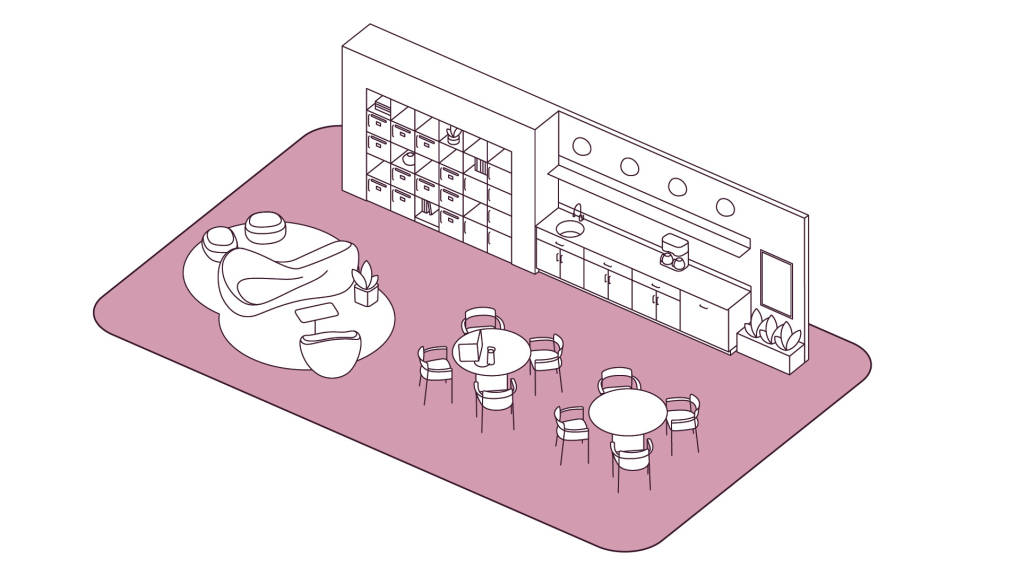
What to do: Create a versatile café that provides a welcoming touchpoint and encourages chance encounters that can build trust and culture.
Before
An uninspiring single purpose space fails to draw people in, remaining empty most of the day. Limited seating options and furniture do not support socialization or allow people to use the space for collaboration and individual work.
After
Lockers give people a place where they can start their day and safely store their
belongings. Steelcase research shows the presence of social hubs can increase engagement and belonging by 10%.
How it helps create community
This vibrant hub blends the comfort and energy of a café with the functionality of a workplace. As more organizations move to shared workstations, this space supports people’s new routines. At the start of their day, it provides them with a place to store personal items, grab a coffee and socialize. It also draws people together throughout the day — for casual conversations, dining,
focused work or impromptu collaboration.
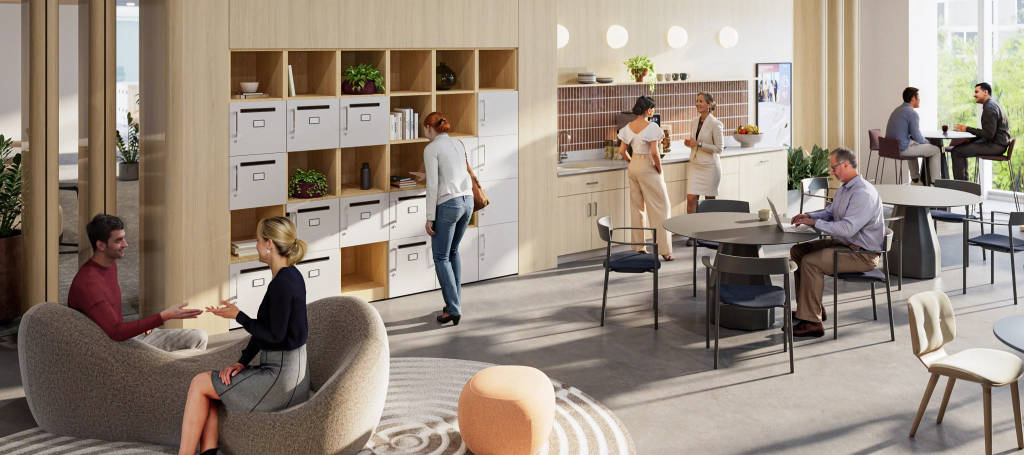
- A wall of lockers the time of day. creates a central spot where people begin their day, store belongings and build connections. Open cubbies display company artifacts and branding, strengthening the sense of belonging.
- Lounge seating supports an alternate posture and creates a welcoming social space where people can connect.
- Diverse settings and seating options create a welcoming space where people can work, eat or socialize — no matter what time of day.
.
Getting Started
Chances are, most organizations have spaces that just don’t work as well as they should. These underperforming areas are easy to spot — people vote with their feet. Understanding why they’re underutilized is often more challenging. These applications are examples of ways to help address these common problems. But there are many ways to design these types of spaces, depending on an organization’s specific needs and culture. (For some other examples, see “Reinventing Five Essential Spaces: Before + After.”
Every organization is unique, so it’s essential to examine your own spaces closely. Start by evaluating how they’re used to uncover what’s missing. This means digging into the unique aspects of your workplace and listening to a variety of voices across the organization to ensure the space truly supports everyone’s needs.
Steelcase offers several tools and resources to help:
Workplace Readiness Assessment – Measure the in-office experience to shape the right workplace strategy.
Guided Discovery Workshop – Identify needs and align on priorities together.
Concept Reviews – Visualize planning concepts to bring workplace goals to life.
Pilots – Test new ideas on a smaller scale before making big investments.
Ready to learn more?
Connect with your local Steelcase representative to get started.