
Designing Better Systems for Care
Steelcase research reveals how human-centered spaces can strengthen the clinician experience and lead to better patient care.
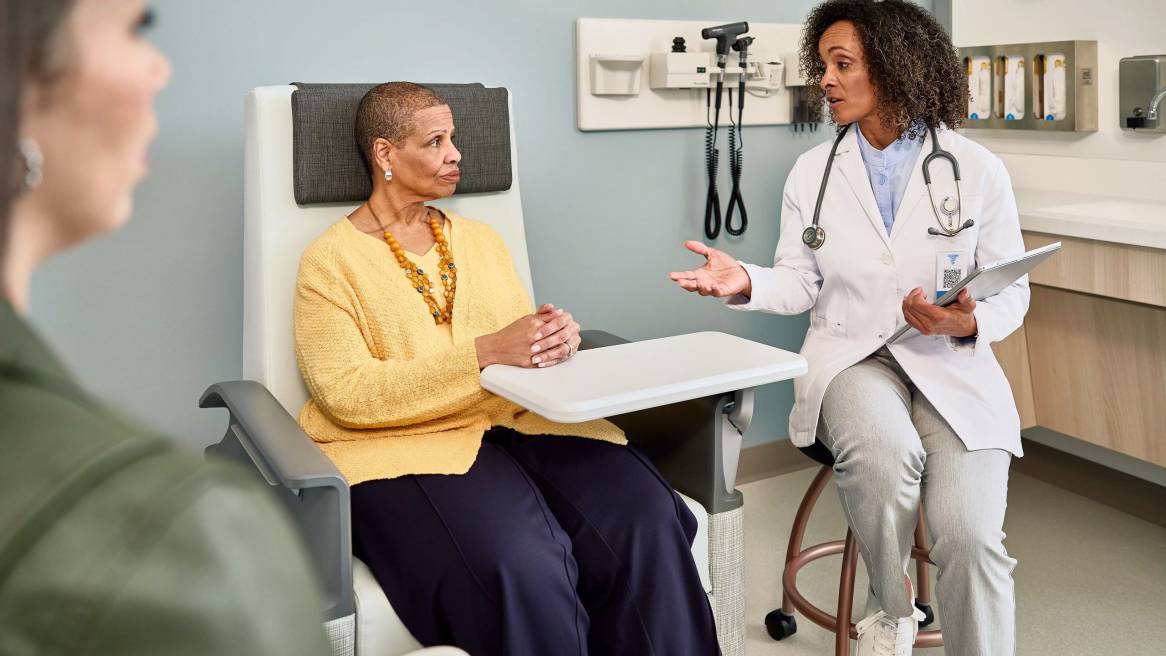
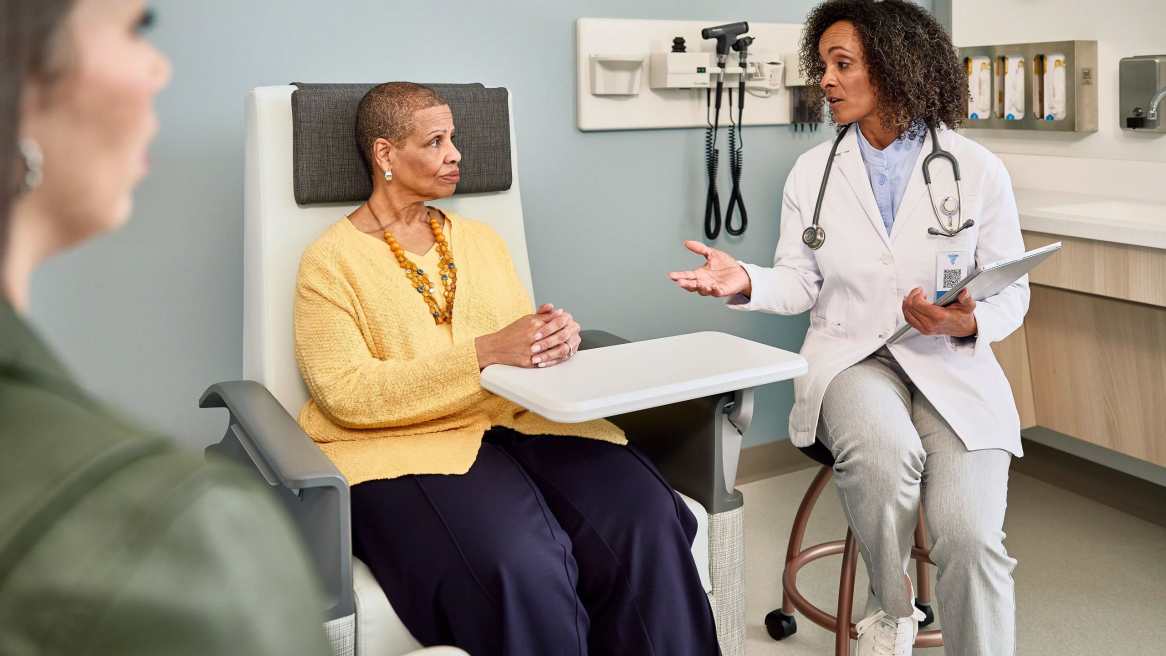
Clinicians spend their days, and often their nights, caring for others. They do it through long shifts, unpredictable schedules and moments of extraordinary emotional intensity. The pressure to perform flawlessly while showing empathy can weigh heavily on medical professionals.
Healthcare leaders are confronting an uncomfortable truth: the people who deliver care are exhausted. Burnout and attrition rates are rising, and many clinicians report that their physical environments make their jobs harder, not easier.
It’s a paradox familiar to anyone who’s flown on an airplane. We’re told to put on our own oxygen mask first before helping others. Yet in healthcare, caregivers rarely have that chance. Their spaces are often designed for efficiency, rather than to support those who provide care. While medicine and technology have advanced at record speed, the design of many clinical environments hasn’t kept pace. To help patients thrive, we must first strengthen the wellbeing of those who serve them.
Shifts Impacting the Clinician Experience
According to new research from Steelcase Health , the clinician experience is being shaped by three powerful forces:
- Societal Stressors
Shifts in demographics, expectations and the pace of innovation are creating new challenges for healthcare systems and those who deliver care. - Organizational Stressors
Recruitment challenges, shifting culture and evolving expectations are making it harder for organizations to adapt and deliver on both care and performance. - Clinician Stressors
Clinicians are under pressure to manage care alongside rising administrative demands, safety concerns and constant change.
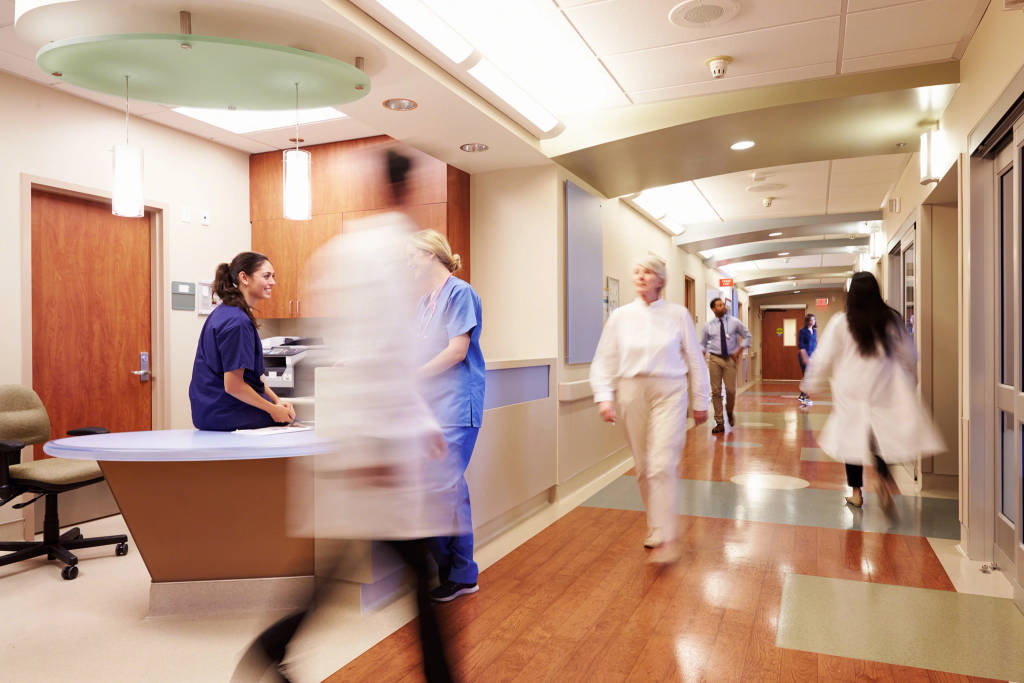
Together, these factors form a system of stress that affects performance, connection and care. Yet within that complexity lies the opportunity to design environments that help clinicians do their best work.
“Clinicians are telling us they need environments that help them perform and maintain their wellbeing,” says Jordan Smith, principal researcher at Steelcase WorkSpace Futures. “The best care happens when clinicians can think clearly, collaborate easily and find brief moments to recharge.”
These stressors are evident in hospitals and clinics every day, with some organizations beginning to rethink what care spaces can be.
From Strain to Support
Across hospitals, clinics and outpatient centers, many environments were designed for a different era of healthcare, one defined by routine and hierarchy, not adaptability and human connection.
Today’s clinicians move constantly between digital charting, team huddles, bedside rounds and moments of crisis. Yet their spaces often force them into rigid workflows and stressful transitions.
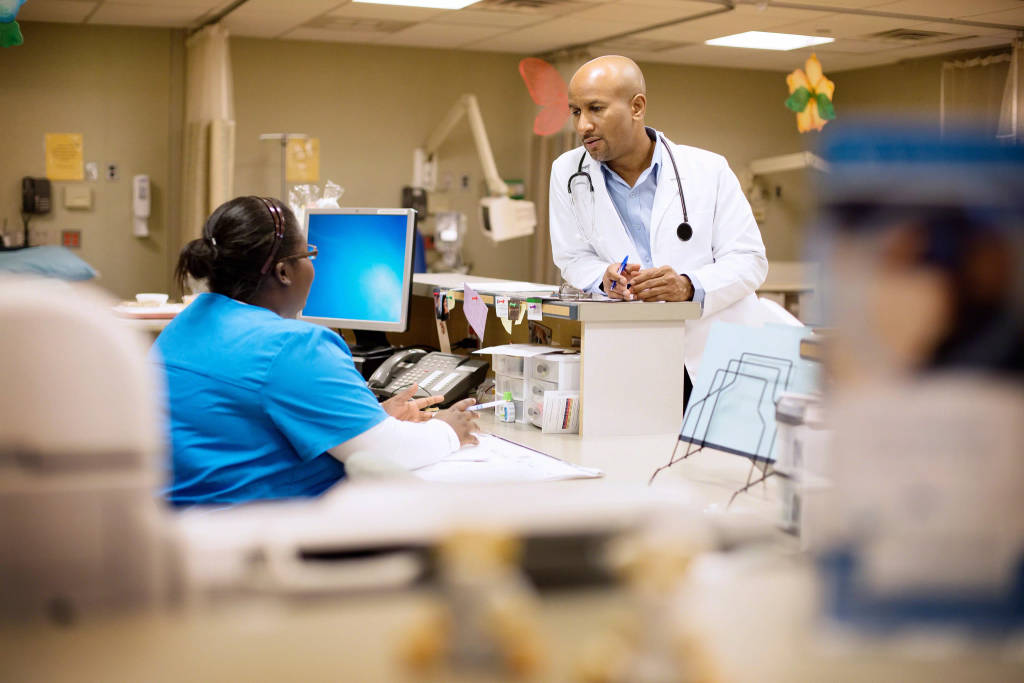
Some healthcare organizations are beginning to change that. Design interventions, from small respite rooms to multipurpose collaboration hubs, are giving clinicians places to breathe, reflect and reconnect. When thoughtfully designed, these environments do more than relieve stress. They can support better experiences for clinicians and patients.
“We’ve seen that even small changes to the built environment can have a big impact on how clinicians feel, how teams function and how care flows. It’s about creating the conditions for people to do their best work,” says Andrew Kim, director of research and innovation for Steelcase WorkSpace Futures.
How We Learned From Clinicians
To better understand how design influences the clinician experience today, Steelcase researchers conducted an in-depth study, examining how physical environments influence the daily realities of care delivery through direct observation and qualitative methods.
Through 59 clinician interviews, 229 diary entries and more than 50 hours of on-site observation, researchers captured what’s often unseen: the emotional and cognitive demands of care work, and how space shapes both.
About Our Research
Research at a Glance:
- 59 clinician participants across multiple roles and settings
- 229 diary entries logged in real-time moments
- 52+ hours of on-site observation
- 200+ industry articles and reports reviewed
What they found was not a single issue but a system of strain. Clinicians navigate constant interruptions, emotional highs and lows, and limited time for focused work. Break areas are often poorly located or overlooked altogether.
The findings revealed moments of tension between collaboration and privacy, empathy and exhaustion, focus and flexibility. Addressing these tensions requires more than new layouts or furniture. It calls for a deeper understanding of how people experience their work physically and emotionally.
Translating Insight Into Design
Using these findings, Steelcase Health helps organizations rethink how space supports care. Design decisions can either amplify strain or create balance. Spaces that accommodate both high-intensity work and moments of calm can strengthen performance, teamwork and emotional resilience.
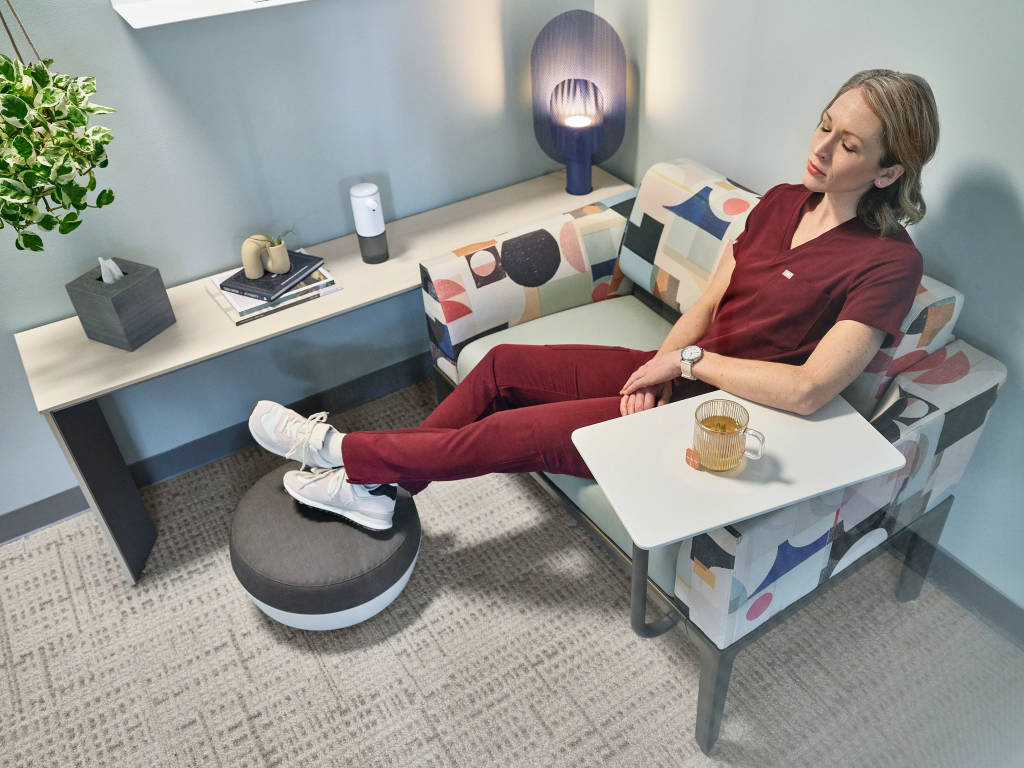
These insights now inform design strategies that help care teams thrive — from flexible team zones that encourage quick huddles to restorative spaces that give people a chance to pause and reset.
Caring for Those Who Care for Us
Healthcare is, at its core, human work. When clinicians have spaces that support connection, focus and renewal, they can bring their best selves to every patient interaction.
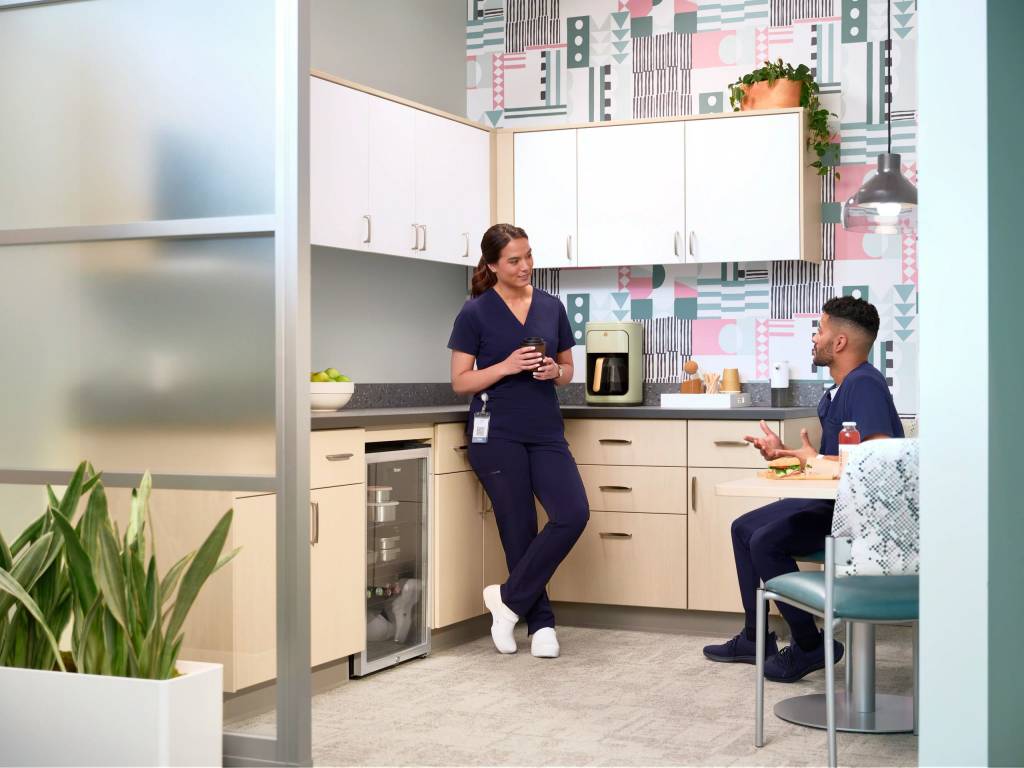
The research makes one thing clear: supporting clinicians through better environments ultimately strengthens care for everyone. Investing in better environments isn’t just an operational decision. It’s an act of compassion and strategy combined.
The research summary provides practical insights leaders can apply to support their own care teams, such as what clinicians need from their spaces and examples of insights in action.
Discover how research-driven design can improve care team performance and well-being.
Download Research Summary: