
Translating the transHuman Code
New book advocates for the importance of a human-centered approach to digital transformation
With the steady rise of technology in the workplace, it’s not uncommon to wonder when we’ll need to start making room for robots at the lunch table. And, while this scenario may feel a bit like sci-fi, it’s not too soon for companies to educate employees about the world of artificial intelligence and how it will affect their professional futures.
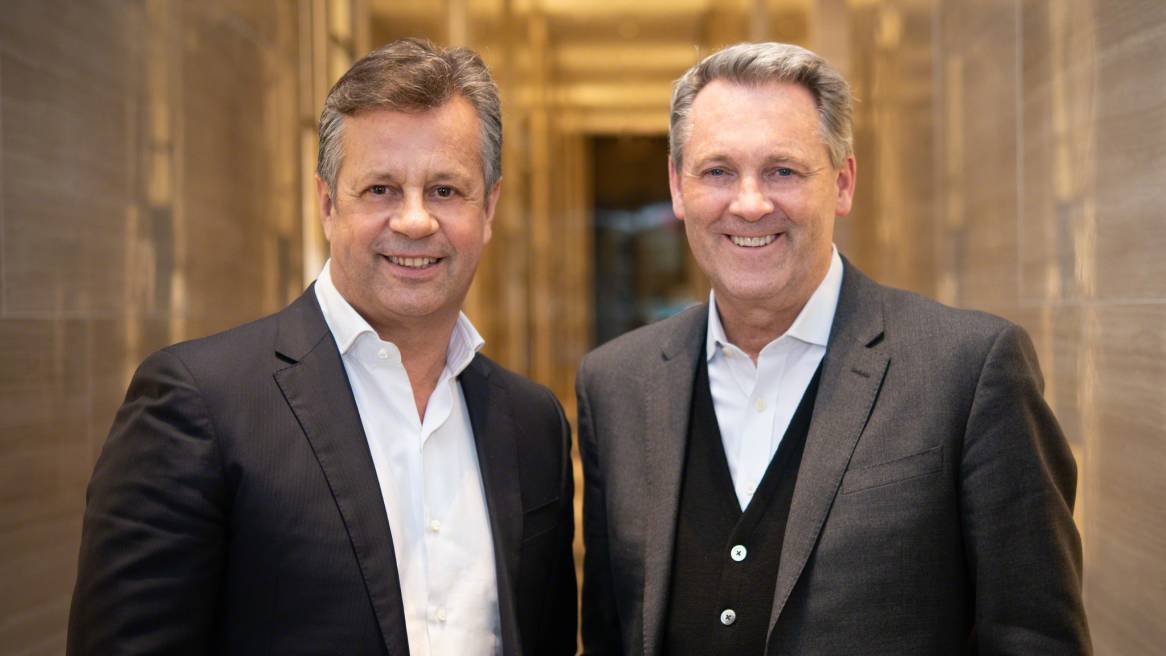
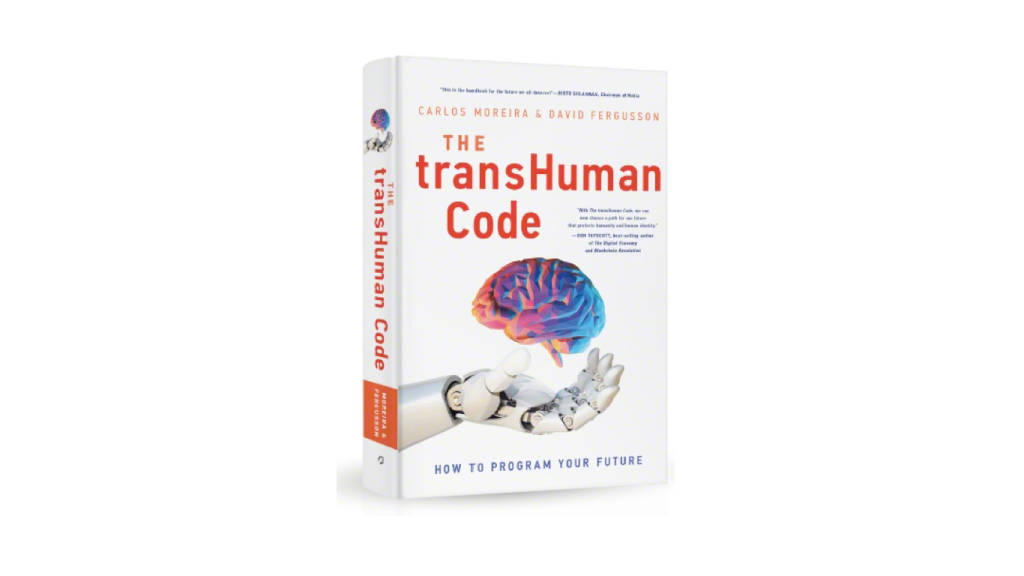
In their new book, “The transHuman Code: How to Program Your Future,” co-authors Carlos Moreira and David Fergusson explore the relationship between humans and technology, introducing a new set of values that keeps people at the center of this delicate dynamic.
Steelcase recently hosted the release of Moreira and Fergusson’s new book at its WorkLife Center in New York. 360 had the chance to catch up with Fergusson to learn more about the transHuman Code, how companies can create a more human-centered approach to technology, and which companies are leading the way.
360: Let’s start with the basics. What’s the transHuman Code?
David Fergusson: The transHuman Code points to our belief that in order for individuals to have the best possible future, we need to transform the relationship between humans and technology. It’s less of a formal, regimented algorithm and more of a way for us to approach the adoption of technology.
There are two core pillars of the transHuman Code. One ensures that humans stay at the center of gravity, so we’re the most important part of the relationship between humanity and technology. Second, that we’re using technology to advance all of humanity.
The opportunities for technology are greater than ever before. But so, too, are the threats. We need to uphold the recognition, consideration and application of what we’re referring to as the code.
360: How would you recommend that business leaders help support their employees through digital transformation?
DF: Unilever is a leader in this area. They recognized early on that they had to develop an HR strategy to help their workforce prepare for the inevitable transformation. They established a strategic plan for all of their employees based on three core pillars—capacity, capability, culture. Capacity speaks to the importance of learning to work in new and different ways. Capability is focused on continuous, lifelong learning. Culture is the responsibility of the organization to create a working environment where people believe they’re the most important element in the equation.
Knowing artificial intelligence (AI) was going to have such a dramatic effect on the workforce, they created an AI personal assistant program so employees could learn more about ai —how it’s going to transform their organization and how they should be preparing for the future.
It’s a very good example of an organization that’s putting humans first, helping them understand and helping them guide and direct what the future of the organization is going to be, and what their role is going to be within it.
360: There’s a lot of technology being layered into the workplace and it’s changing how people work and what kinds of jobs they’ll be doing in the future. How can companies help employees adjust to evolving technologies?
DF: The importance of looking beyond the current business environment is paramount. Corporations should be considering what technology’s impact will be on their workforce when they contemplate the adoption of new technologies. Establishing a filtering system that puts individuals first — those responsible for the business in the form that it exists today, has to be a top priority. And then, informing those individuals about what the future could be, providing a platform for them to be educated in the roles that will exist within the organization, and continuing to evaluate employee wellness forms the foundation.
360: What responses have you gotten about this idea of embodying humanity into the development of the digital future?
DF: When we began this initiative, we brought together academics, corporate leaders, finance leaders, technology developers and more. A really interesting cross section of individuals and a good representation of those who are developing and enabling technology. The consensus from that group was this is a conversation that needed to be had.
In fact, several of them were already pursuing the application of technology for goods. For example, ConsenSys Ventures had formed a venture capital arm to encourage and support new technology developments. The first criteria in their process of evaluating candidates was regardless of what the commercial applications were, regardless of how advanced it was, regardless of how established or even how cash flow positive it already was, if it didn’t create more social good, then they wouldn’t contemplate it. Forty-one investments later, there are 41 companies who not only have commercial aspirations and intentions, but also have technology that will be used to help create more good in some form.
360: What does the future look like with AI?
DF: The opportunities for artificial intelligence are so exciting. I believe AI really has the potential to bring great value. It’s certainly a risk for employers who don’t prioritize the identification, recognition and preparation for the transition of their workforce. But, what’s most exciting is the ability to make AI available to those who’ve been disadvantaged geographically, financially and mentally. So, the good will well outstrip the bad. There’s so many great, great things happening.
Learn more about the transHuman Code.
David Fergusson is the Executive Managing Director and Group Leader of M&A for Generational Equity, LLC, co-chairman of The M&A Advisor, and a director at WISeKey International. He founded the Corporate Finance Emerging Leaders program, was a founding member of London’s Guild of Entrepreneurs, received the 2017 M&A Leadership Award from the China Mergers & Acquisitions Association and serves as chairman of the U.S. chapter of the Asia M&A Association.
 David Fergusson is the Executive Managing Director and Group Leader of M&A for Generational Equity, LLC, co-chairman of The M&A Advisor, and a director at WISeKey International. He founded the Corporate Finance Emerging Leaders program, was a founding member of London’s Guild of Entrepreneurs, received the 2017 M&A Leadership Award from the China Mergers & Acquisitions Association and serves as chairman of the U.S. chapter of the Asia M&A Association.