
Ergonomics at the Speed of the Human Body
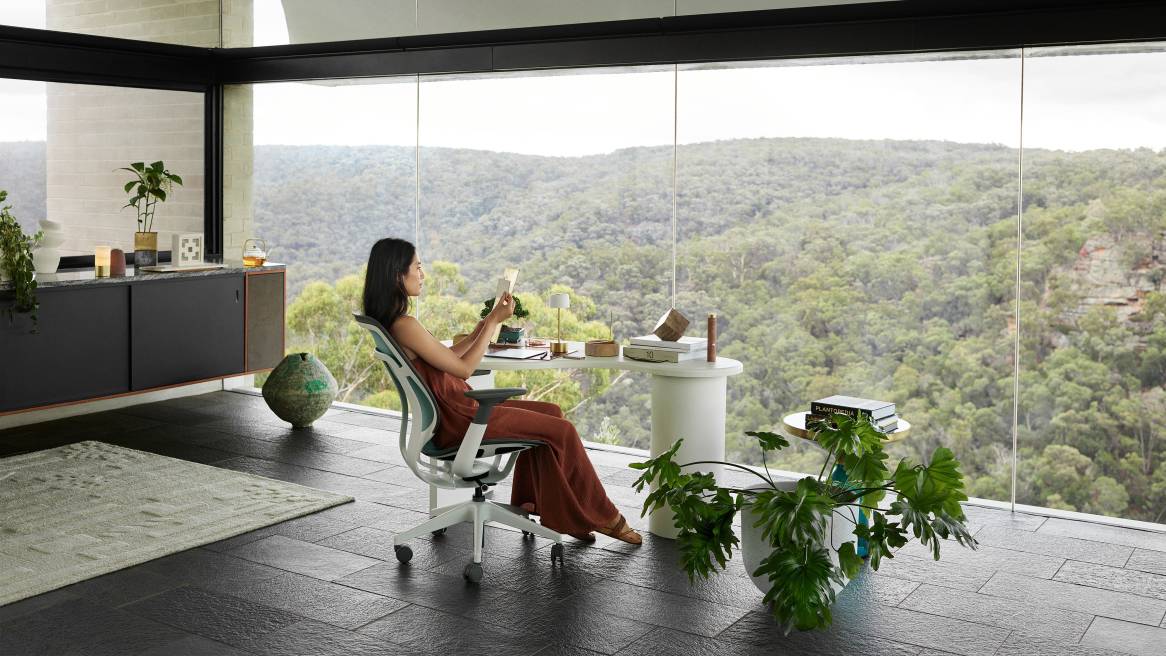
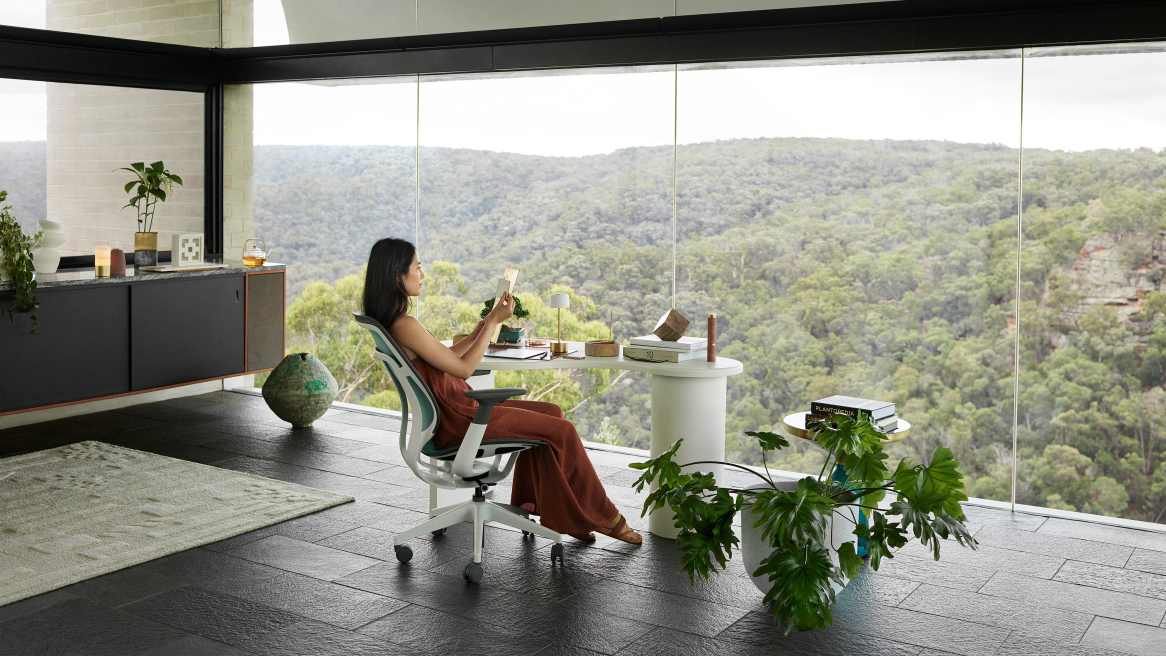
Ergonomic seating has long been designed around one simple idea: support the body while you sit and focus. Today, work is more dynamic.
People shift between devices, postures and tasks as they work. They lean in to focus, recline to review, shift sideways to check a message, and reset their posture throughout the day, often without noticing. Steelcase’s Global Posture Study found that new technologies and behaviors have created nine postures that traditional seating does not adequately support.
Work changed faster than ergonomic seating did
It is easy to blame discomfort on poor posture. But the bigger issue is that people are adapting to modern work faster than seating has adapted to them.
For years, ergonomic value has often been expressed through adjustability with more controls, more mechanisms, and more opportunities to fine-tune. But that still assumes the goal is to arrive at a correct position and remain there.
Our body now responds to smaller devices, changing sightlines, longer screen time, and more fluid patterns of collaboration. When chairs fail to support those movements, the consequences build over time.
Sitting was never meant to be static
Many chairs today still respond as if posture is expected to remain stable. It’s designed to support a limited set of expected positions, then lose effectiveness as people move beyond them.
Steelcase found that unsupported postures can contribute to shoulder strain, neck and back pressure, reduced circulation, and longer-term discomfort. When the body is working harder than it should, attention is pulled away from the task itself. Discomfort becomes a form of cognitive noise.
That idea sits at the heart of Steelcase’s Science of Sitting research, which notes that spinal movement is complex and unique, and a well-designed chair should adapt to movement, providing continuous support in every posture.
It also shows that when a chair supports movement well, it can help reduce fatigue, promote circulation, encourage healthier posture shifts, and improve comfort and productivity across the day.
A new benchmark is emerging
The modern ergonomic chair should be built around movement, because movement is now part of how people work.
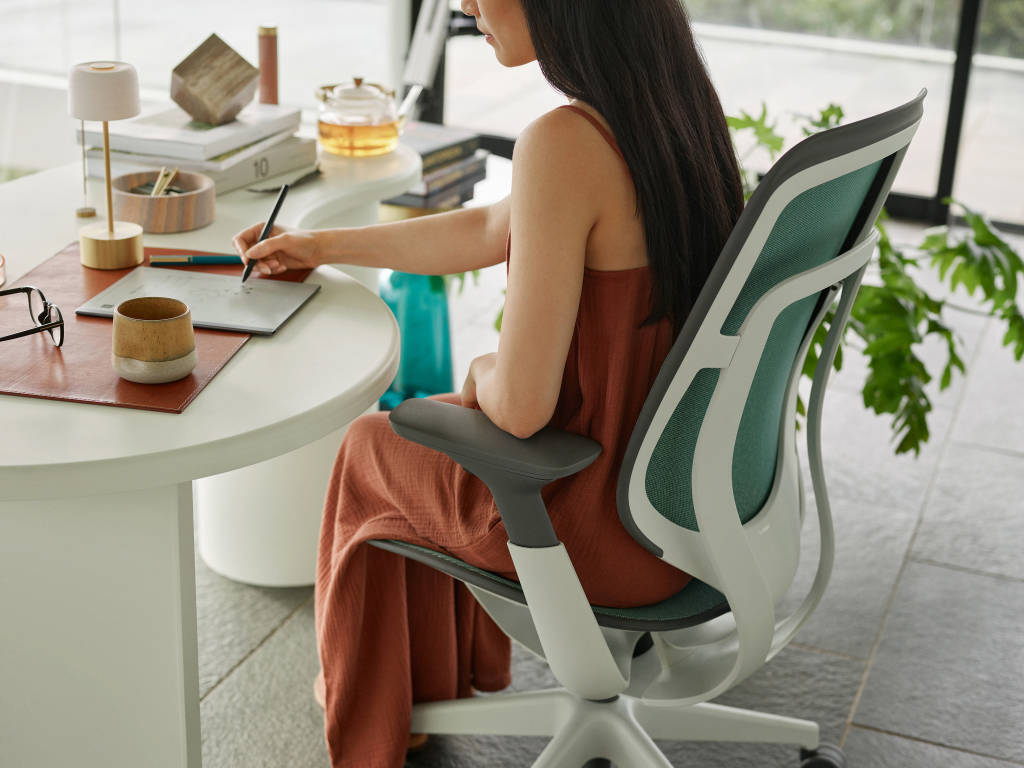
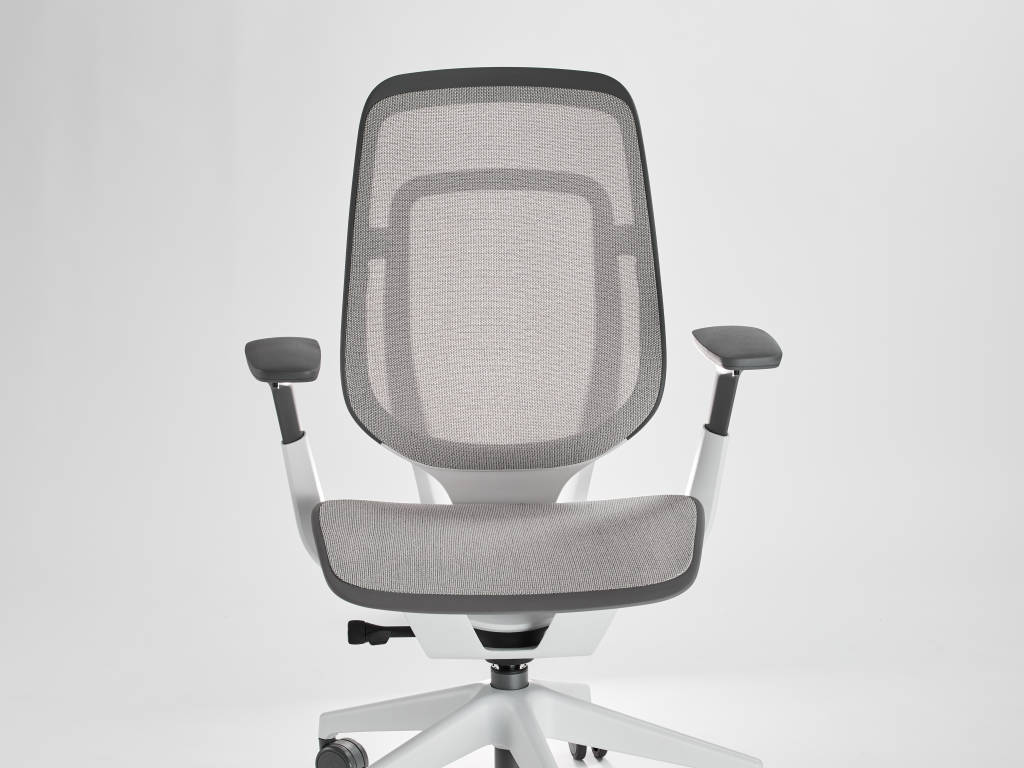
Steelcase Karman™ reflects that shift. With its proprietary performance textile, Intermix, support feels more fluid and less mechanical, helping the chair respond naturally as people lean, recline, and shift throughout the day.
Paired with one intuitive control and an ultra-light frame, it offers more responsive ergonomics, one that feels immediate and easy rather than requiring constant adjustment.
That distinction speaks to a broader shift in what high-performance seating needs to do today. In more conventional framed mesh systems, support can feel tied to rigid structures and slower mechanical response.
Steelcase Karman™ takes a lighter, more fluid approach, one that better matches the constant micro-movements of modern work rather than a fixed idea of sitting.
The future of ergonomics
Performance and wellbeing are pushing organizations to look at ergonomic seating differently. That means recognizing that posture is fluid, movement is constant, and support has to remain present through those shifts.
Static seating has changed because our understanding of the human body at work has changed, too.
The future of ergonomic design lies in seating that responds quietly and continuously to the way people work. Now made in Asia, discover how Steelcase Karman™ brings that shift to life with support that feels more natural, immediate, and in step with the body.