
Inside Innovation
Changing Mindsets
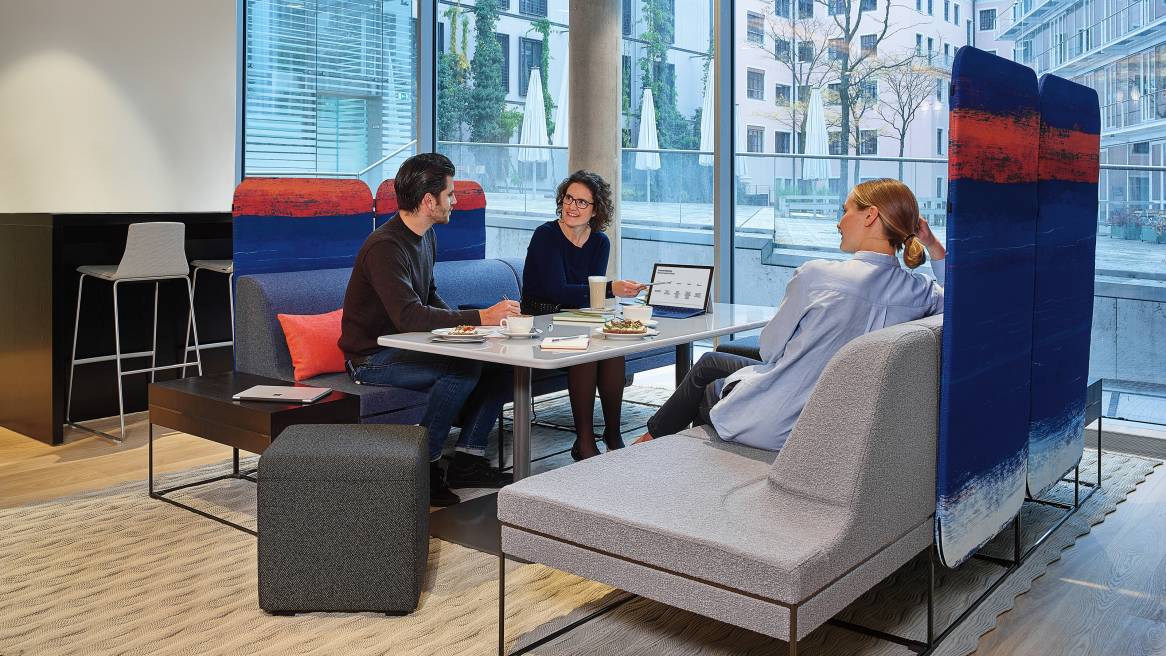
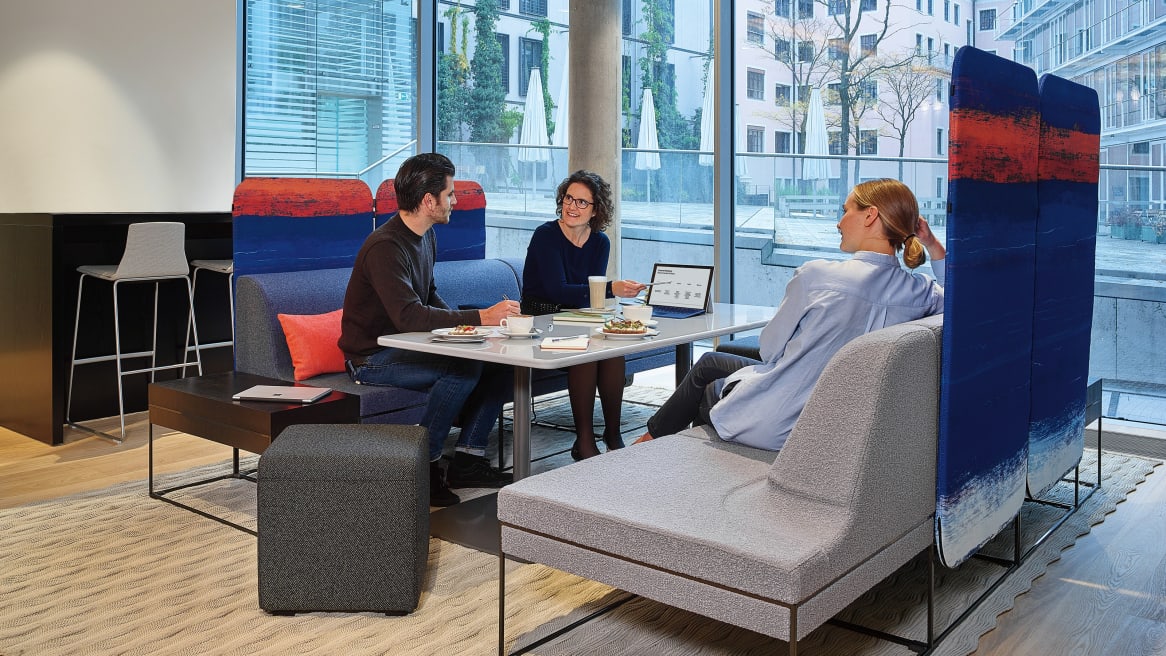
The LINC serves as an organizational incubator where people can build stronger networks with each other and more effectively collaborate with their counterparts around the world. It brings together cross-functional teams previously distributed across Europe, the Middle East and Africa (EMEA). Additionally, leaders occupy a zone within the LINC that helps them to be more accessible to employees, participate in creative problem solving and become a closer-knit community.
Intended to serve as a catalyst of change, its design is based on the principle that rapid learning, creative work and agile teams are the building blocks of innovation and that the physical workplace can promote and nurture these kinds of activities.
“Behaviors change when mindsets change, and that happens through the experiences people have at work,”
Laurent Bernardvice president of Steelcase global talent management.
Learning was fundamental to achieving the mindset shift the company was looking for. Three key insights—seemingly simple, yet profound ideas—guided the design, which supports informal as well as structured learning.

1. Learning happens everywhere
It’s not limited to a classroom. When work is transparent and people are accessible, employees can see and hear as problems are getting solved and learn from watching as well as participating in the process.
2. It’s a never-ending journey
Rather than thinking of learning as episodic, like attending a conference or training session (which are certainly valuable), it’s more about a culture that encourages experimentation and ongoing evaluation—without punishment for people who take risks.
3. Everyone is a teacher and everyone is a learner
It’s not only people whose job it is to train others or executives and long-term employees who teach. Everyone can share ideas and experiences. This happens when the culture encourages the humility to admit, “I don’t have all the answers,” and being open to new ways of thinking.
“Being a learning organization means focusing on the dialogue, the talents and the ideas that everyone can contribute,” says Bernard. “It’s not just leaders making all the important decisions about projects and where the company is headed. Instead, it’s giving every employee opportunities to share what they know, to express what they aspire their company to become, and to really believe that change starts with them.”
NEXT CHAPTER – Reimagining the Workplace
PREVIOUS CHAPTER – Introduction