
New Research: 5 Ways Your Office Will Change by 2027
From the boardroom to the breakroom, fresh data shows leaders believe an office overhaul is overdue.
The modern workplace is in the middle of a quiet revolution – driven by shifting habits, bold leadership decisions, and a growing realization that the office, as we knew it, needs a serious rethink.
Steelcase recently surveyed nearly 500 U.S.-based decision-makers across industries and regions, and the message is clear: leaders realize the office is more than a piece of real estate. It’s a strategic tool to spark collaboration, support wellbeing, and boost performance in uncertain times. But here’s the challenge – while work patterns and attendance are stabilizing, AI and sustainability are reshaping the landscape – and that demands ongoing flexibility. The workplace needs to stay adaptable because the situation is fluid (you’re feeling it, aren’t you?). Spaces that aren’t designed for future ways of working could risk becoming outdated and less functional with time.
1. Stabilizing work patterns brings confidence
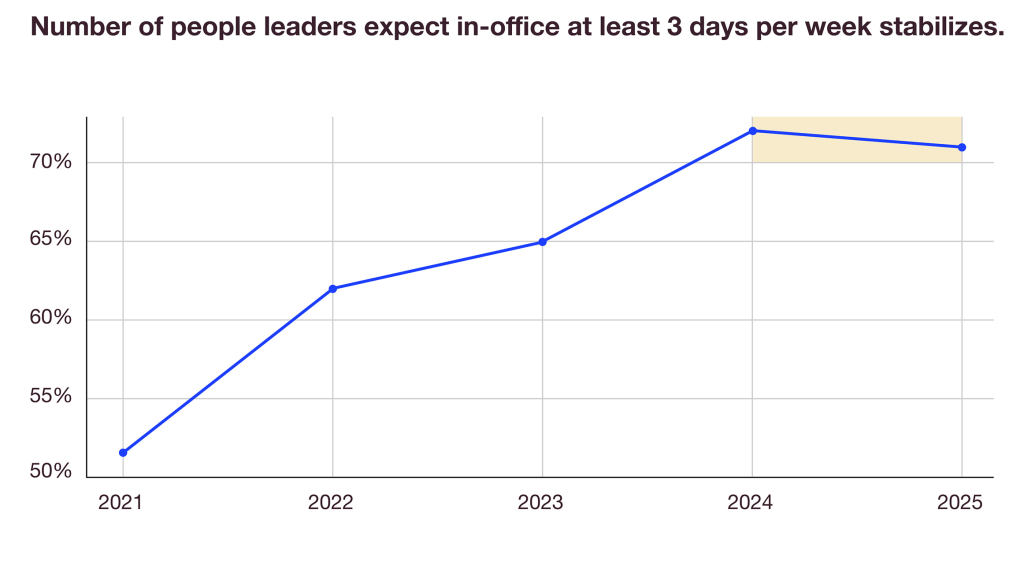
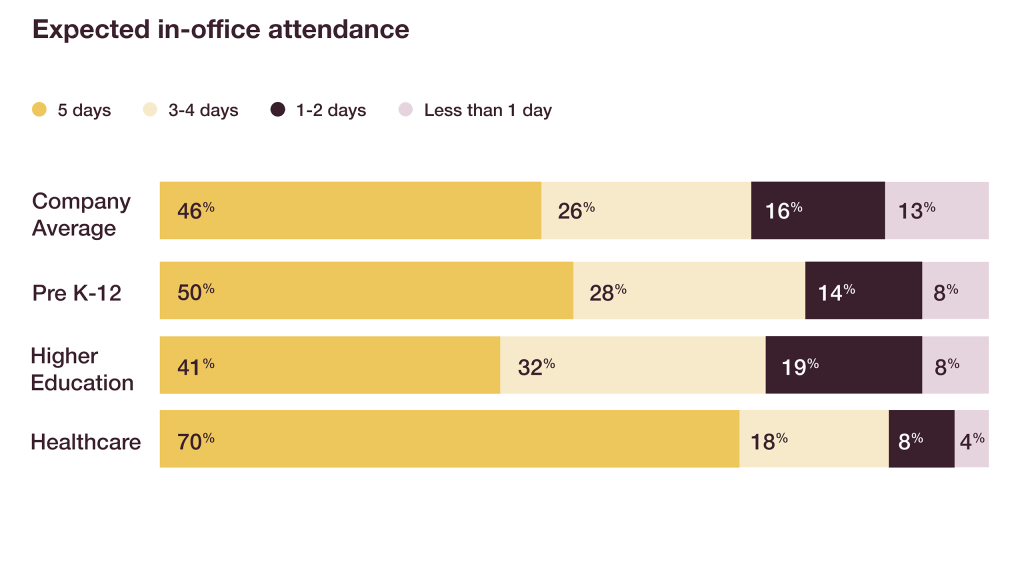
After years of uncertainty, the dust is settling, and we have a clearer picture of hybrid and in-office work behaviors. Leaders expect almost half (46%) of employees to be in the office five days per week, while the number of people expected to work at least three days a week in-office has consistently hovered around 70% for the past two years.
Most people expected in office 3 days per week
Takeaway:
As hybrid work patterns stabilize, organizations are gaining clarity and confidence in planning for the future. With nearly half of employees expected to return to the office full-time and a consistent 70% presence at least three days a week, leaders can now make more informed decisions about space design, culture, and collaboration.
2. Organizations need to flex for what’s next
If the pandemic was the wake-up call, 2026 is the year leaders plan to roll up their sleeves and make meaningful changes to their offices.
96% of leaders plan to update their workspaces in the next two years.
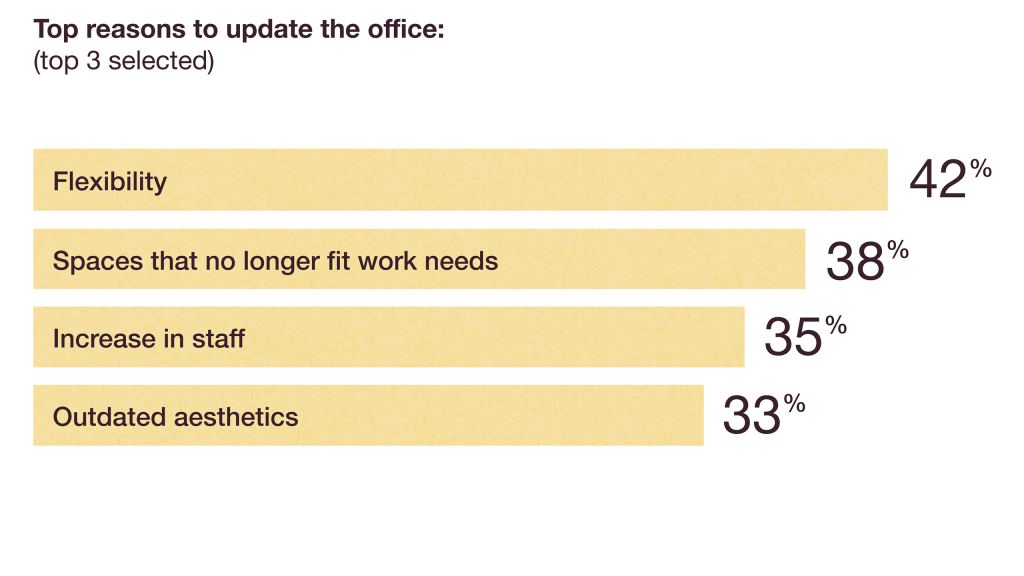
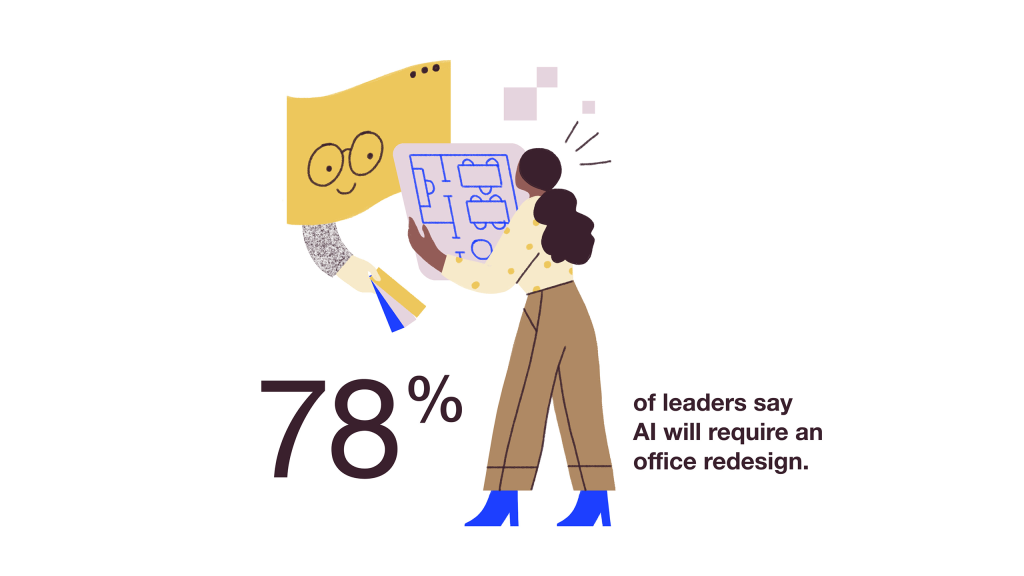
The need for greater flexibility is also driven by the unknown ways in which AI will change the nature of people’s jobs and the ways they’ll work as the technology matures. As AI continues to reshape how and where we work, spaces need to be ready to evolve alongside it.
Most companies plan to redesign their office for AI
Steelcase WSF Futures 2025 AI Chooser Research, Samples size 146
Takeaway:
Leaders clearly feel a sense of urgency about their offices after years of waiting for the pandemic dust to settle. Updating aesthetics and technology matter, but the immediacy is driven by the need to be more flexible and adaptable in the face of change today and the likelihood of more change in the future. As organizations race to unlock the benefits of AI, the workplace is becoming a strategic asset in that transformation.
3. Elevating the employee experience
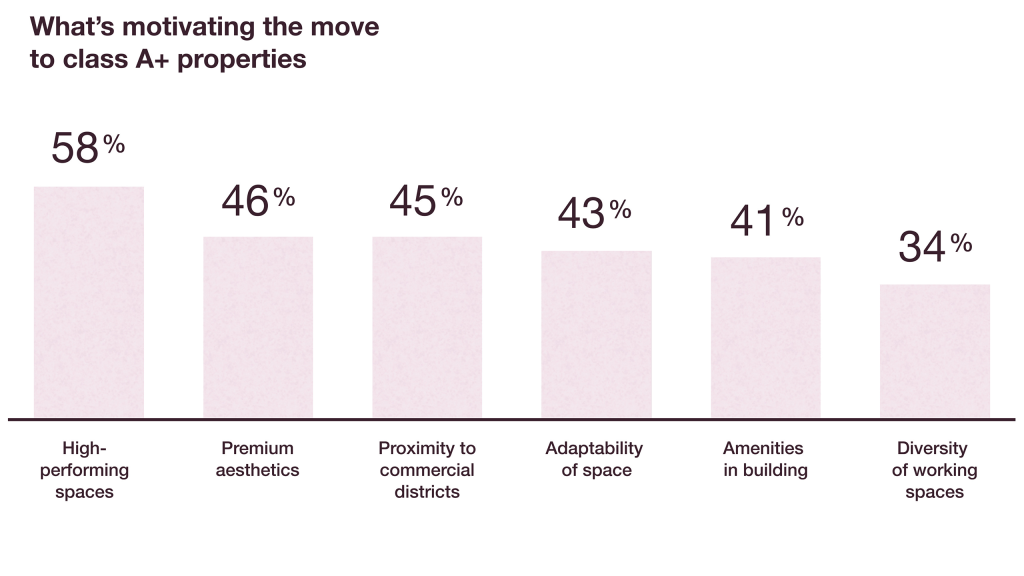
The “flight to quality,” as it’s been dubbed, is about creating a better employee experience. Updated aesthetics matter, plus having adaptable, hard-working spaces located in a vibrant office neighborhood creates the kind of environment that makes people want to come to work in the office.
70% of organizations already have – or plan to move to – higher-tier properties. The goal? High-performing spaces that provide an elevated experience and support productivity and adaptability.
4. Dynamic desking adds flexibility
As the picture around in-office attendance and hybrid work becomes clearer, so does our understanding of how space is being used. A decade ago, most offices were still built around a one-to-one desk-to-employee ratio. Today, that model has shifted dramatically in response to the rise of hybrid work, new ways of working, and a growing need for flexibility.
Most organizations plan for 2:1 or higher workstation-sharing ratios

Takeaway:
The way desks and workspaces were designed even a few years ago aren’t working for today’s needs. The shift from one-to-one desking to unassigned desks requires a growing emphasis on flexibility, efficiency, and adapting to evolving and diverse workstyles.
5. Human-centered needs matter more
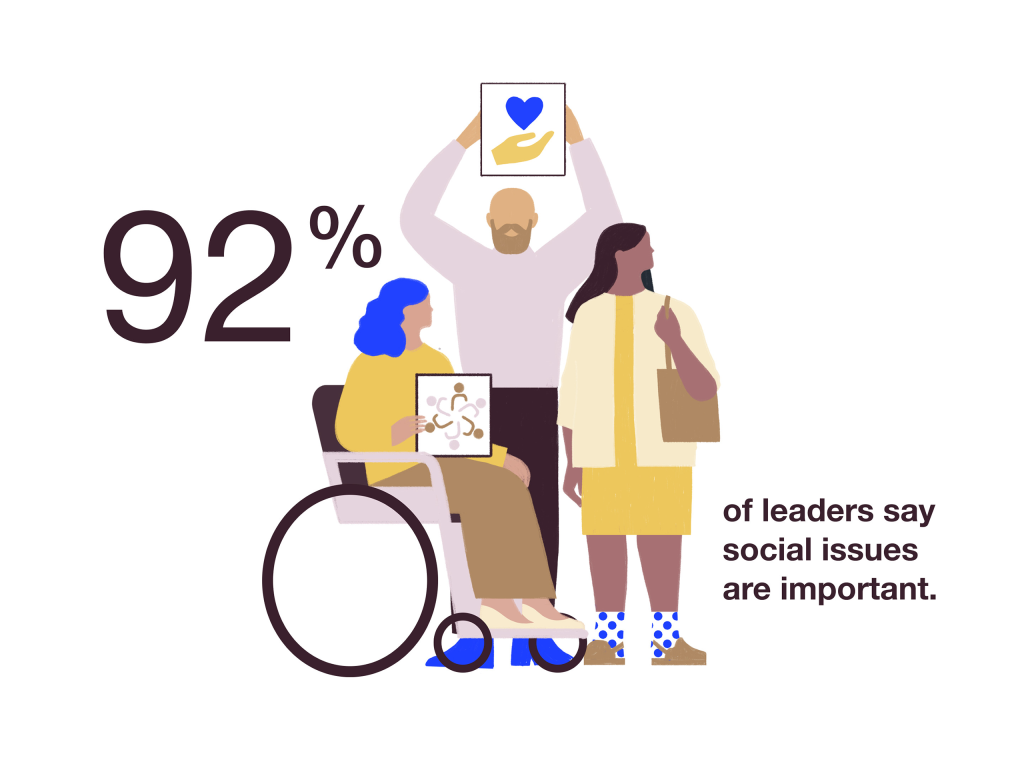
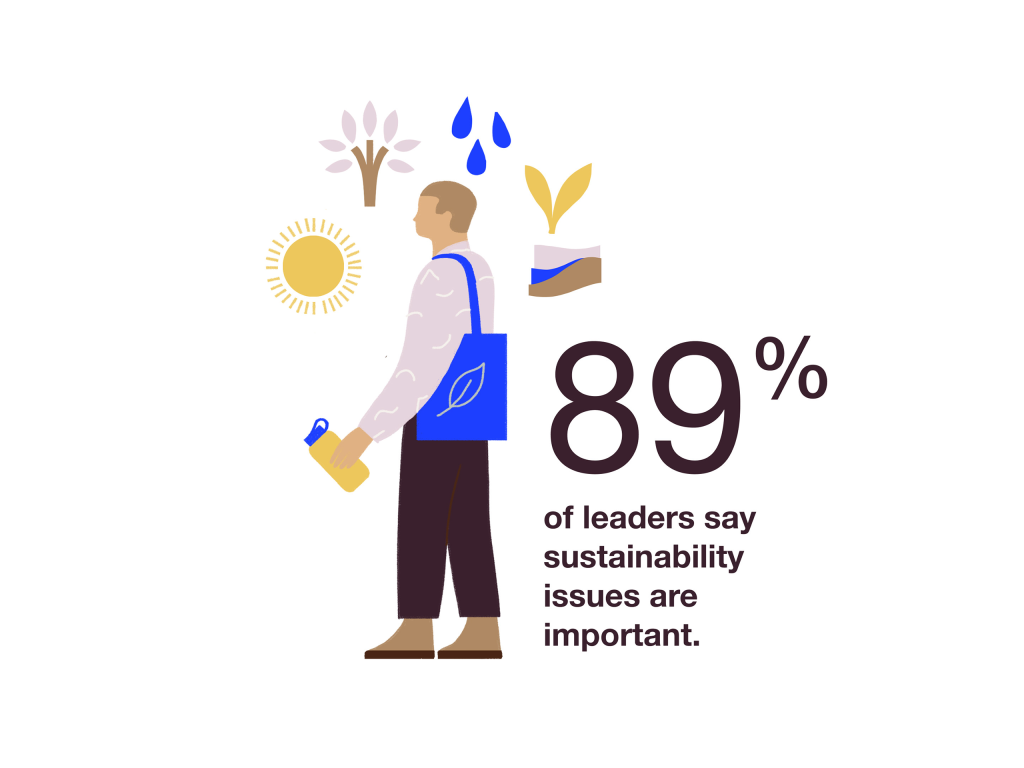
Continued concern about sustainability and social issues like inclusivity, wellbeing and belonging will influence how offices are designed. Inclusive design principles and environmental stewardship rank as important aspects of workplace planning for today’s leaders, who are looking for a workplace that is more supportive of the people who use it and that provides long-term value.
People and planet commitments remain high priorities
Takeaway:
Flexible offices play a key role in this shift: they’re more sustainable by nature, and more inclusive by design, offering environments that can meet a wide range of needs. Organizations that embrace this approach are building spaces that support people, purpose, and progress.
The light after a long journey
Organizations have navigated uncharted territory during and after the pandemic, from remote work upheaval to hybrid growing pains. But now, there’s a sense that change is not only possible, it’s already underway.
Stabilizing conditions give leaders the confidence to move forward. And with emerging tech like AI and people and planet issues driving the next wave of transformation, flexibility isn’t optional — it’s essential.
Communities: A model for resilience and adaptability
The most vibrant communities constantly adapt to the changing needs of the people who live there. An unused storefront becomes a coffee shop or art gallery. The library adds more group spaces where people can gather. This is the inspiration and core idea behind Community-Based Design, Steelcase’s approach to reimagining the workplace as a dynamic ecosystem based on principles from urban planning. Its methodology is based on designing the workplace with distinct “districts” that support different kinds of work – from collaboration and learning to rejuvenation and focused tasks. This approach treats employees as members of a community to have choice and control over where and how they work, enabling them to move fluidly between spaces based on their needs and roles. Community-Based Design creates flexible and adaptable environments that evolve with changing work patterns, enabling leaders to meet the needs of their people and organization by fostering productivity and human connection.
Hybrid work patterns vary by industry
The latest Steelcase research reveals most business leaders expect people to spend three-to-five days in the office, with healthcare administration leading the way. These work patterns have stabilized over the last two years, and leaders now appear ready to improve outdated and underperforming spaces as employees spend more time in the workplace.
Source: Steelcase Leader Research 2025