
Transforming IT at Steelcase: An Agile Case Study
Introduction
Chapters
- Introduction
- The Road to Agile
- Key Insights
- What Work Looks Like Now
- Measurement
“We didn’t start with agile. We started with a new perspective for IT — to be a better business partner for the organization and to become customer-centric. We discovered that agile aligned with those aspirations.”
Steve MillerSteelcase CIO
Digital transformation requires a much closer connection to the customer and the ability to innovate and execute quickly. Forrester recently reported if companies don’t reinvent with technology at the core, they will watch customers defect. In essence, the business will suffer if organizations don’t figure out how to reinvent and redefine the work of information technology groups so that they can get closer to their customers. A successful transformation requires a holistic approach that considers people, process and place.
Steelcase, like many organizations, is undergoing this transformation, developing an evolving vision for its business and IT team.
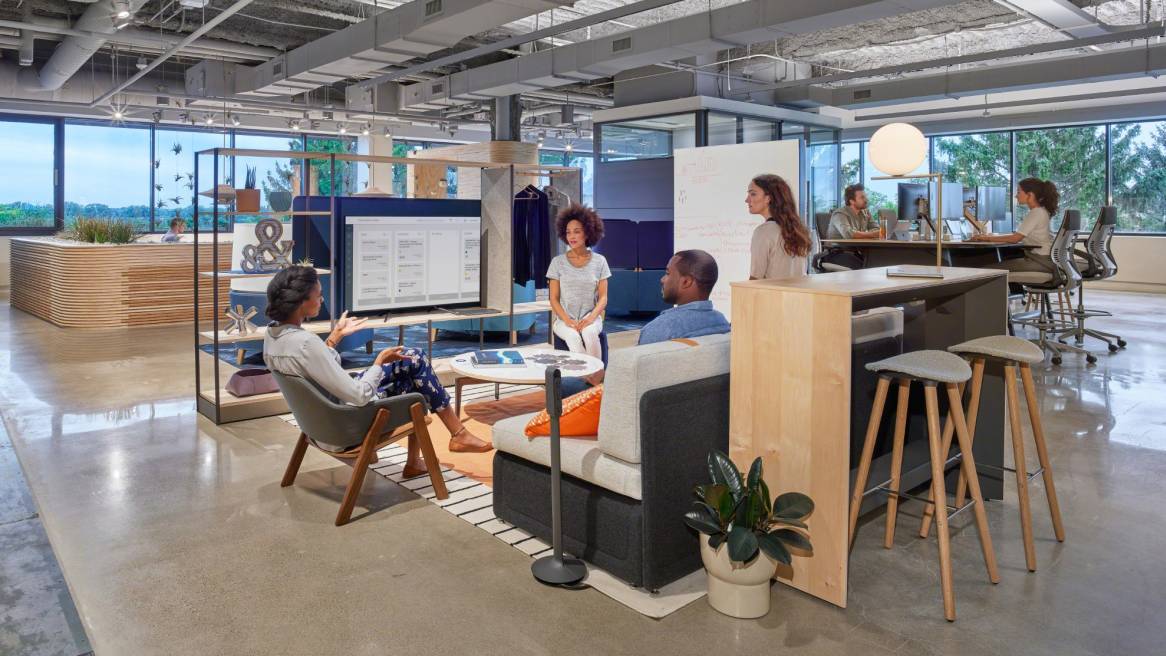
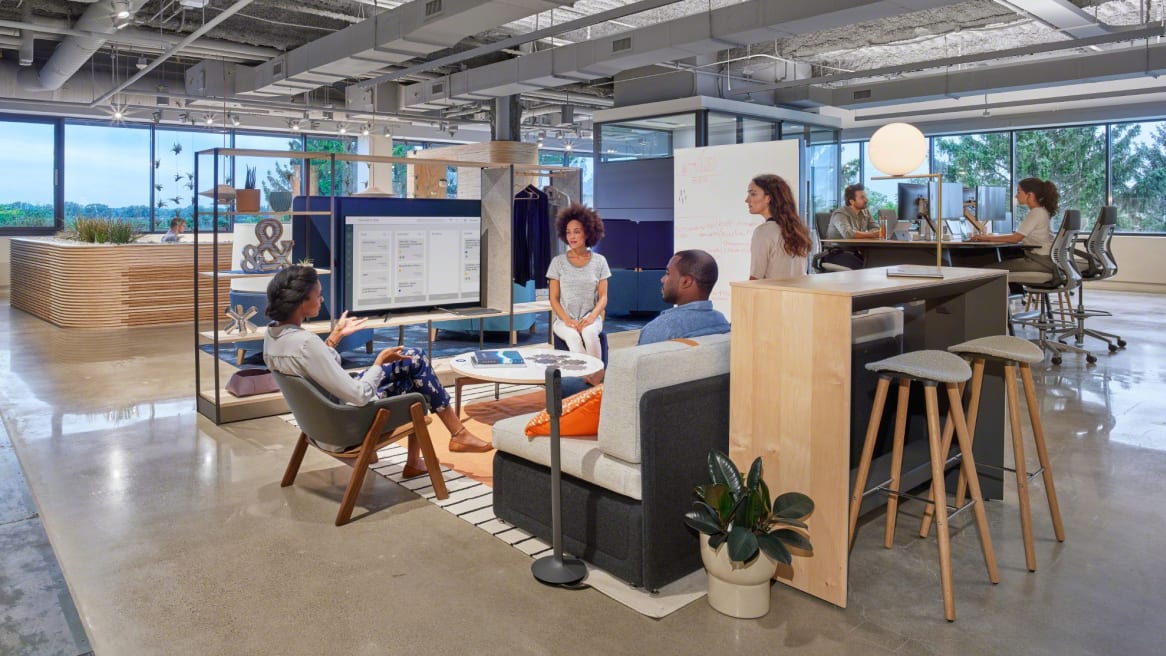
A new team-based workspace created in its Grand Rapids, Michigan Global Business Center is the outward manifestation of a complex change. It isn’t just about creating the kind of space that attracts technology workers (although it does), it’s about using the space to support agile processes and foster a more agile culture among the 400 IT professionals at Steelcase in Grand Rapids.
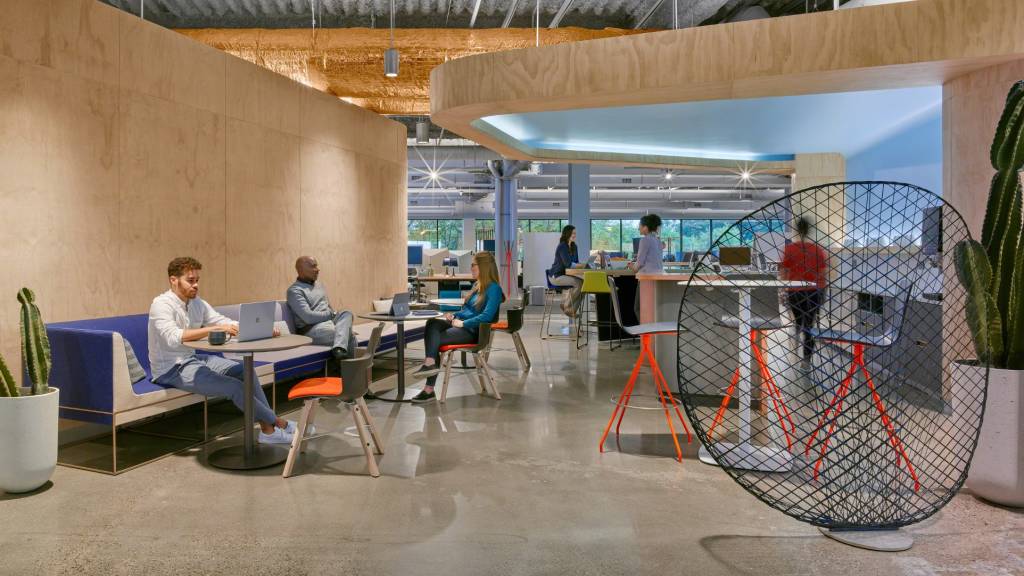
There’s a lot about this journey that makes it unique. Leaders and teams have had an unprecedented depth of involvement. Learning has been conscious, intentional and codified. The amount of prototyping has been significant; and the engagement processes have been comprehensive. From discovery to measurement, the entire company is learning deeply, and in the spirit of agile work, sharing new insights even as they evolve.
NEXT CHAPTER – What Is Agile?