
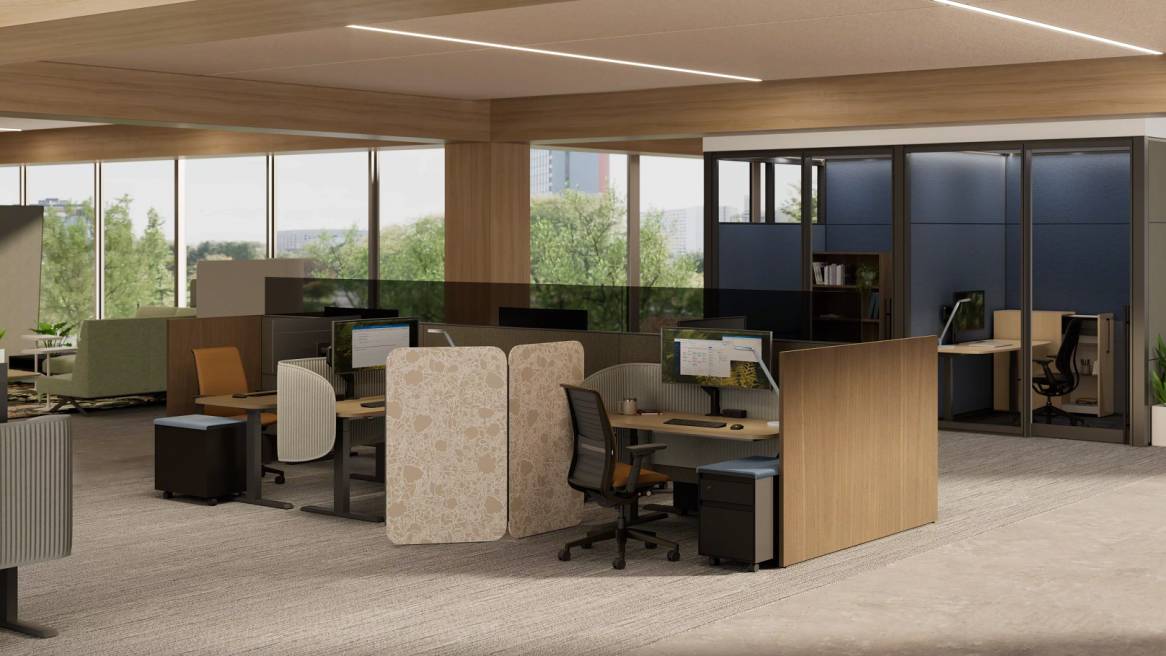
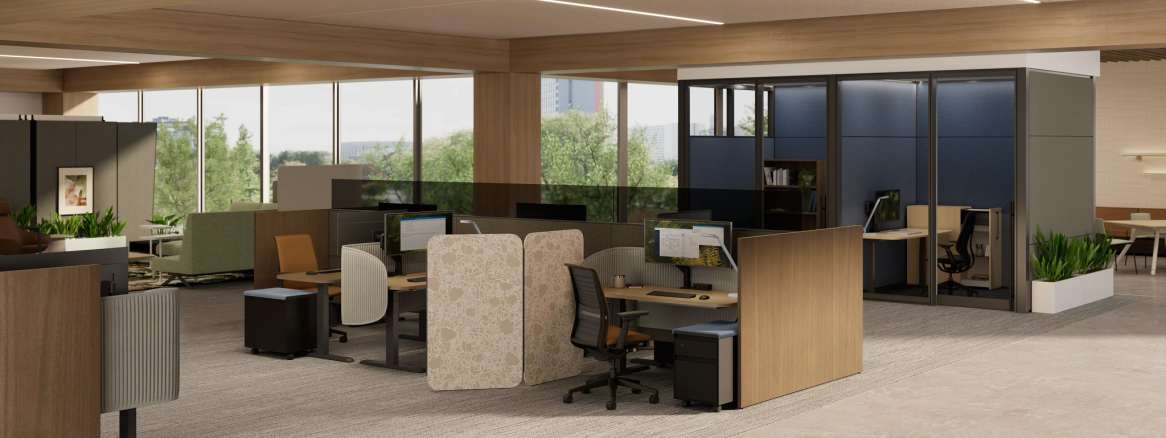
The most inspiring spaces can also be the most sustainable. During the design process, having a sustainable mindset helps create beautiful, high-performing spaces with sustainability built into every detail.
Sustainable Spaces Design Guide
Download the Sustainable Spaces Design Guide to explore design principles, inspiration, materiality and resources to help bring sustainable design to life.
Thought Starters
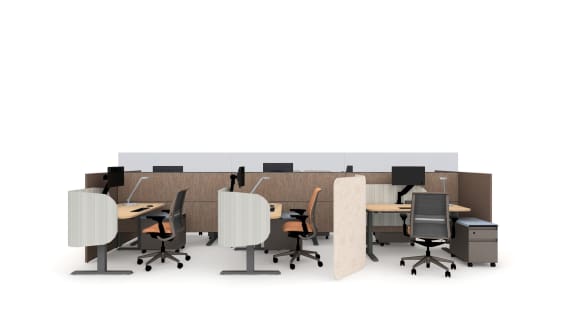
A panel-based workstation supports sustainability through flexibility, reuse, adaptability, and material life extension, as modular panel systems enable reconfiguration, part replacement, and privacy changes without a full teardown.
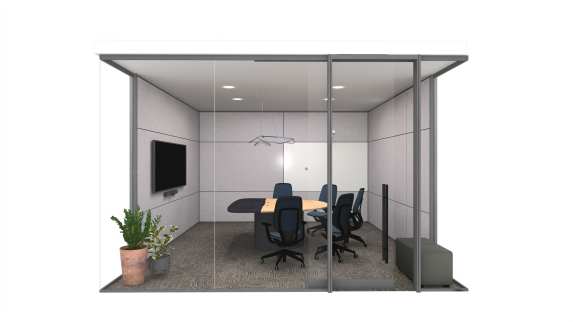
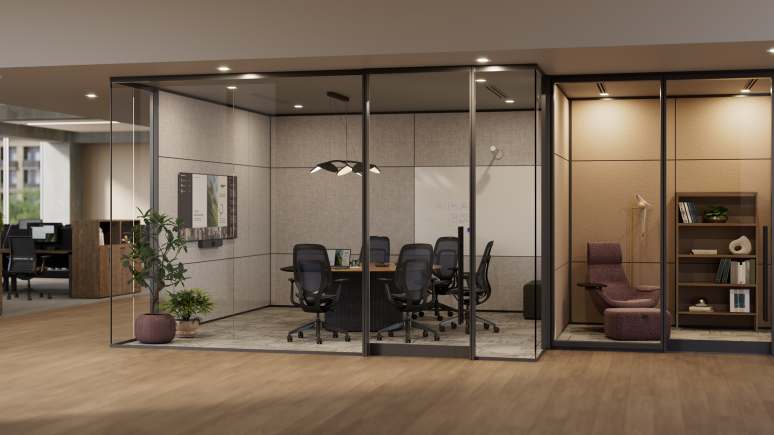
A meeting room prioritizing human health and long-term durability supports shared use, frequent occupancy, and long service life. It features low-emitting products supporting indoor air quality and occupant wellbeing.
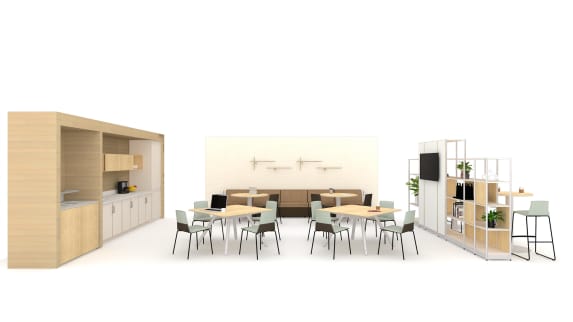
A café setting supports human health, durability, and everyday use achieved by selecting furniture that withstands spills, wear and heavy use, with redeployment in mind in a demanding workplace setting.
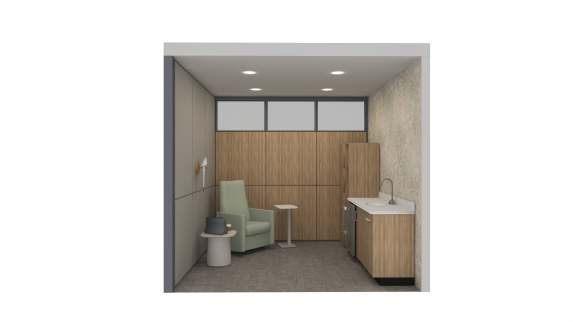
A mother’s room prioritizes products and materials that aim to protect occupants from VOC exposure, chemical residues and poor air quality, while also considering products that are durable and have recycled content or high recyclability.
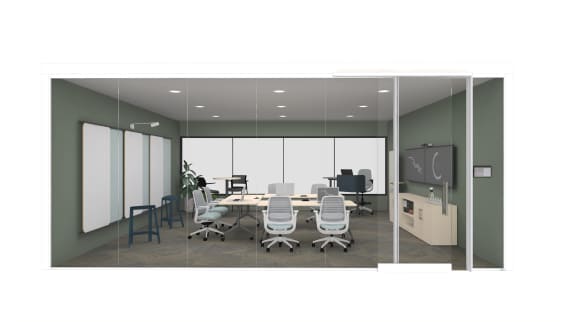
An adaptable training room designed for longevity and adaptability, with an emphasis on circularity through reuse since products support mobility, nesting and redeployment to extend the use cases for the products as needs change.
Design Principles for Sustainable Spaces
Creating more sustainable spaces starts with intentional choices. These design principles serve as a guide for specifying products, materials and environments that support wellbeing, advance circularity and help reduce environmental impact. By considering sustainability through every phase of design, we can create places that perform better today and contribute to a better tomorrow. Together, these principles encourage a thoughtful approach to designing spaces that are better for people and the planet.

Reduce Carbon
Choosing products with Environmental Product Declarations (EPD) for spaces is one way of many to reduce carbon

Choose & Use Materials Responsibly
Using materials with verified transparency and looking for meaningful recycled content in product selections helps reduce impact.

Design for Circularity
Specifying products with durability and longevity, adaptability and reconfigurability helps reduce waste.
