
When Less Does More: Redefining Ergonomics through Sustainable Engineering
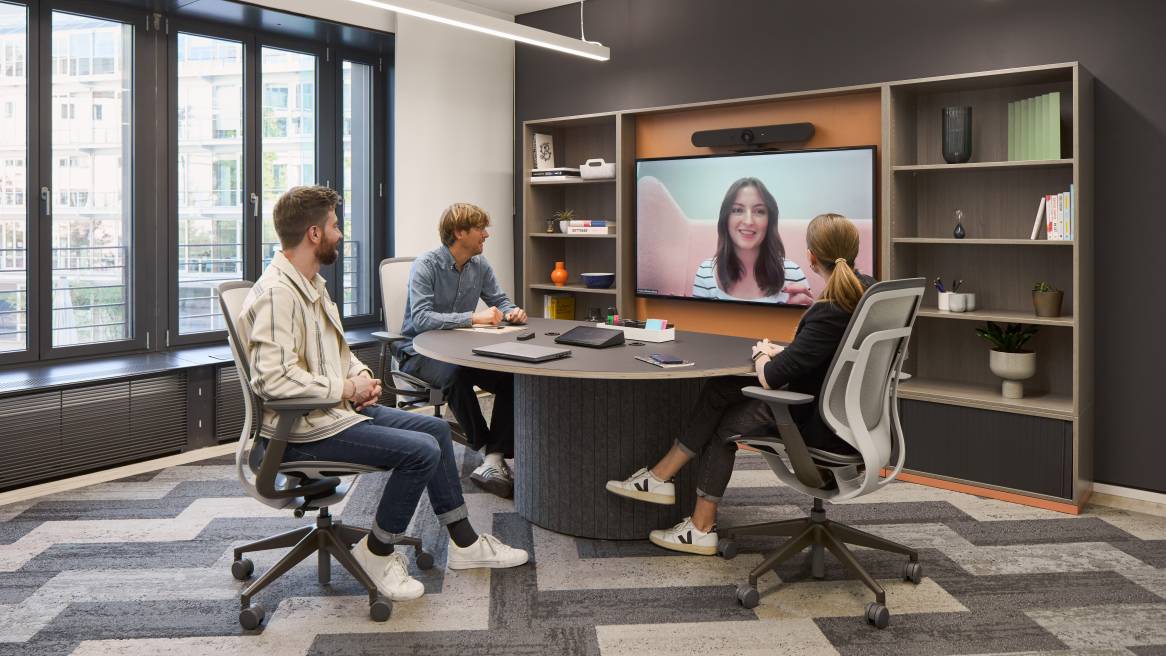
Workplace design has often linked better ergonomics with greater complexity: add more controls, more mechanisms, and more layers of adjustment to deliver better support.
The assumption has been simple. If a chair needs to accommodate more people and more ways of working, it must become more complex.
But complexity is not always the same as performance.
As organizations look to balance employee wellbeing, operational efficiency, and sustainable office design, a different philosophy is emerging. One that asks not how much can be added, but how much can be removed while still delivering exceptional outcomes.
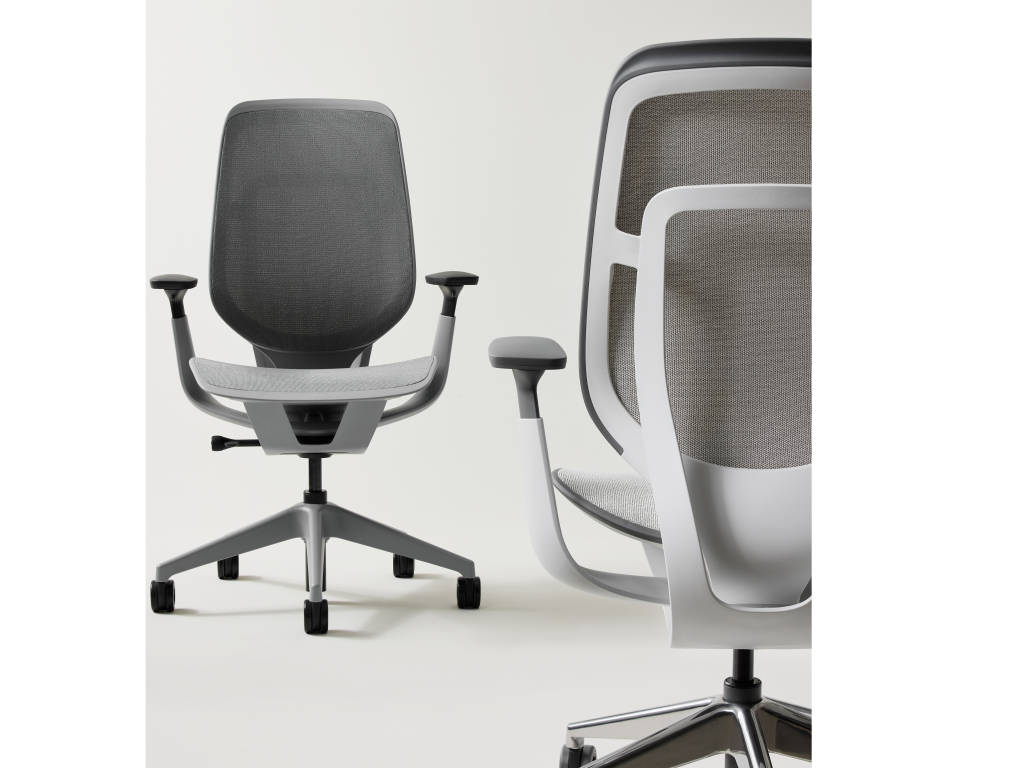
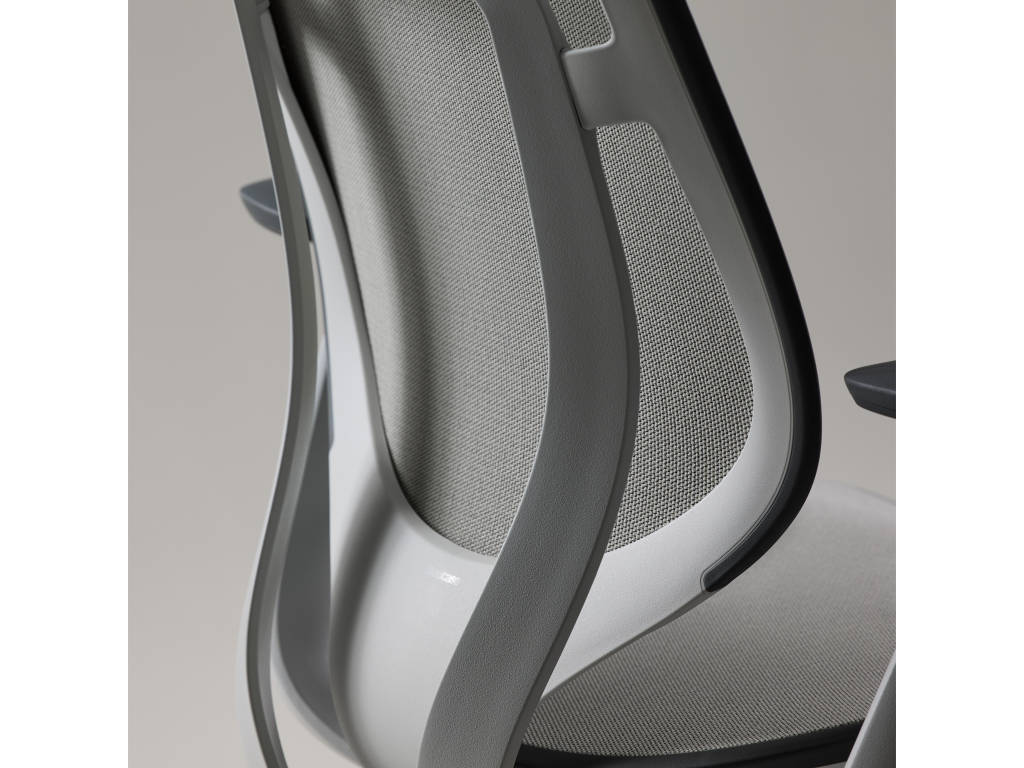
Steelcase Karman™ represents a shift in high-performance ergonomic seating. Rather than relying on visible complexity, it uses sustainable engineering to create a seating experience that feels intuitive, responsive, and remarkably effortless.
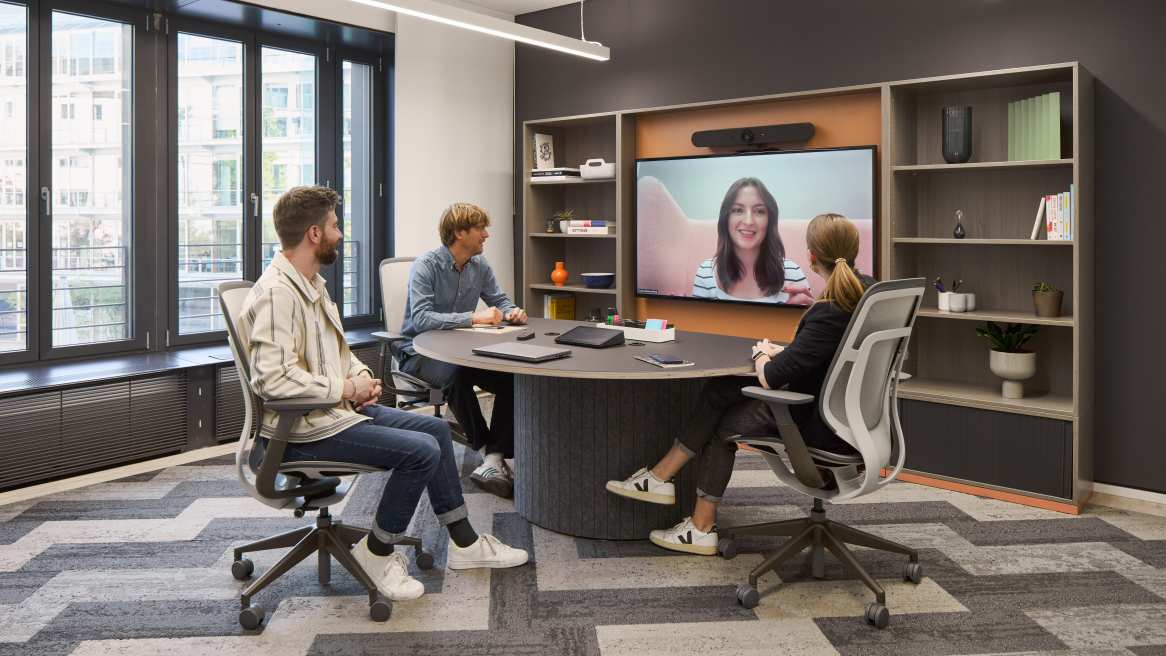
This makes Steelcase Karman™ especially valuable in today’s hybrid workplaces, delivering ergonomic support with minimal effort and a more consistent user experience across shared spaces.
Designing efficiency into every layer
Beyond performance, Karman’s simplified design reflects a commitment to sustainability and responsible material use. Steelcase Karman™ contains more than 20% recycled content, is highly recyclable, and is designed to support measurable carbon reduction throughout its lifecycle. The result is a lower environmental impact without compromising comfort, performance, or design.
At just 13 kg, Steelcase Karman™ is one of the lightest high-performance task chairs in its category. Yet its significance extends beyond weight alone.
The chair’s lighter footprint is the result of deliberate engineering choices that remove unnecessary material while preserving durability, comfort, and performance.
This philosophy of material efficiency creates benefits across the entire product lifecycle. Fewer components simplify manufacturing processes, reduce resource consumption, and improve end-of-life recyclability. A lighter product also requires less energy to transport and move through supply chains.
The efficiencies result from designing every component to work harder and more intelligently. In many ways, Steelcase Karman™ demonstrates a broader shift taking place across industrial design. Sustainability is no longer being addressed through add-on initiatives. It is increasingly being designed into the product itself.
Responsive ergonomics, simplified
One of the persistent challenges in workplace ergonomics is that many adjustment features go unused.
In shared and hybrid environments, chairs are frequently inherited from previous users, leaving individuals to spend time readjusting settings or working with configurations that are not suited to them.
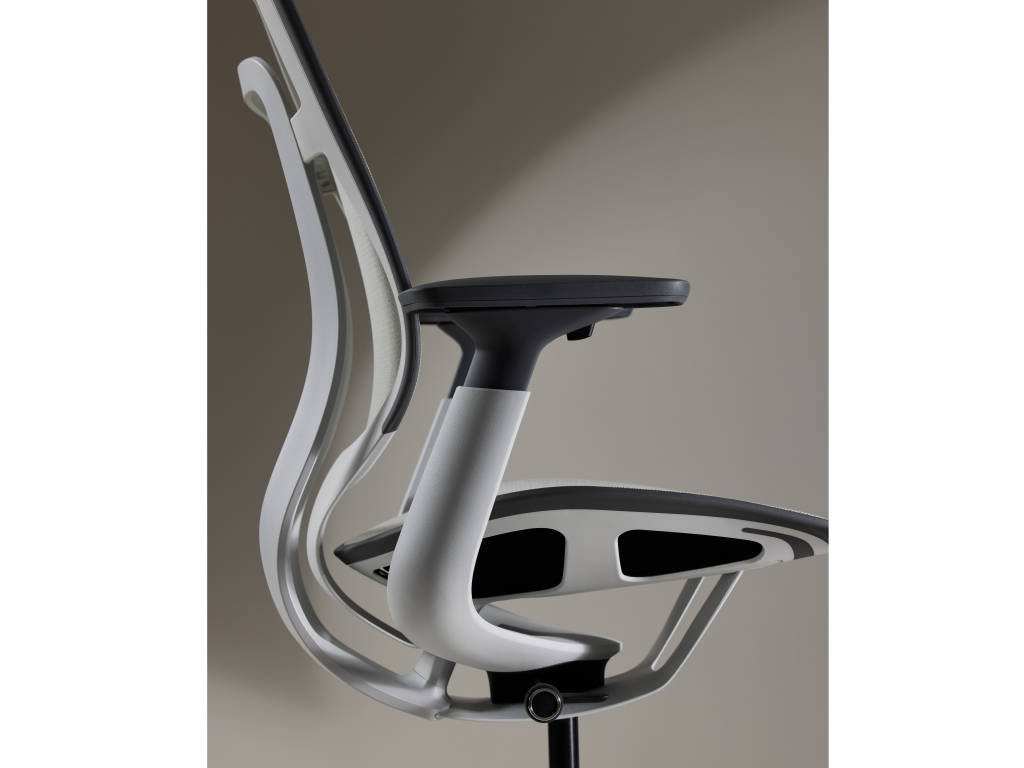
Steelcase Karman™ addresses this challenge through a weight-activated mechanism that automatically responds to the user. Rather than requiring extensive manual setup, the chair adapts to different body types and sitting styles with minimal intervention.
For organizations, this creates a more consistent user experience across shared and hybrid work environments. For employees, it reduces friction and allows attention to remain on the work itself.
The result is support that feels almost invisible, working quietly in the background as people focus on their work.
By challenging the assumption that ergonomic performance requires greater complexity, Steelcase Karman™ offers a different vision for workplace design: one where engineering works harder so people don’t have to, delivering less material, less effort, and less complexity, while providing more support where it matters.
A more intelligent form of sustainability
The conversation around sustainable design often focuses on what is added: recycled content, certifications, or offsetting initiatives.
Equally important is what can be eliminated.
When sustainable office furniture achieves the same or better outcomes with fewer materials, fewer components, and less operational complexity, sustainability becomes inseparable from performance.
Steelcase Karman™ reflects this principle. It demonstrates that responsible design is not about asking users to accept trade-offs. It is about finding smarter ways to deliver the outcomes people need.
By doing less visibly, Steelcase Karman™ does more meaningfully, setting a new benchmark where design integrity, ergonomic performance, and material efficiency meets.