
Charge Forward: 5 Workplace Shifts for the Year of the Fire Horse
Steelcase research shows 96% of leaders plan to update their workplaces in the next two years, and the Year of the Fire Horse may be exactly the moment to act.
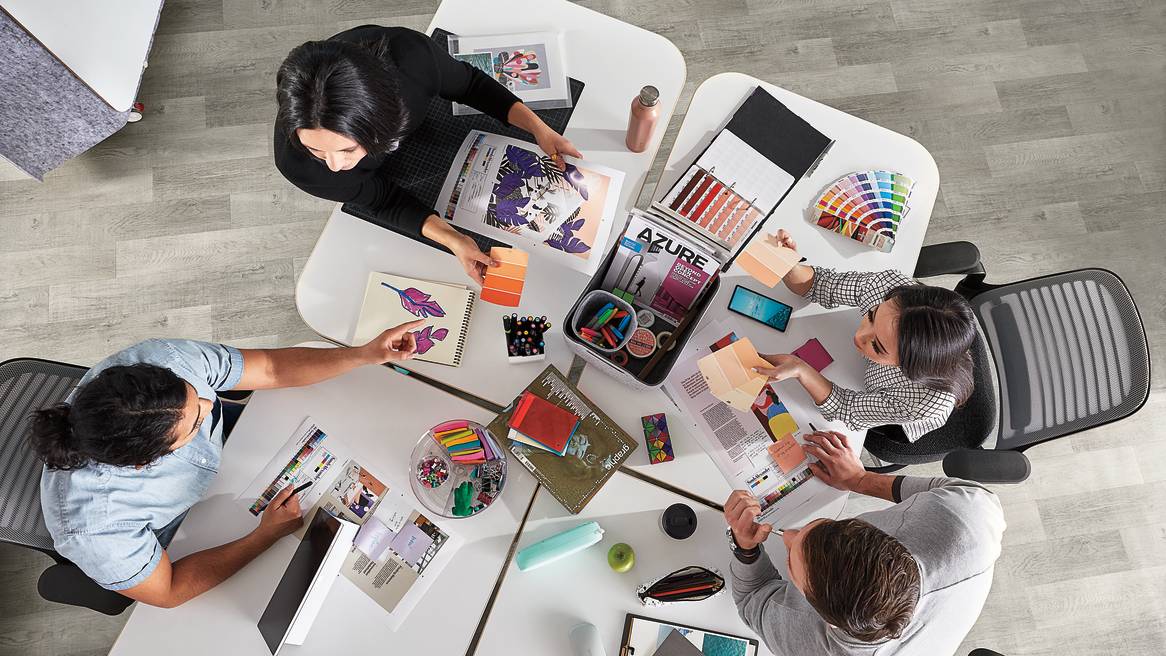
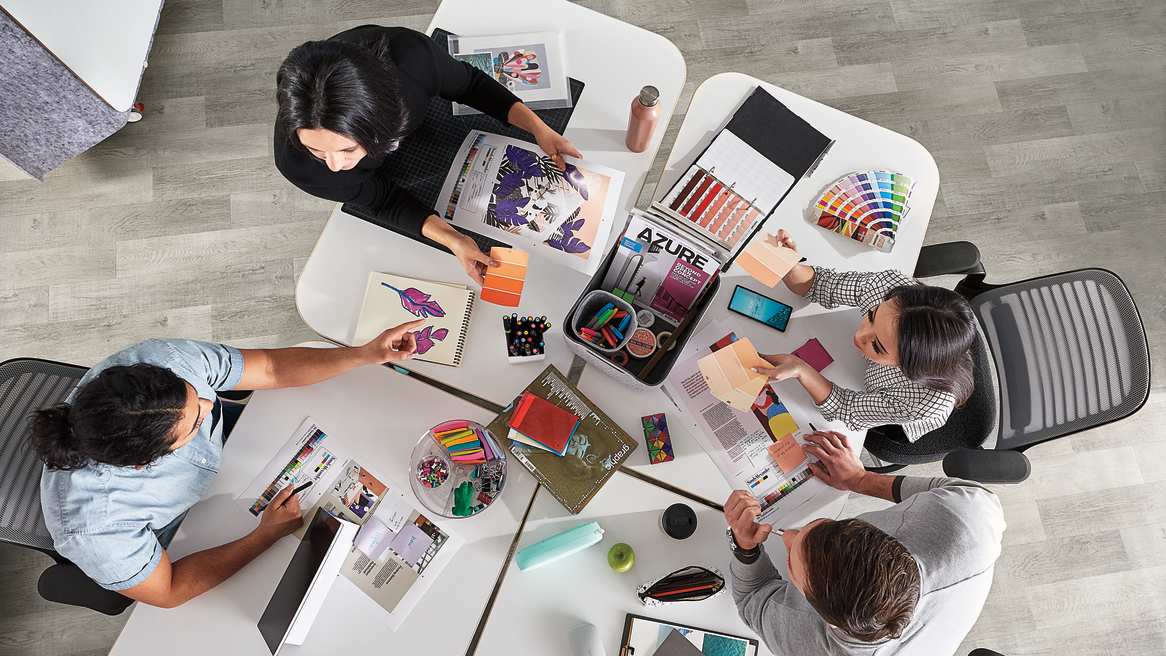
The Fire Horse does not ease into a year. It charges. Bold, passionate, and built for forward motion, it carries an energy that demands action over hesitation. As red lanterns glow across Asia and teams return from festive reunions, that same momentum is felt in boardrooms across the region. Leaders who understand that the office is a strategic advantage are not waiting. They are reshaping their spaces into something more intentional, more human, more flexible, and more connected to what people actually need from the workplace.
Drawing on insights from nearly 500 US-based business decision-makers, Steelcase’s research identifies five major shifts redefining the workplace, closely mirroring the values celebrated this festive season: connection, belonging, adaptability and wellbeing.
1. Stability brings confidence.
The Fire Horse trait: Clarity that creates confidence to act
After years of shifting mandates and unpredictable attendance, this volatility has settled. Steelcase research shows approximately 70% of employees are expected to be in the office at least three days a week, a figure that has held consistent for two years running. Nearly half (46%) of employees are expected to be in five days a week.
That consistency matters. When patterns hold, leaders are more willing to invest in their spaces. And in a year defined by forward momentum, our research suggests many organizations are ready to do just that.
Steelcase insight: Stable work patterns give organizations the confidence to make informed, long-term decisions about workplace design, collaboration, and culture.
2. Flexibility is the strategy
The Fire Horse trait: Bold, direct energy that moves forward without hesitation
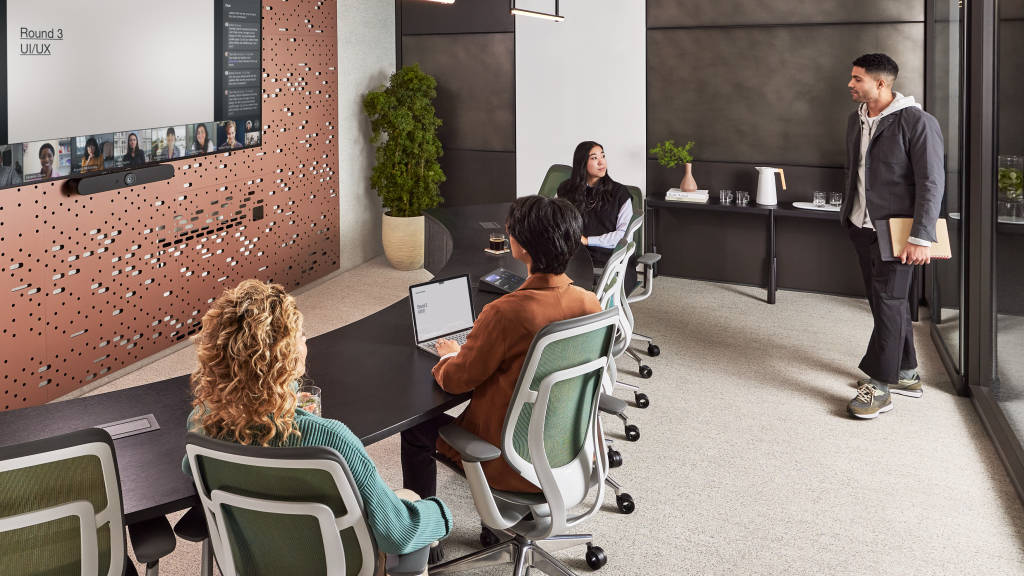
An overwhelming 96% of leaders said they plan to update their workspace in the next two years. The figure reflects years of pandemic-era pausing, followed by a collective decision to act. The urgency is not about catching up but about preparing ahead.
Steelcase research also shows that most companies are already planning to redesign their offices to accommodate artificial intelligence (AI) and the new working patterns it brings. As AI takes on more routine tasks, the office becomes the space for people to ideate, challenge, connect, and build trust. At Steelcase, this is not a future scenario. It is already shaping the way we design.
Steelcase insight: Flexibility is the strategy. Organizations that invest in adaptable spaces today are building for a future that AI is already shaping.
3. The flight to quality is more than just aesthetics
The Fire Horse trait: Commanding presence that others are drawn towards
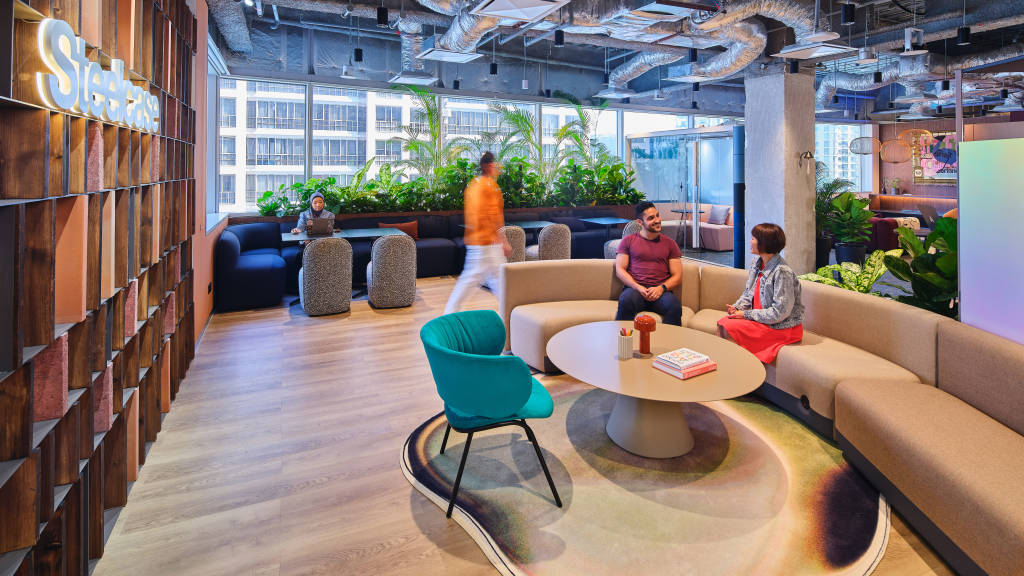
70% of organizations already have or plan to move to higher-tier office properties to elevate the employee experience. Steelcase research shows how people are willing to come into the physical office for what remote work cannot replicate. Spontaneous conversation. Shared energy. The kind of informal knowledge transfer that happens in the corridor, not the calendar.
In Asia Pacific, where the workplace carries deep social significance and reflects what an organization stands for, an inspiring office signals care, ambition, and long-term investment in people. The flight to quality is a commitment to giving people a reason to show up.
Steelcase insight:Great spaces do more than impress. They tell people they matter. Organizations that invest in environments worth showing up to will find that the right people do exactly that.
4. The desk is no longer a fixed point
The Fire Horse trait: Free to move, with an aversion to being confined
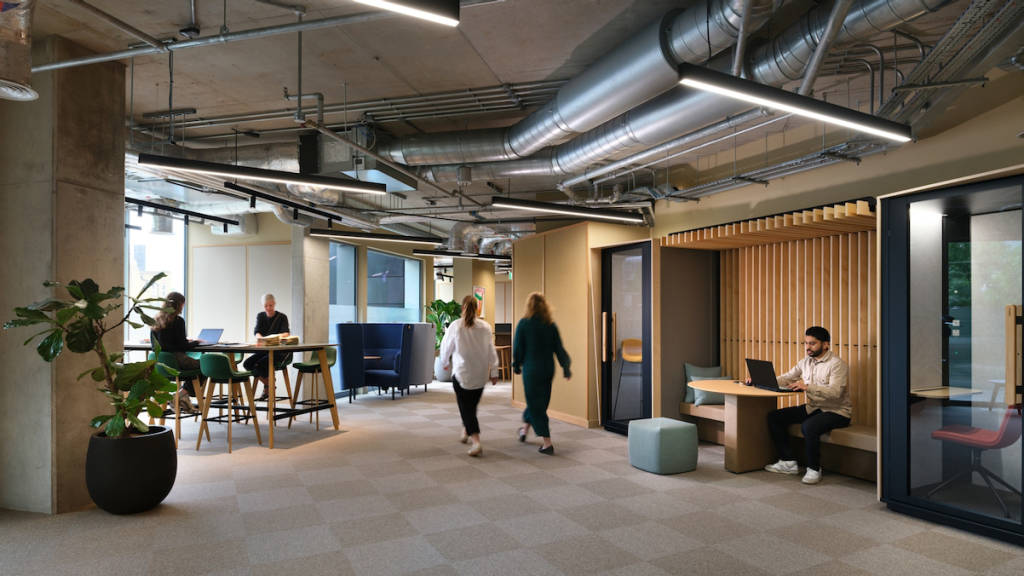
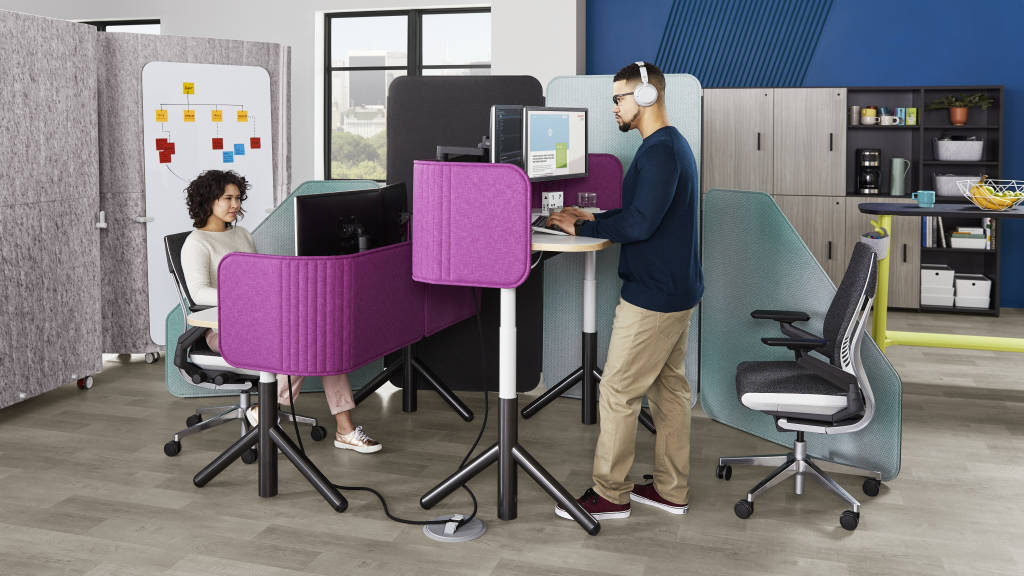
Steelcase research indicates that most organizations are now planning for 2:1 or higher workstation-sharing ratios. The driver is not cost reduction but a genuine rethinking of what a desk is for. When people move through an office according to their work mode, be it a quiet space for focus, an open area for collaboration, a lounge setting for informal connection, the fixed desk becomes a constraint rather than a resource.
The modern office is designed for flexibility, connection, and flow. Much like the Fire Horse, it thrives on movement and resists being held in place.
Steelcase insight: Organizations that embrace dynamic desking environments are more flexible, more equitable, and better aligned to the reality of how work actually happens today.
5. Human-centered design is the enduring advantage
The Fire Horse trait: Passionate, purposeful, and community minded
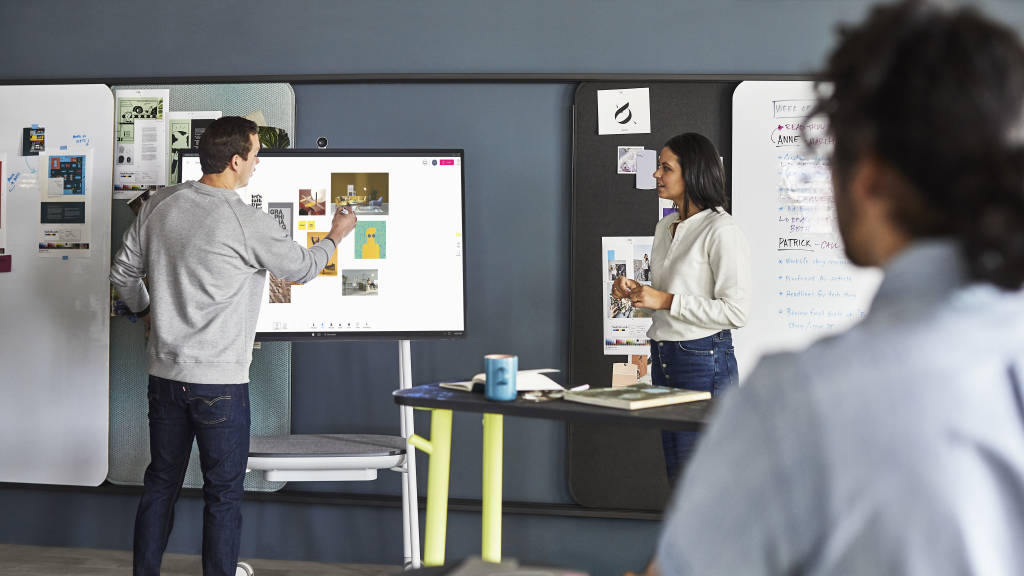
Steelcase research consistently shows that the most future-ready workplace decisions are those made with both people and the long-term in mind. Inclusive design and environmental sustainability rank among the highest priorities for leaders planning their spaces.
A flexible, adaptable office is more sustainable with fewer fixed resources, lower material intensity, and longer useful life. It is also more inclusive by design, and able to accommodate a wider range of working styles, physical needs, and cultural expectations.
Steelcase’s approach to workplace planning, Community-Based Design, draws on urban planning principles to create workplaces with distinct districts for collaboration, focus, learning, and rejuvenation. The goal is an environment that feels less like an assigned seat and more like a community people want to belong to.
Steelcase insight: Organizations that design with people and the long-term in mind will build workplaces that support productivity, wellbeing and belonging for years to come.