
From “Check-in Spot” to “Inspiration Hub”: How The Workplace can Fuel Productivity, Innovation and Performance
Today’s workplaces are full of activity, connection and possibility. They bring people together in ways no virtual environment can fully replicate. Yet even as offices remain central to how we work, a fundamental question persists: what is the workplace’s true purpose?
The morning rush fills the elevators. Conference calls echo across open spaces. Meeting rooms are constantly in demand. And beneath it all lies a quiet but persistent fatigue, which many now recognize as “office burnout”.
At the same time, as AI takes on an increasing share of routine work, the purpose of the office is being fundamentally redefined. It’s no longer just a place of attendance, but where culture comes to life, ideas are exchanged, and new forms of productivity begin to emerge.
Space shapes behavior. Behavior over time becomes culture. The question is no longer whether the office still matters, it is how it must evolve to remain relevant.
The Workplace as a Brand: Designing for Energy and Engagement
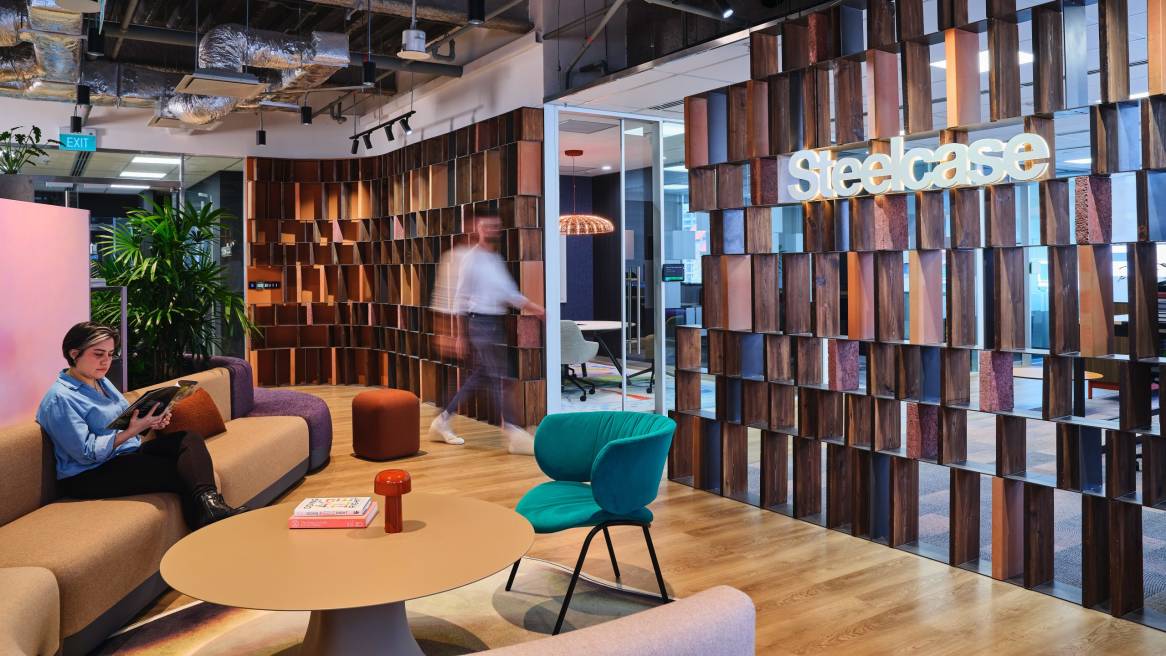
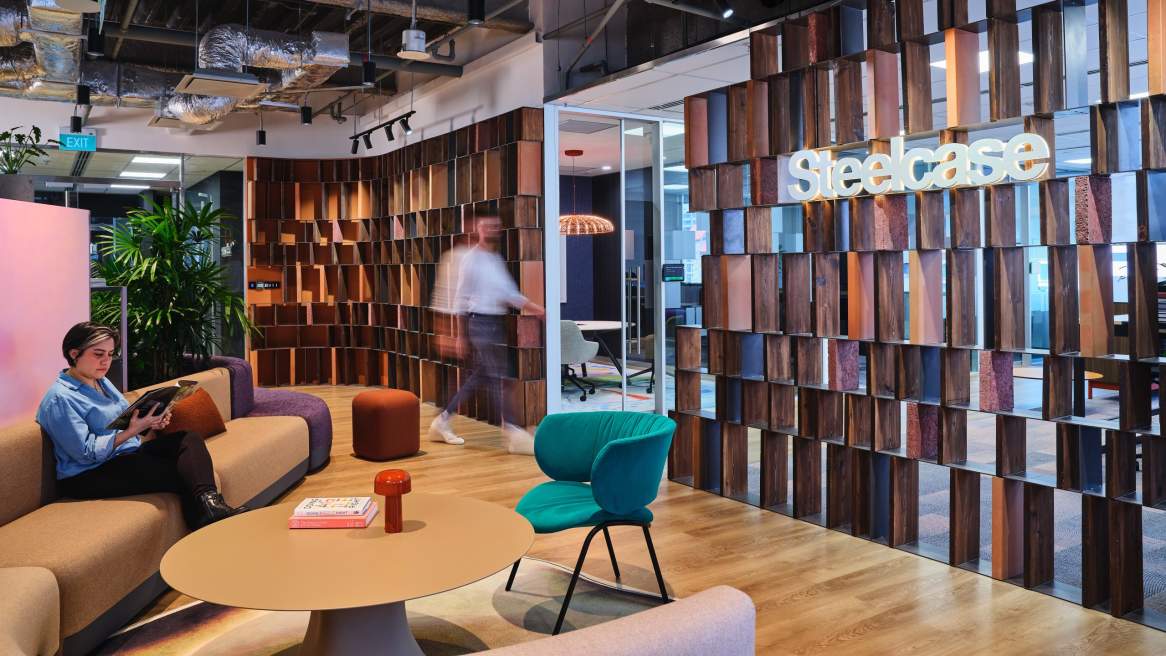
The workplace has become the most prominent expression of an organization’s values and culture. In today’s leading work environments, the experience is far from conventional expectations. Natural light, integrated biophilia, and curated design-forward art installations replace dense, repetitive workstations, creating spaces that feel more like galleries than offices. The atmosphere is intentional, designed not for occupation but for engagement.
As both daily experience for employees and first impression for visitors, the workplace acts as a company’s first handshake. Increasingly, more companies recognize that their people are their greatest asset and that protecting their creativity, focus and wellbeing is essential to long-term success.
Effective work environments address three essential needs:
1. Enabling people to do their best work
2. Creating a place people choose to be in
3. Supporting sustained focus and mental clarity
From spatial flows inspired by the Huangpu River to a nuanced understanding of what teams really need today, the office becomes more than infrastructure. It becomes a physical embodiment of brand and culture.
The Workplace as a Community: Designing for Belonging and Autonomy
The traditional notions of belonging in the workplace are shifting. Belonging is no longer defined by ownership of a fixed desk, but by a sense of control over how and where work happens.
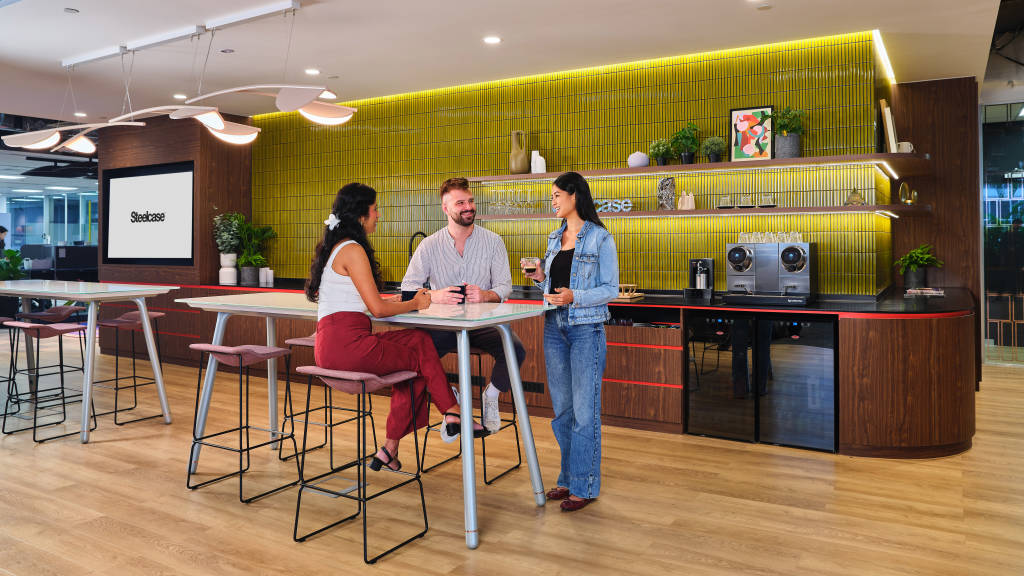
The Community-Based Design model reflects this change. Like a well-designed city, the workplace is organized into distinct yet interconnected zones: collaboration, rejuvenation, focus, social. Individuals move between these environments as their work demands. This flexibility enables choice and with it, autonomy.
Even subtle design decisions influence behavior. Rectangular tables can reinforce hierarchy and opposition, while round tables encourage shared perspectives and collective problem-solving. These shifts, though small, signal a broader transition from control to trust.
The result is a workplace where people are not anchored to a single spot, but supported by a system of spaces designed to meet diverse needs.
The Workplace as a Catalyst: Designing for Focus and Innovation
Innovation is inherently human, and it depends on the ability to think deeply. Yet in many workplaces, distraction remains one of the greatest barriers to performance.
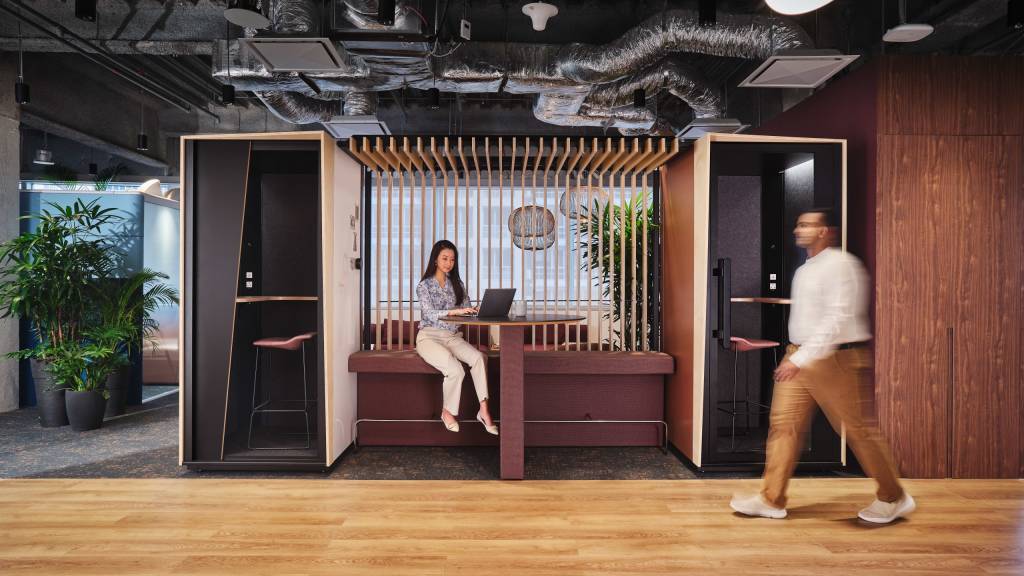
At Steelcase, we believe in taking holistic design strategies that move beyond visibility, interaction and actively support focus:
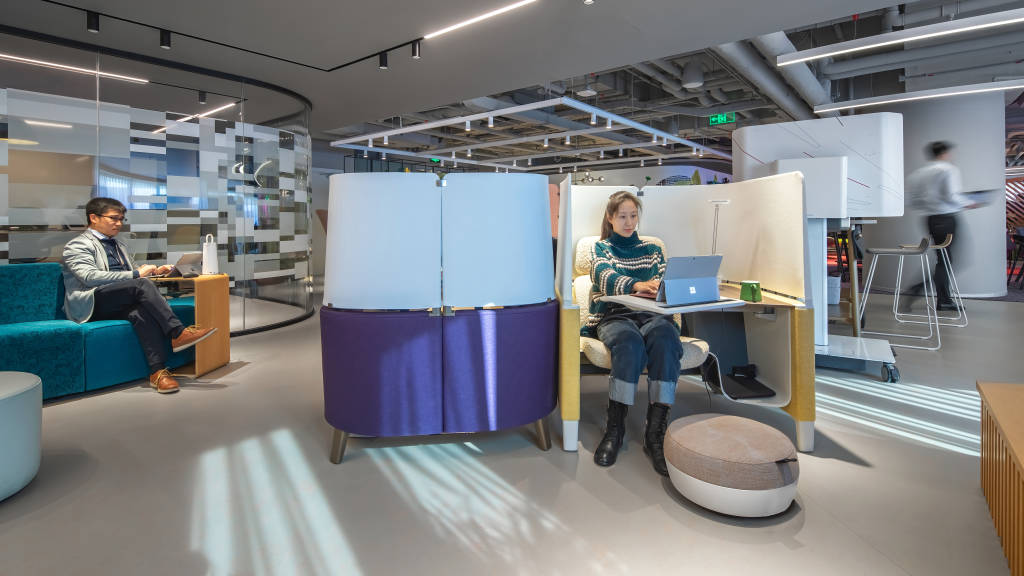
- Acoustic performance: Materials such as felt, carpeting and upholstery can absorb sound and reduce noise, while creating a more cognitively comfortable environment.
- Visual privacy: High shelving, plants, and desktop screens block sightlines and limit exposure, while supporting concentration and focus.
- Integrated technology: Meeting spaces that protect visual information while maintaining openness reinforce both privacy and trust. Solutions like Casper Clocking Technology act as a visual shield, ensuring data privacy while providing peace of mind to collaborate freely in any working environment.
When people are able to enter and sustain a state of flow, the workplace transitions from a neutral setting into a catalyst for innovation.
The Workplace as A Flexible Environment: Designing for Growth
For fast-growing companies, the challenge is creating a space that can adapt. Traditional office environments, designed for static needs, struggle to keep pace with growth and change.
Modular design offers a more resilient alternative. Flexible furniture systems, reconfigurable partitions, and adaptable layouts allow organizations to evolve their environment with minimal disruption and cost.
Beyond cost efficiency, this flexibility delivers long-term value. A workplace that can adapt to shifting business needs becomes an asset, not a constraint.
The Workplace as a Shared Experience: Designing for Meaningful Connection
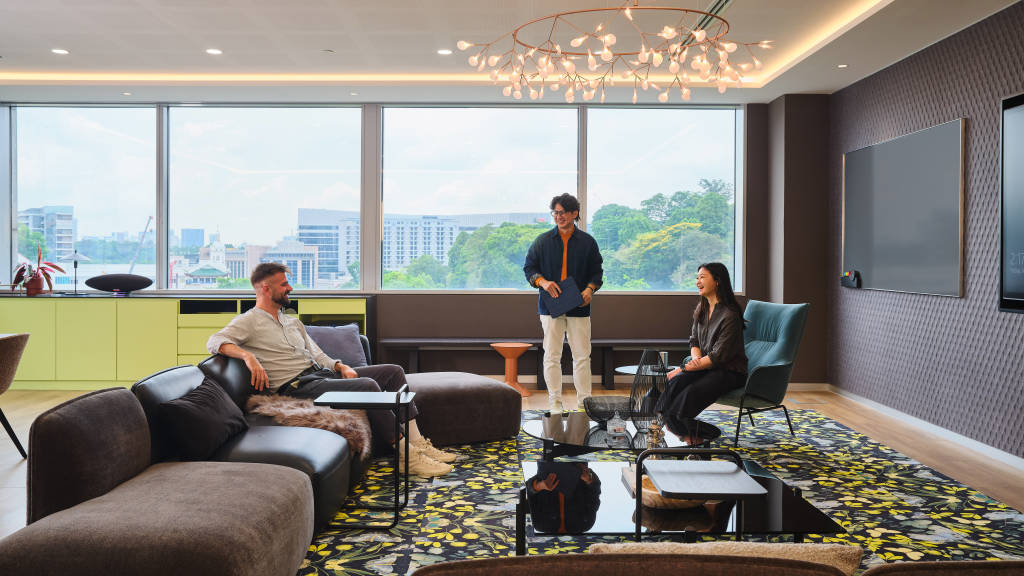
Traditional offices were designed around oversight and control. Spaces were fixed, uniform and often out of sync with how people actually work, completely ignoring employee autonomy of choosing the preferred spaces for the task at hand. Today, that model is being replaced.
The next generation of workplace design operates on three principles:
1. From searching for space to intuitive movement: Different zones support different modes of work, enabling seamless transitions throughout the day.
2. From monitoring output to enabling performance: The focus shifts from supervision to supporting focus, creativity and wellbeing.
3. From standardization to human-centered experience: Every design decision responds to a real human need.
At heart of this shift lies a simple truth: space shapes behavior, behavior becomes habit, and habit over time becomes culture. When people feel a sense of control, connection, and support in their workplace, innovation thrives naturally.
Local Roots, Global Reach
As organizations expand globally, the workplace plays a critical role in maintaining consistent brand experience, while responding to local context. Achieving this balance requires both a strong design language and deep regional understanding, allowing for replication and adaption.
In China, this approach is further reinforced by a shift in manufacturing strategy, from scale-driven production, to customization, research and platform-based solutions. This enables faster response to local needs while creating innovations that can extend beyond the region.
Redefining The Purpose of The Workplace
As AI transforms how work gets done, the value of the workplace is no longer tied to presence, but to what it enables. Creativity, empathy and collaboration are capabilities that cannot be automated and are becoming the defining drivers of performance. The workplace is a place no longer for oversight, but a space for inspiration.
From first impression that express organization intent, to environments that foster connection, community and collaboration, to flexible designs that adapt over time, the modern workplace is no longer a backdrop to work, but an active destination of choice that retains and attracts talent. When people feel a sense of control, belonging and support, they are empowered to think more deeply, create more freely and innovate with purpose.
Investing in the workplace is more than just the design. It is an investment in conditions that enable productivity, growth and human connection to thrive.