
Creating an Inclusive, Future-Ready Workplace
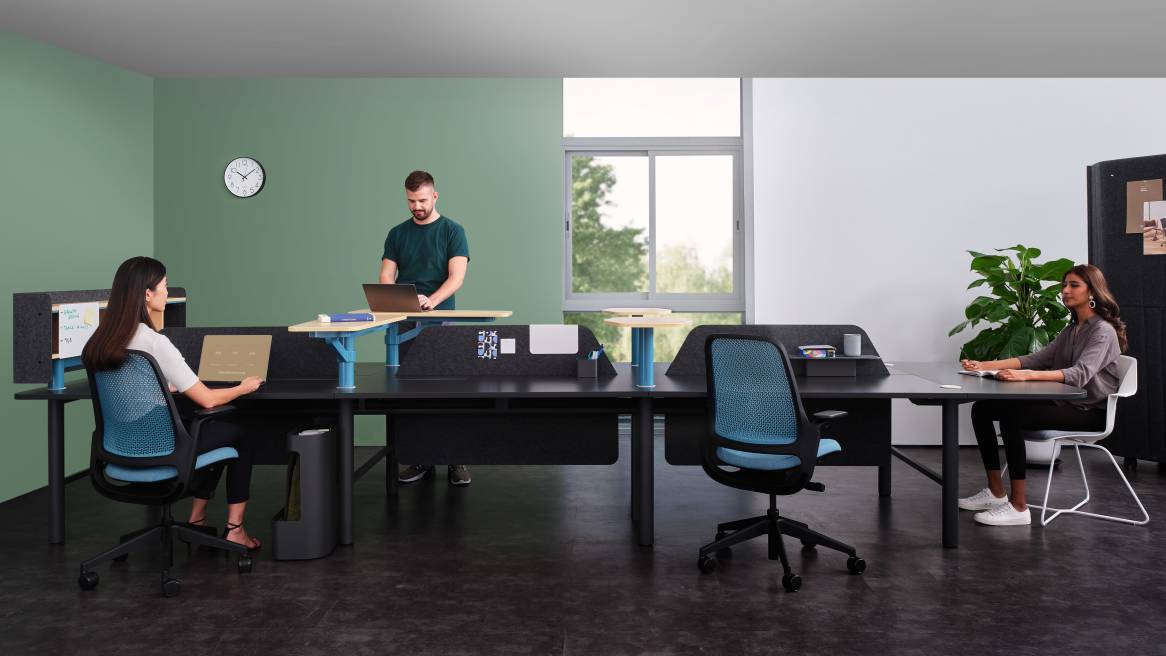
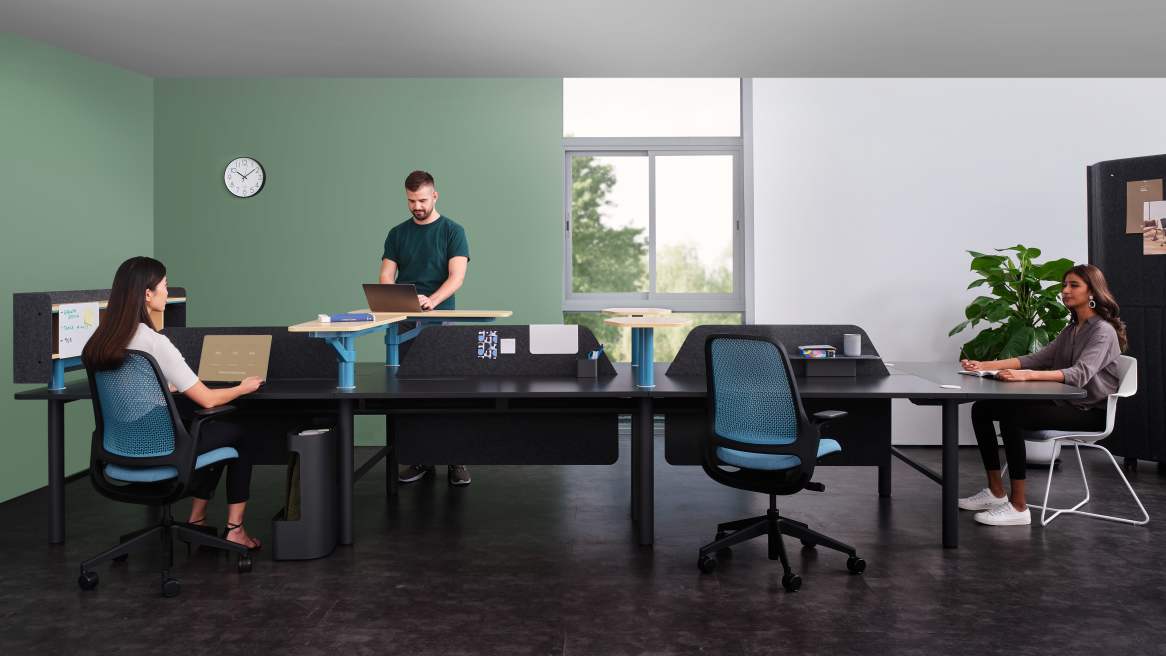
Workplaces today must do more than bring people together. They build a sense of belonging and help employees perform at their best. True inclusion means designing with people, not just for them, creating spaces that welcome diversity in ability, age, culture, cognition and workstyle.
When workplaces are designed with inclusion in mind, they become resilient ecosystems that adapt as people and organizations evolve.
Steelcase research shows that less than half of organizations feel they have a clear, shared understanding of what inclusion means. Yet, those that embrace inclusive design see measurable benefits: 80% report higher employee satisfaction, 65% see more innovation, and 53% experience stronger productivity.
Future-ready spaces build on that foundation. They evolve with changing work patterns, support hybrid collaboration, and empower people with choice and control. Inclusive by design, adaptable by nature; that’s how the workplace can stay relevant.
Design That Adapts as Work Evolves
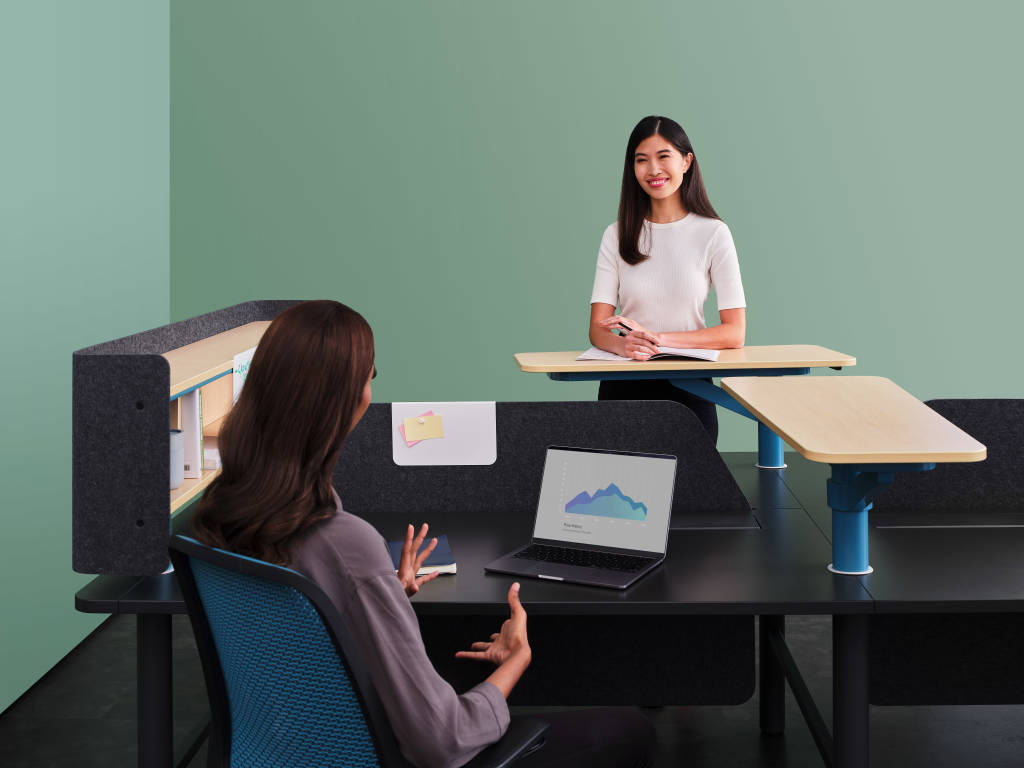
Every person works differently. Some need quiet focus, others thrive in open collaboration. That’s where LexCo Alexis comes in. It’s a workstation designed to flex with changing needs, adapting to diverse workstyles and evolving team dynamics.
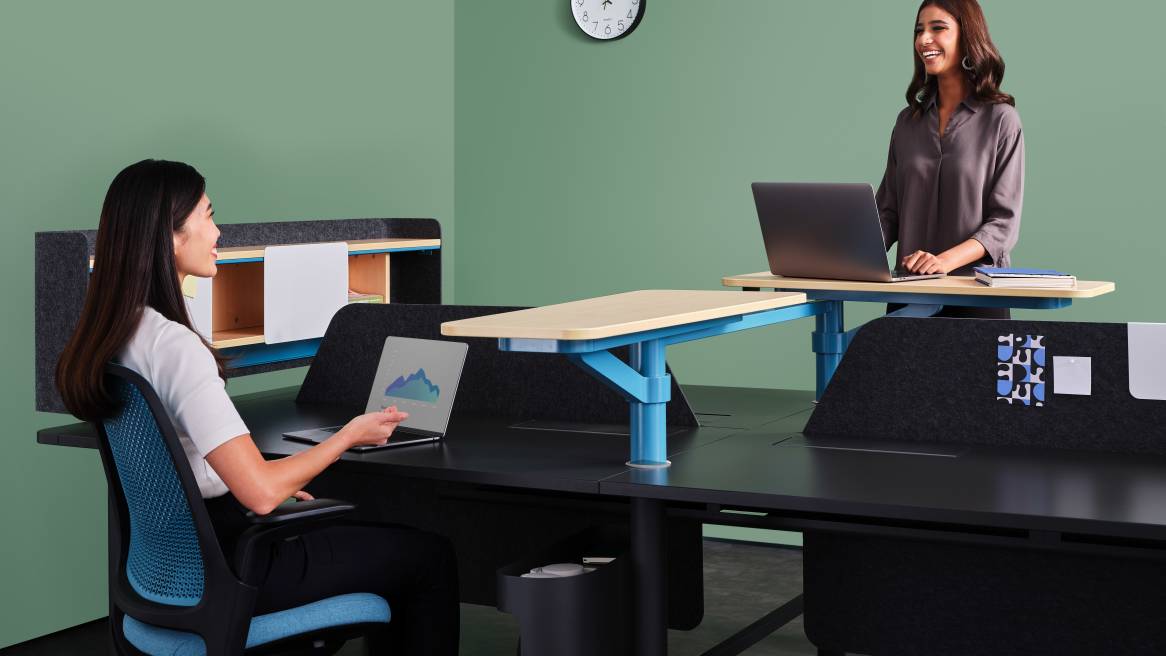
It supports the full spectrum of work through varied heights, pivot extensions, modular screens, and flexible storage – giving people more choice and control over how they work.
This adaptability matters more than ever. Steelcase research reveals that 56% of meetings now include remote participants, while 69% of managers say they lack the privacy to focus. Meanwhile, 41% of workers globally are dissatisfied with their home-office setups due to poor ergonomics and distractions.
These realities highlight the need for workplaces that dynamically balance focus, connection, and wellbeing, all at once.
LexCo Alexis makes that possible.
Designing Spaces That Welcome Everyone
Inclusive design is about giving people choice and control, whether to collaborate or concentrate. By creating a mix of zones and offering adaptable tools, organizations can build workplaces that encourage team collaboration from everyone while remaining agile for the future.
Adaptable systems like LexCo Alexis enable inclusivity through thoughtful flexibility:
Inclusion in action: Yuzhixing
This approach is already coming to life at Yuzhixing, an agriculture company that reimagined its headquarters with Steelcase to support its young, dynamic workforce. With an average age of just 23, the team needed a space as energetic and adaptable as they are.
By bringing in LexCo Alexis, Yuzhixing created zones that shift seamlessly between focus and collaboration. Privacy screens, writable surfaces, and modular extensions give employees the freedom to shape their surroundings in real time.
“Now we’re not stuck in traditional meetings. We can stand, sit, write on the whiteboard or have a casual brainstorm. It makes a huge difference in how we think and work,” says Research & Development Employee, Yuzhixing.
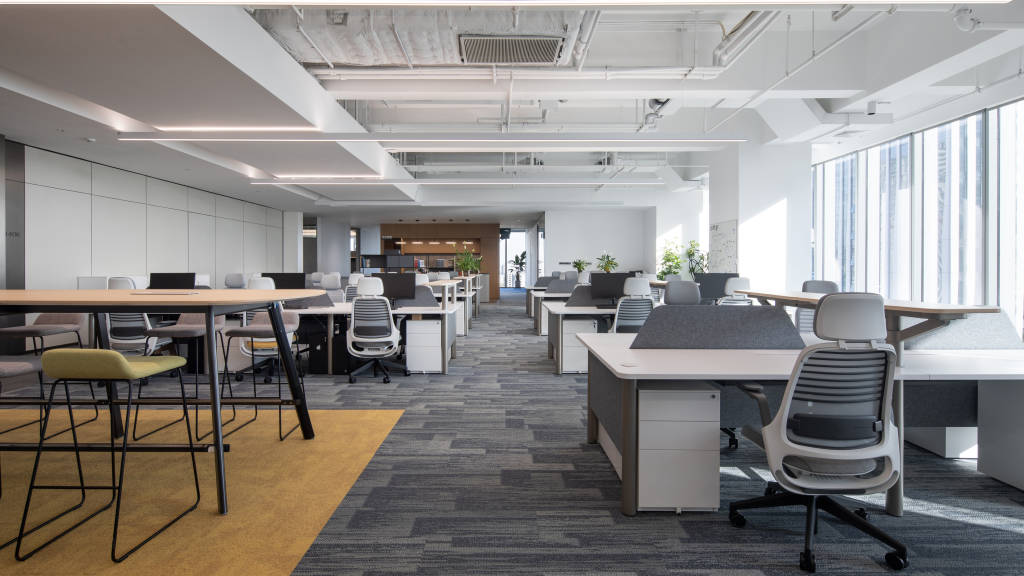
The result is a workplace that redefines what modern agriculture can look like – inclusive by design, adaptive by nature, and ready for the future.
Discover how LexCo Alexis can help your workplace scale without compromise.
Frequent Asked Questions
Question 1: How can workplaces support different people and workstyles?
By offering choice and control. Tables that provide varied heights, pivot extensions, and modular screens so individuals can sit, stand, focus, or collaborate comfortably.
Question 2: How can offices stay adaptable as teams evolve?
Having furniture that is modular by design and that can be reconfigured easily as needs change enables spaces to adapt, shifting from individual work to team collaboration without extra space or cost.
Question 3: How can organizations design for wellbeing and performance?
Comfort drives performance. With acoustic screens, flexible layouts, and ergonomic options, LexCo Alexis supports focus, connection, and overall wellbeing.